Recycling Programs That Cut Waste Bills
Most restaurant recycling fails because it's complicated. Simple systems that staff actually use can cut waste bills by 30% or more. Start with what you're already throwing away.
The Recycling Bin That Costs You Money
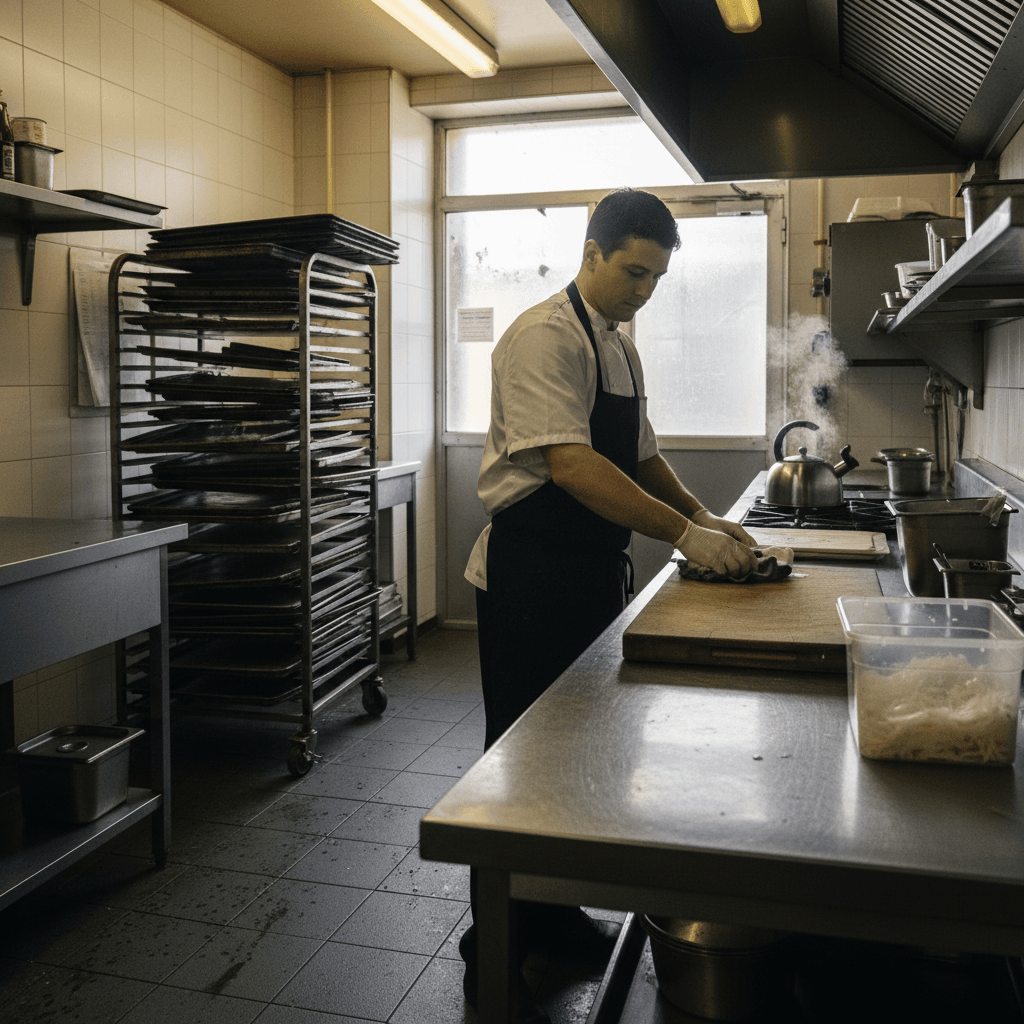
It's 9:45 PM on a Friday. The last table just paid. Your bartender is elbow-deep in sudsy water, your line cooks are scrubbing flat tops, and the dishwasher is already breaking down the pit. That blue recycling bin by the back door is overflowing with cardboard, but it's also got three half-eaten burgers, a pile of napkins, and a greasy pizza box on top. The waste company will charge you a contamination fee for that entire load. Your good intentions just added $75 to next month's bill. Recycling Programs That Cut Waste Bills fail when they become an extra chore instead of a built-in part of the work that's already happening.
This isn't about saving the planet first. It's about stopping the bleed of cash you're literally throwing away. The real cost is hidden: extra dumpster pickups because your bins fill up faster, those contamination fees that show up as a line item on your waste invoice, and the food packaging you paid for once when you bought it and again when you pay to have it hauled to a landfill. For a complete system that turns sustainability from a cost into a profit center, see our guide on Sustainable Practices That Actually Save Money.
Start With What You're Already Throwing Away
Forget designing the perfect program on paper. Start with what's in your dumpster right now.
For one week, don't change a thing. Just look. Have your closing manager or a trusted prep cook take five minutes at the end of the night to note what's on top of the trash. You'll see patterns emerge by the third day. Cardboard boxes from your Tuesday produce delivery. Glass wine bottles piling up after Saturday service. Clear plastic quart containers from yesterday's soup prep. Most restaurants discover that 3 to 5 specific items make up 80% of their recyclable waste.
The Rule: You cannot manage what you do not measure. Start by measuring your trash.
This isn't a corporate audit. It's a practical observation. If you see six empty olive oil tins every Thursday, that's your target. If you see a mountain of plastic wrap from breaking down fish every morning, that's your target. You're looking for the heavy hitters - the items that take up space in your dumpster and cost you money to remove. Focus there first.
When Good Intentions Create More Work
You've identified the big items. You buy beautiful new bins with perfect labels. You hold a pre-shift meeting and train everyone. For two weeks, it works. Then reality hits.
It's a slammed Friday night with two call-outs. The private party in the back room is running an hour late. The dish pit is backed up, and the only goal is to get out before 1 AM. In that chaos, every bin becomes a trash bin. Cardboard, glass, plastic, food scraps - it all gets shoved into one container just to clear the floor. The system collapses because it was built for calm Tuesday afternoons, not for the storm of a real restaurant weekend.
The failure isn't your staff's lack of care. It's the system's lack of resilience. A recycling process that adds steps during peak chaos will always fail. You must build sorting into moments of relative calm, into tasks that are already non-negotiable parts of the job.
Making Recycling Part of the Closing Checklist
The solution is attachment, not addition.
Don't create new tasks. Attach sorting to existing routines that already work reliably. Integrate it into the closing checklist where it creates the least friction.
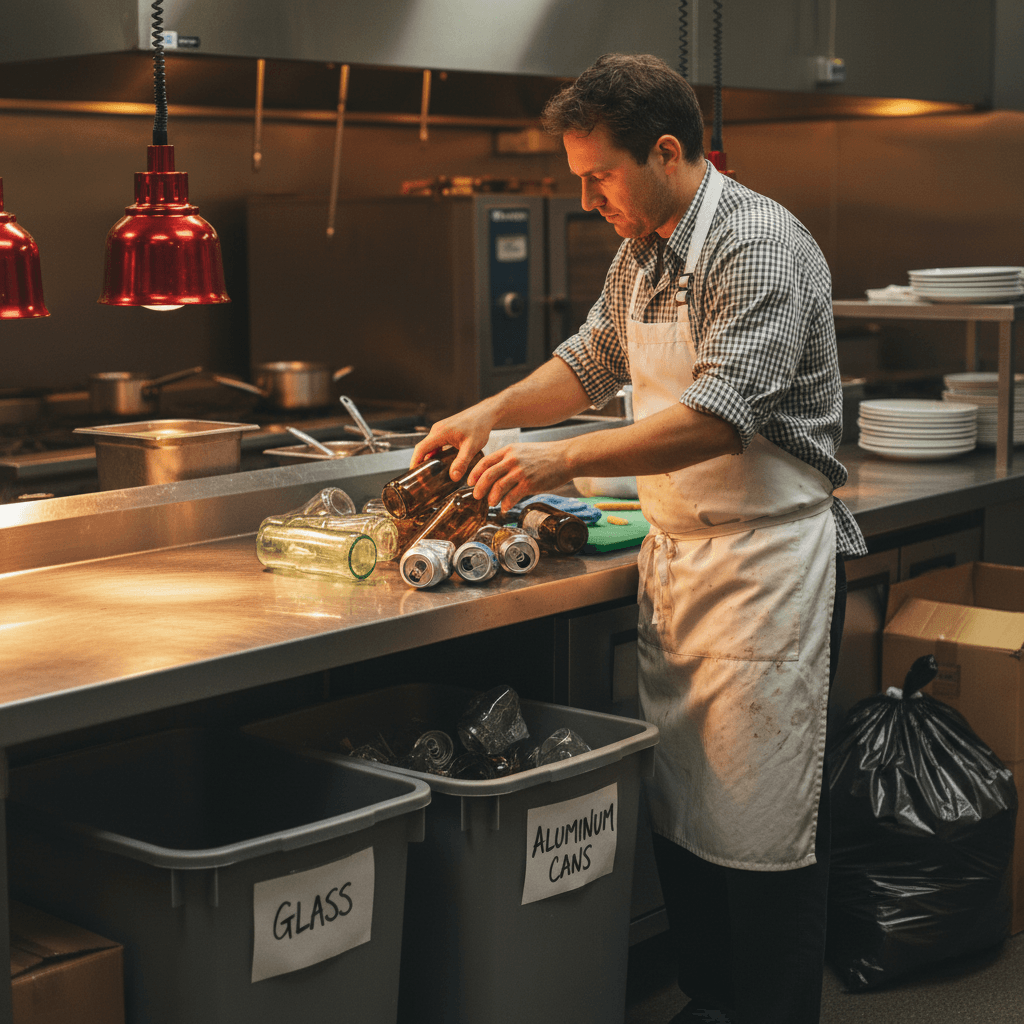
When bartenders are cleaning their stations at night, they're already rinsing glassware and dumping ice. That's the moment to rinse empty wine and liquor bottles and place them in the bin right next to the sink. The task takes 30 extra seconds because they're already at the sink with wet hands.
During receiving in the morning, boxes are already being opened and broken down to go to storage or the walk-in. Place a cardboard-only bin right in the receiving area. The breakdown happens as part of unpacking, not as an extra trip later.
In the dish pit at closing, someone is already breaking down racks and sorting utensils. Add a small bus tub for clean plastic quart containers and deli lids right on their workstation. As they clear plates, they can toss those specific items into the tub without moving their feet.
Measure success by dumpster reduction, not perfect sorting.
Track your waste hauling invoices. If you go from three pickups a week to two, that's real money saved immediately. If your contamination fees drop by 50%, that's progress you can bank next month. Celebrate those wins with your team - show them the lower bill.
Build on what works instead of chasing perfection. When the glass bottle system is solid for two months, then look at adding aluminum cans from the service station. Small, stable victories create a habit that lasts through the next Friday night rush.
This manual approach requires vigilance and discipline from management. It means consistently checking those integrated points during shift walks and reinforcing the habit in pre-shift meetings.
Modern digital tools can help lock in these gains by tracking waste metrics automatically and providing clear data on what's being thrown away versus recycled, turning manual observation into sustained system performance.
Taking the Next Step
Shifting your recycling from a cost center to a cost-cutter is about practical systems, not idealism. The logic is clear: identify your major waste items, build sorting into existing reliable routines, and measure success through reduced hauling fees.
To see how digital tools can automate tracking and turn this manual process into a permanent profit lever for your operation, view our pricing or start a free trial to test it during your next inventory cycle