Local Ingredients That Actually Save Money
Stop overpaying for inconsistent produce. Local sourcing cuts food costs by 15-30% when you build the right supplier relationships.
Why Your Food Costs Are Higher Than They Should Be
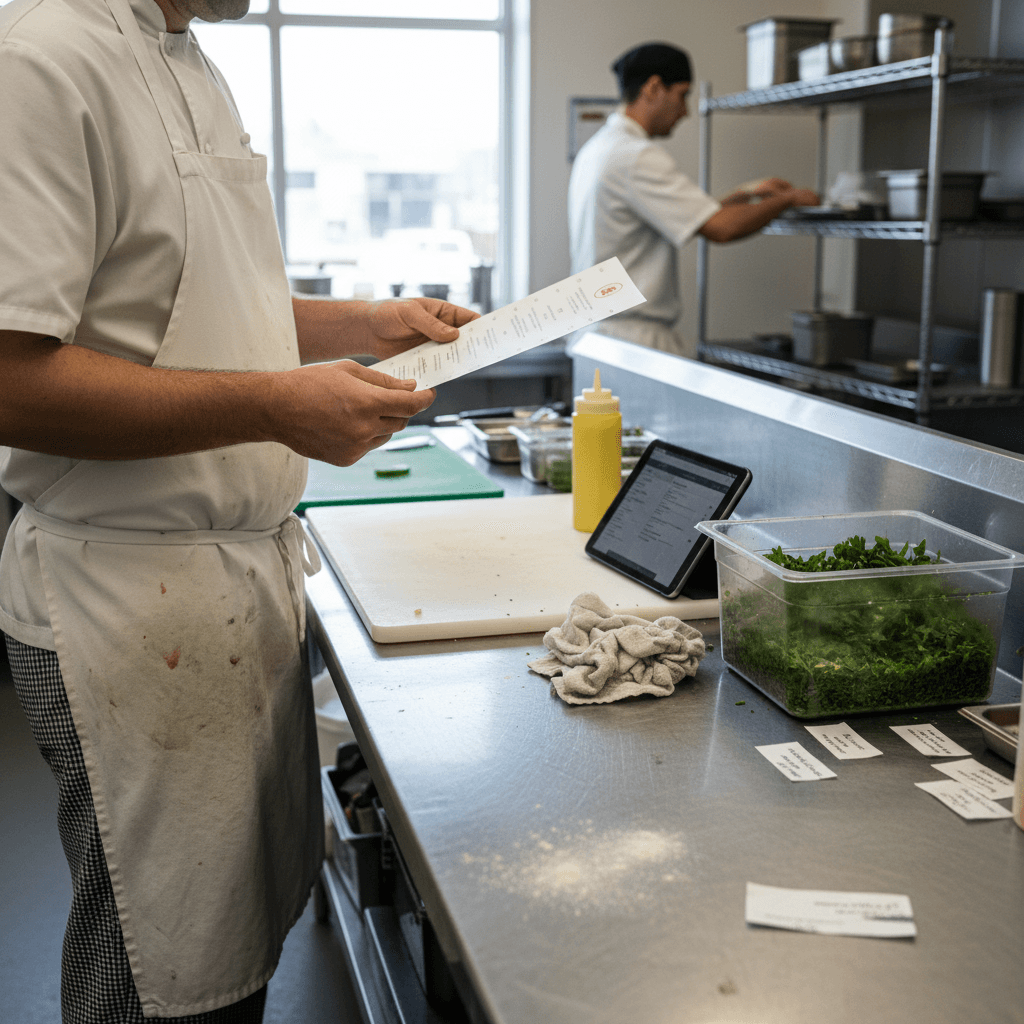
Local Ingredients That Actually Save Money start with a simple Friday night reality. Your line cook is holding a case of wilted arugula at 6:45 PM. The dinner rush is building, and the salad station is about to crash. The produce you ordered from a national distributor three days ago is already turning. You paid a premium for that "fresh" greens mix, and now it's headed straight for the compost bin. That's not an isolated incident. It's a weekly tax on your food cost.
This waste happens because you're paying for two things: the product itself and the entire logistics chain that got it to your door. Every refrigerated truck, every warehouse stop, every extra day in transit adds cost and subtracts freshness. You're financing a supply chain designed for shelf life, not plate life. The result is predictable inconsistency and hidden waste that shows up when you can least afford it - during service.
The financial bleed is quiet but constant. You see it in the half-case of tomatoes you trim down every Tuesday prep shift. You feel it when your chef has to 86 the special because the fish doesn't smell right, even though the invoice says it was delivered today. This isn't about occasional supplier mistakes. It's about a system built on distance and time, where quality degrades as a feature, not a bug. For the complete system to cut waste and boost profit across all operations, see our guide on Sustainable Practices That Actually Save Money.
The Rule: If your produce spends more time traveling than it does on your line before spoiling, your system is broken.
The Contrarian Truth About Local Suppliers
Most operators think local means expensive. They picture artisanal farmers markets with premium price tags. That's the wrong picture. The real savings come from cutting out the middlemen who exist solely to move product across state lines.
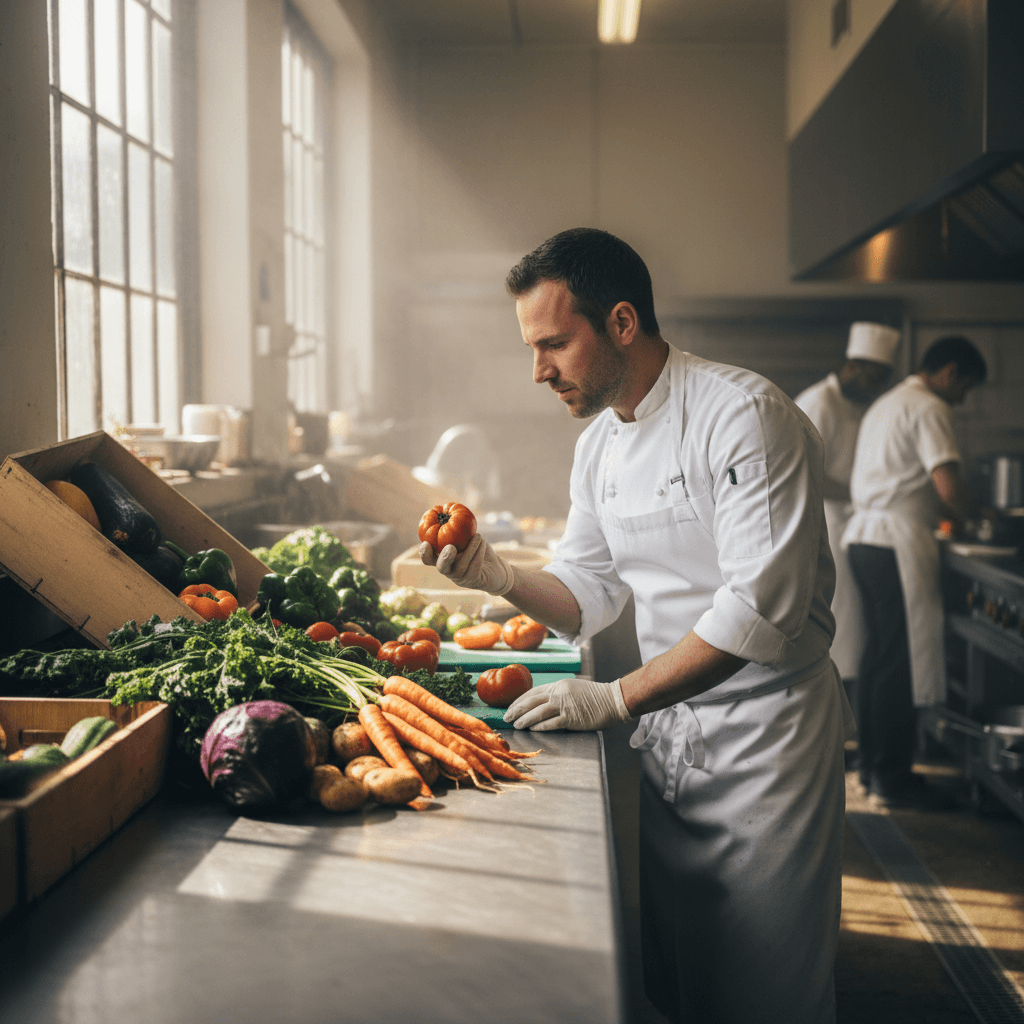
A local tomato farmer doesn't need to pack her tomatoes to survive a five-day truck ride. She picks them ripe yesterday, drives them twenty miles this morning, and you serve them tonight. You're not paying for wax coatings, controlled atmosphere packaging, or cross-country diesel fuel. You're paying for a tomato.
Here's the math that matters on your prep table: National distributor greens have a 4-day shelf life from delivery. Local farm greens delivered Tuesday morning are still crisp for Friday dinner service. That extra two days of usability cuts your waste percentage in half for that product line. It means your kitchen isn't racing against a spoilage clock that started ticking three states away.
The operational shift is physical. Instead of receiving pallets of mixed produce on a giant truck every Tuesday, you might get three separate deliveries from different farms throughout the week - greens on Tuesday, root vegetables on Wednesday, fruit on Thursday. This seems like more work until you see the results: less trimming waste, fewer 86'd items, and consistent quality that servers can actually sell with confidence.
When Farm Visits Become Time Sinks
The biggest fear about going local is the time commitment. "I don't have hours to drive to farms every week," you think. You're right. You shouldn't.
The mistake is treating local sourcing like a hobby instead of a procurement strategy. Driving to five different farms every Tuesday morning is a time sink that no restaurant manager can sustain. That approach burns out fast and delivers inconsistent results.
The effective method uses one simple filter: delivery radius.
The Rule: Any local supplier who cannot deliver directly to your back door is not a viable primary supplier.
This isn't about being difficult. It's about respecting the finite hours in your week. A farmer who delivers has built a business around serving restaurants. A farmer who expects you to pick up is running a different model - often direct-to-consumer - and your needs will always be secondary.
Start with one anchor product. Find a local egg farmer who delivers twice a week. Get that relationship solid. See how the consistency improves and the waste drops. Then add one more: a vegetable farm that delivers Tuesdays and Fridays. Build your network slowly, based on reliability and quality, not good intentions or charming farm stories.
Your time is better spent in your own kitchen during those hours, training staff on how to handle truly fresh product - learning that local kale doesn't need heavy dressing to mask bitterness, or that just-picked herbs are so potent you can use half as much.
Building Relationships That Last Beyond One Season
Local sourcing fails when it's transactional - when you call Farmer John only when tomatoes are in season and forget his number by November. The real savings compound over multiple seasons through planning and communication.
Tell your farmers what you need before they plant. In January, sit down (or call) with your main produce growers. Show them your menu concepts for spring and summer. Say "I'll need 20 pounds of basil weekly from June through August" or "My fall menu will feature squash - can you grow these three varieties?" This allows them to plan their crop rotation around your demand.
This forward communication creates stability for them and predictability for you. They're not guessing what to plant; they're growing to your specifications. You're not hoping they have what you need; you've reserved it months in advance.
The financial benefit is locked-in pricing. When you commit to volume before the seed goes in the ground, you negotiate price based on estimated yield, not weekly market fluctuations. Your food cost for that basil becomes a fixed line item all summer, immune to drought scares or heat waves that spike prices at the wholesale market.
Operationally, this means your kitchen team gets consistency for an entire menu cycle. Your summer salad special tastes the same in July as it did in June because the basil comes from the same field, harvested at the same maturity each week. Servers can describe dishes accurately because ingredients don't change weekly based on distributor availability.
This planning extends to preservation for off-season use. When you have a great tomato year, work with your farmer to put up sauce or canned tomatoes at peak season prices for use in winter stews and braises. You pay summer rates for winter-quality product, flattening your annual food cost curve.
Taking the Next Step
Shifting to local ingredients that save money requires changing procurement habits, not just supplier names. The logic is clear: shorter distance means less spoilage, direct relationships mean better planning, and seasonal commitment means price stability.
The manual process works but demands disciplined communication and systematic ordering. Modern digital tools can automate the repetitive parts - tracking delivery schedules, managing purchase orders across multiple farms, and forecasting needs based on historical menu data - freeing you to focus on quality relationships instead of paperwork.
See exactly how this fits into your operation by checking view our pricing or putting the system to work during your next ordering cycle with a start a free trial.