Kitchen Energy Bills Are Eating Your Profits
Your kitchen's hidden energy costs drain profits every shift. Stop the waste with simple fixes that work during service, not just on paper.
The Silent Profit Drain Every Friday Night
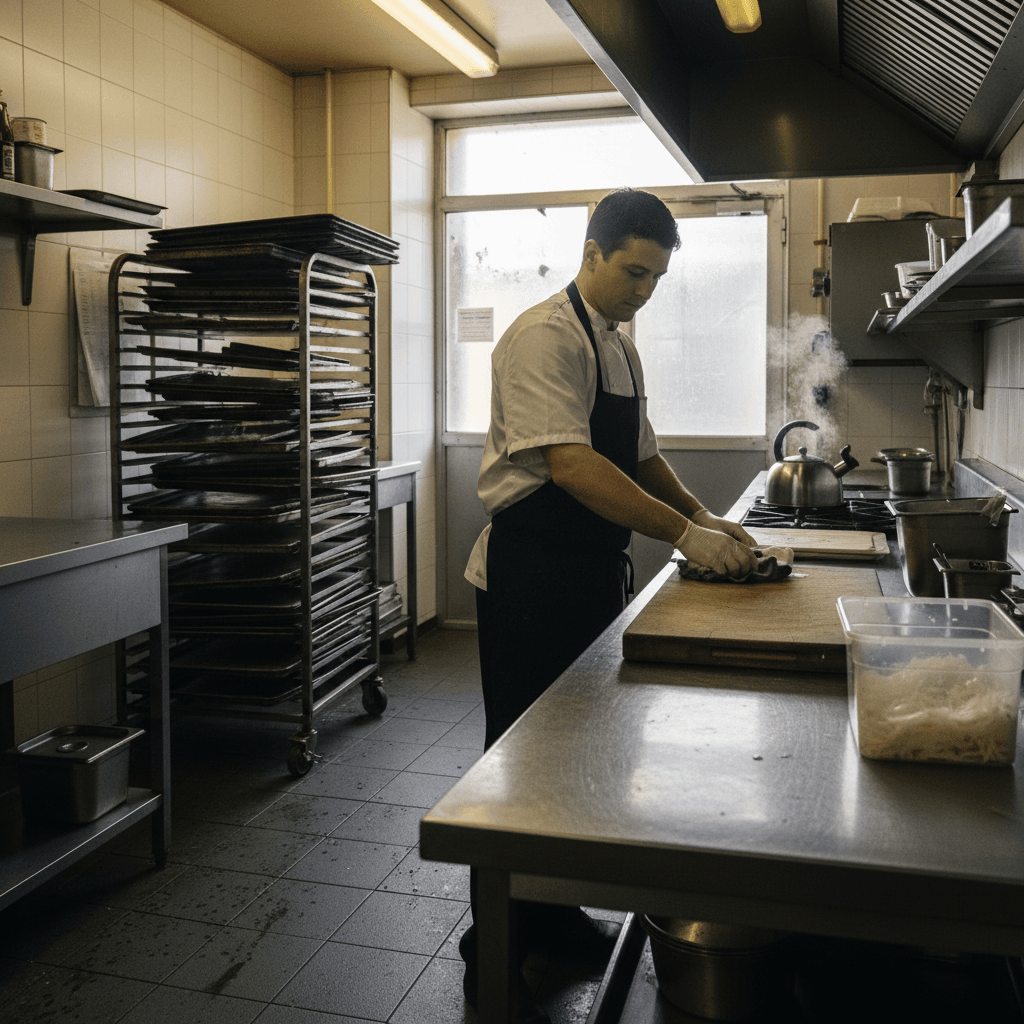
Kitchen Energy Bills Are Eating Your Profits. You feel it every Friday night. The line is hot, tickets are flying, and the hood fan roars like a jet engine. You're focused on food costs and labor percentages, but there's another number draining your bottom line - the one you only see once a month on a utility bill you barely understand. That $500 charge isn't just for the energy you use during service. It's for everything running when no one's cooking.
The walk-in compressor cycles on at 3 AM when the restaurant is empty. The fryer preheats for three hours before dinner service starts because someone turned it on with the morning prep. The dishwasher runs half-full loads during the afternoon lull. These costs add up faster than spoiled produce or overstaffed shifts, but they're invisible until the statement arrives. You're paying for energy waste during every dead hour, and that waste peaks during your busiest weeks when you're too stretched to notice.
This connects directly to operational efficiency, which is part of the broader system we break down in Sustainable Practices That Actually Save Money. That guide shows how real environmental practices cut waste and boost profits simultaneously - they're not separate goals.
Track What Actually Matters, Not Just Paper Reports
Here's the hard truth: Your monthly utility statement tells you nothing useful. It's a single number that arrives 30 days too late to fix anything. You need to track energy use by shift, by piece of equipment, during actual service hours. Start with the big three categories that consume 70% of your kitchen's energy - refrigeration, cooking equipment, and ventilation.
Put a manager in charge of checking equipment status at three critical times: opening, during peak service, and at closing. This isn't about installing fancy meters or complicated technology. It's about basic awareness. Is the hood fan running when only one cook is prepping vegetables? Are all burners on the range lit during the 2 PM dead period? Is the walk-in door left slightly ajar after the morning produce delivery?
The Rule: Equipment should only run when it's actively being used for service or essential safety. Everything else is waste.
Track these manually for one week. Use a simple clipboard checklist near the time clock. Note which equipment is running during your slowest hours (2-4 PM weekdays). You'll discover patterns immediately - the prep cook who turns on the flat top grill "just in case" two hours before dinner, the dishwasher who runs small loads because they don't want to wait for full racks, the server who props open the cooler door while restocking beverages.
When Manual Tracking Becomes Another Chore
You'll catch the obvious leaks first. The employee behaviors that scream waste. But then you hit the wall - you can't be everywhere at once. You're managing food costs, labor schedules, vendor deliveries, and customer complaints while trying to remember which piece of equipment needs attention at which specific time.
The system breaks down during your busiest weeks, exactly when energy waste costs you the most money. During Saturday night service with a full reservation book, no manager has mental space to check if the ventilation fan is set correctly for the actual number of cooking stations being used. When you're short-staffed on a Tuesday, that clipboard checklist gets ignored because everyone is just trying to get through service.
Manual tracking becomes another chore that gets dropped when pressure mounts. You see immediate savings in week one, then gradual backsliding in week two, and complete abandonment by week three. The problem isn't your commitment - it's that you're asking human beings to perform machine-like consistency while also cooking perfect steaks and managing difficult guests.
The 15-Minute Daily Energy Audit That Works
Stop trying to track everything at once. That approach fails every time because it overwhelms your team. Instead, pick one energy category each week and make it part of your pre-shift meeting conversation.
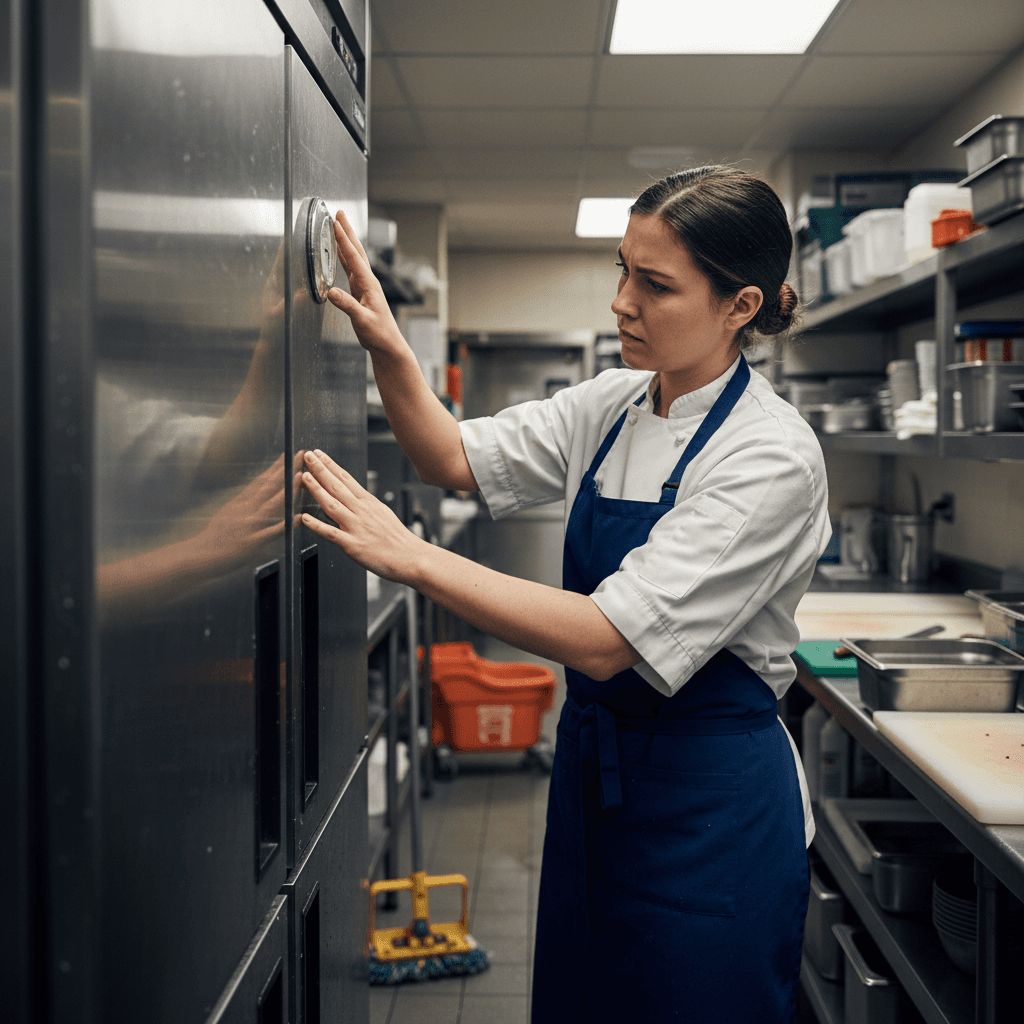
Week one: Focus solely on refrigeration checks during the 3 PM lull. Train every employee who enters the walk-in to close the door completely behind them. Make it a game - spot checks with small rewards for proper closure. Track how long the compressor runs during dead hours versus active service.
Week two: Shift to cooking equipment startup times aligned with actual service needs. If dinner service starts at 5 PM, preheat equipment at 4:30 PM, not 2 PM when prep begins. Create visual schedules posted above each major appliance showing when it should be turned on based on your reservation book.
Week three: Target ventilation fan schedules that match your actual cooking load. If only two stations are active during lunch prep, run only those hood sections. Most systems have zone controls that nobody uses because they don't understand them.
Train your staff to spot waste as part of their normal duties - not as an extra task. The line cook who notices the fryer oil taking 45 minutes instead of 20 minutes to reach temperature knows something's wrong with the element or thermostat. The dishwasher who waits 15 extra minutes to run a full load instead of three half-loads saves both water and heating energy.
This turns energy savings from a manager's headache into everyone's responsibility tied directly to their role.
The pivot happens when you realize manual systems work beautifully until they don't - until you're too busy serving customers to maintain perfect discipline. Modern kitchen management tools can automate these repetitive checks, monitoring equipment run times against your actual sales data and reservation patterns without requiring constant human attention.
Taking the Next Step
The logic here is straightforward: equipment running without purpose drains profit just like spoiled food or overstaffed shifts. The difference is visibility - you see food waste immediately but only see energy waste on a monthly statement disconnected from specific shifts.
Manual tracking gives you immediate awareness and initial savings. Consistent execution requires either extraordinary discipline or systems that handle the monitoring automatically so your team can focus on cooking and hospitality.
If this approach makes operational sense for your kitchen, view our pricing for tools that automate these energy audits against your actual service patterns or start a free trial to see how continuous monitoring works during your next busy weekend without changing your current workflow.