Instagram Food Photos That Actually Sell
Stop wasting time on complicated setups. These 5 simple food photo tips work during your busiest shifts and bring in real customers.
Why Your Food Photos Aren't Working
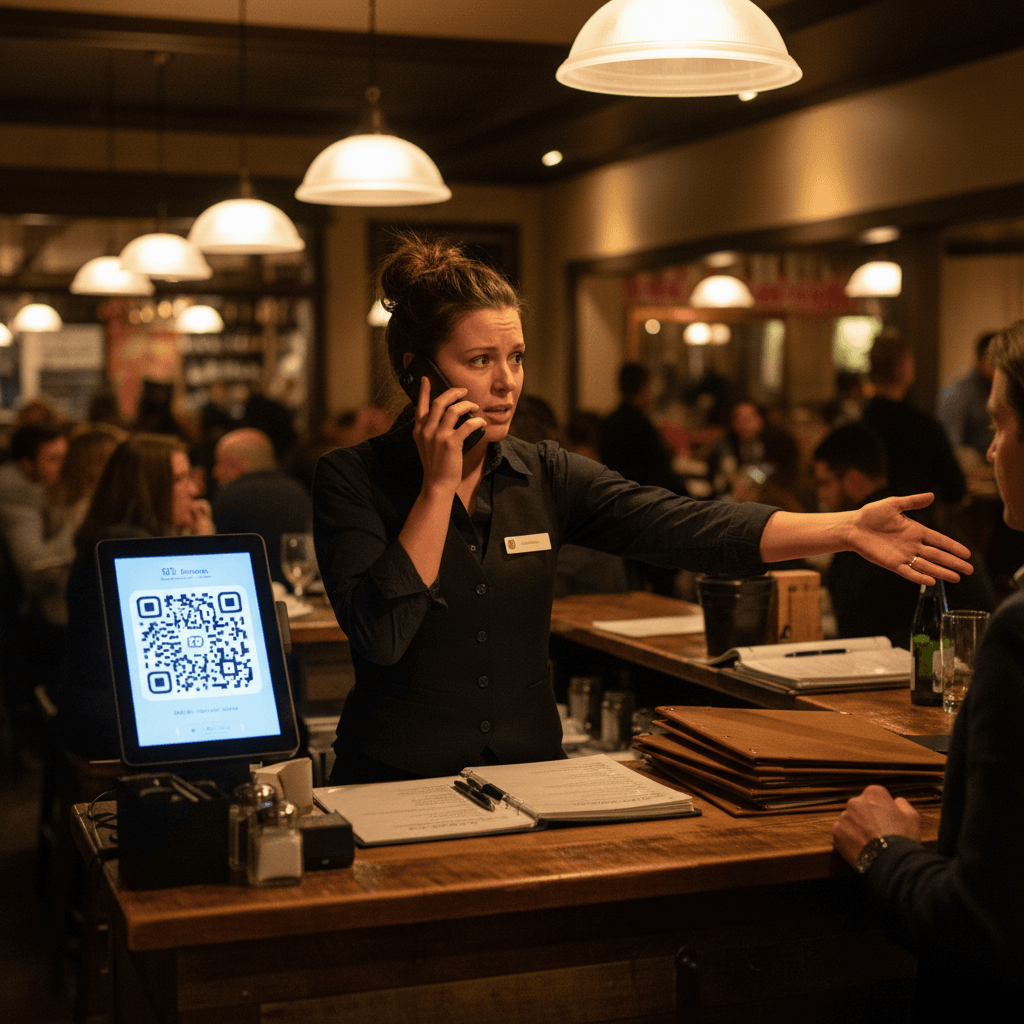
It's Friday night, 7:15 PM. The expo station is backed up with five tickets. A server rushes a beautiful plate of scallops to table six, remembers the Instagram post you asked for, and pulls out their phone. They snap a blurry picture with their thumb over the lens, the scallops now sitting under heat lamps for 45 seconds. That photo goes online. It looks tired. It looks like an afterthought. Your food tastes incredible, but your photos tell customers it's mediocre and cold.
Instagram Food Photos That Actually Sell don't come from perfect studio setups. They fail because they're disconnected from the reality of your shift. You're trying to create marketing content during the exact moments your team is focused on service and quality. The photos get lost because they don't show what a customer experiences when they sit down at your table - the steam, the texture, the freshness.
This is a process problem, not a creativity problem. For a complete system that ties marketing directly to getting more customers through your door, see our guide on Simple Restaurant Marketing Ideas That Actually Work. It breaks down how to stop wasting time on complicated campaigns and focus on what works during actual service.
The 15-Minute Photo Setup That Works
Forget expensive equipment and studio lighting. The best food photos happen during service when dishes look their freshest. Here's the contrarian rule: Stop trying to make perfect photos. Instead, capture real moments that show texture and temperature.
Use your kitchen's existing light. Position plates near window light during the day or under your warm kitchen lights at night. Don't bring in extra lamps that get in the way.
Shoot from customer eye level. Not from above like every other restaurant. A customer sees their plate when it's placed in front of them, not from a bird's-eye view. Capture that perspective.
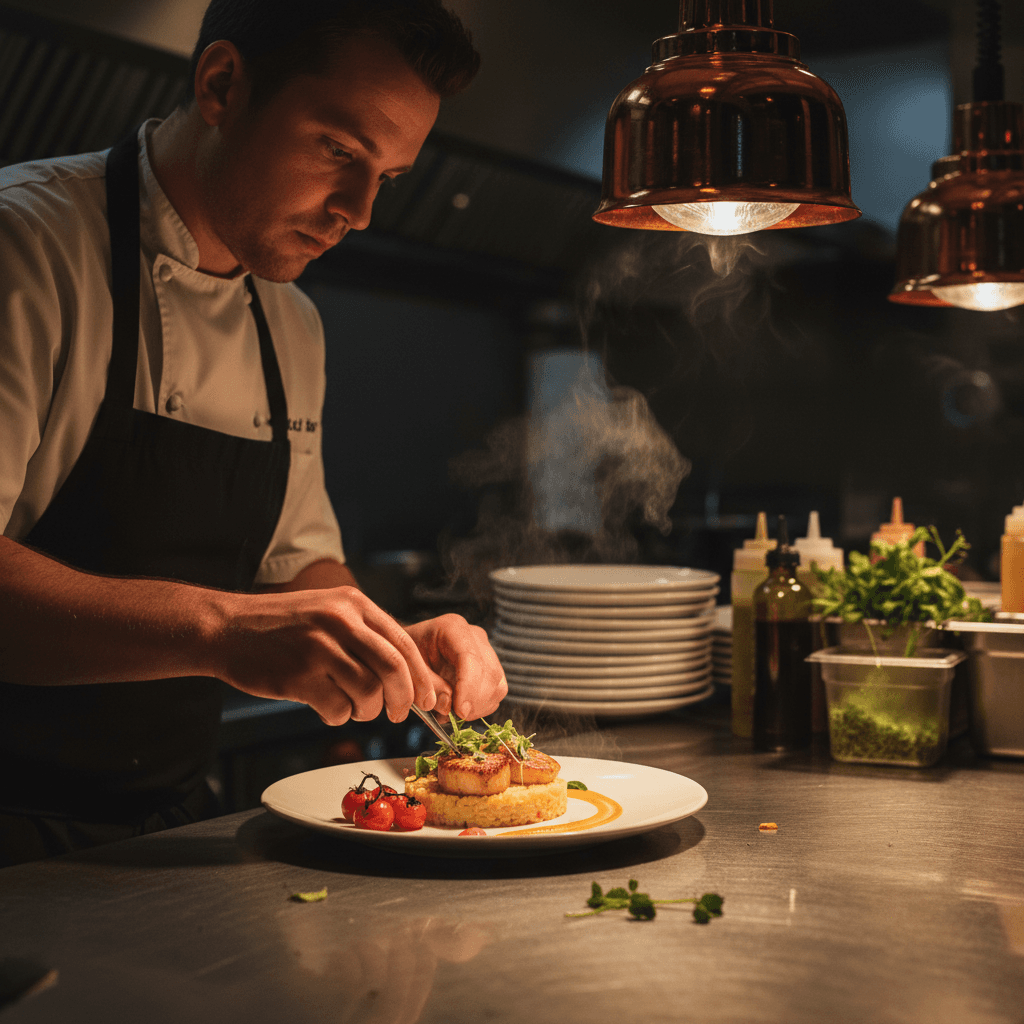
Show steam rising from hot dishes and condensation on cold drinks. These are visual proofs of temperature that a customer looks for. Steam means fresh off the line. Condensation means a properly chilled drink.
Include one imperfect element. A slightly messy garnish or natural sauce drips down the side of a bowl. Perfection looks fake and staged. A little imperfection looks real and appetizing.
Take photos during plating, not after sitting under heat lamps. The Rule: The photo must be taken within 10 seconds of the final garnish touching the plate. That's when colors are brightest and textures are most defined.
When Good Photos Still Don't Convert
You can take one beautiful photo but still not get reservations on Tuesday night. The bottleneck isn't your camera skills - it's consistency.
Taking one great photo during Friday dinner rush doesn't help when you forget for three weeks straight. Your Instagram feed shows a single gorgeous burger followed by two weeks of reposted memes and blurry staff pictures. Customers see inconsistency and assume inconsistency in your food.
Your staff is busy cooking and serving, not playing photographer. Asking a line cook to stop during the rush to take pictures is a direct conflict with their primary job. Asking a server means the food gets cold at the table. This manual process breaks down every single shift because it's an add-on task, not part of the workflow.
Building a Photo Habit That Sticks
The secret isn't better photography training for your chef. It's building a system that works during your actual shifts without adding extra work.
Start with one dish per shift - your special or most photogenic item. Don't try to photograph the entire menu on Monday afternoon when you're prepping. Choose one thing that looks great today.
Train one person to snap two quick shots during plating. The expo position works perfectly. They see every plate before it leaves the kitchen. Give them a clean phone dedicated to this task, mounted where they can grab it without moving their feet.
Use those same shots across all your social posts for the week. This creates visual consistency without requiring new photos every day. One great shot of tonight's special can be your Instagram post tomorrow, your Facebook cover photo, and an image in your weekly email.
The Rule: The system must add less than 15 seconds to the plating time for any single dish. If it takes longer, it will fail during your next busy service.
Taking the Next Step
Shifting your photo process from a creative project to a kitchen workflow is practical and logical. The steps are clear: identify one dish, train one person, and build consistency from your existing service rhythm.
Manual systems require discipline and time to maintain every single shift. Modern digital tools built for restaurants can automate this workflow by connecting photo capture directly to your point-of-sale or kitchen display system, turning a manual interruption into a seamless part of service documentation.
If you're ready to build this consistency into your daily operation, you can view our pricing for tools designed around kitchen workflows or start a free trial to see how automation handles the photography so your team can focus on the food