How to Talk About Sustainability Without Sounding Preachy
Customers want to know about your green efforts, but awkward explanations turn them off. Here's how your staff can talk sustainability naturally.
The Awkward Sustainability Pitch
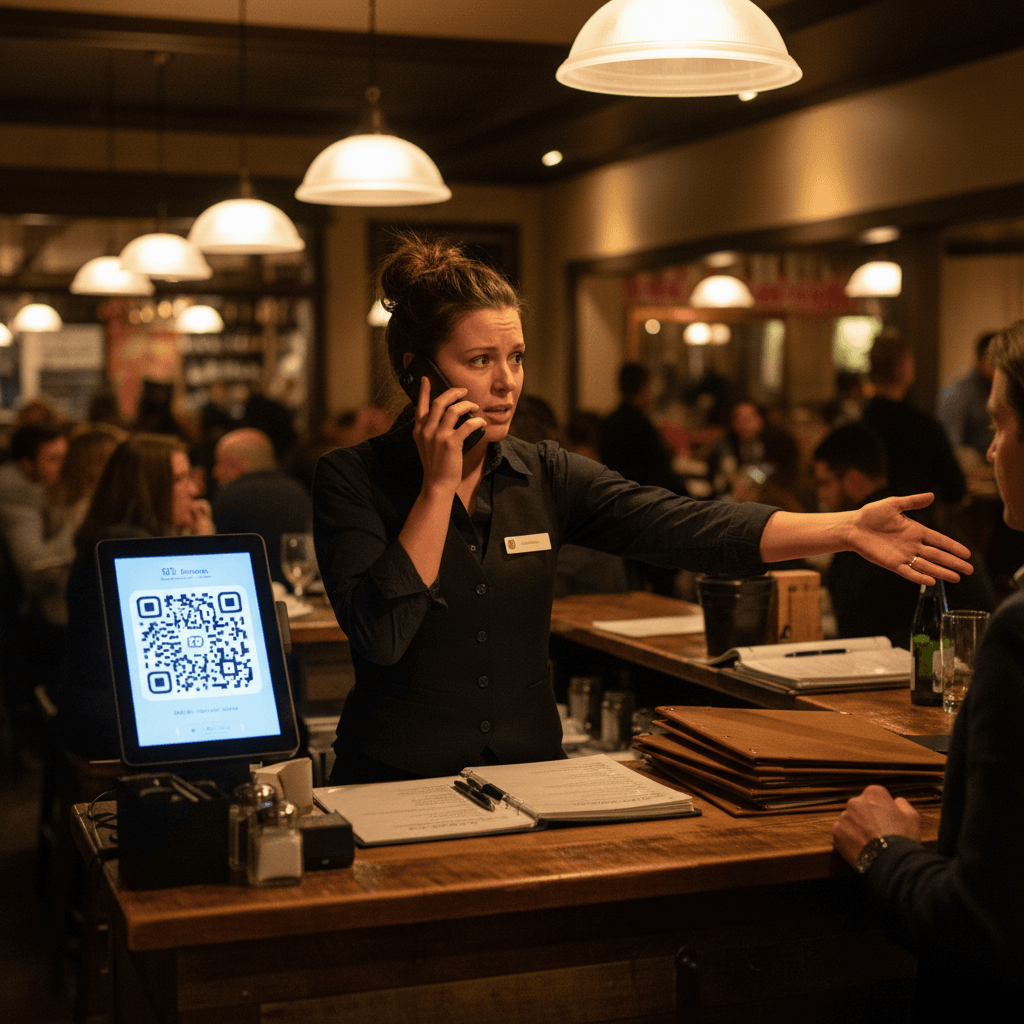
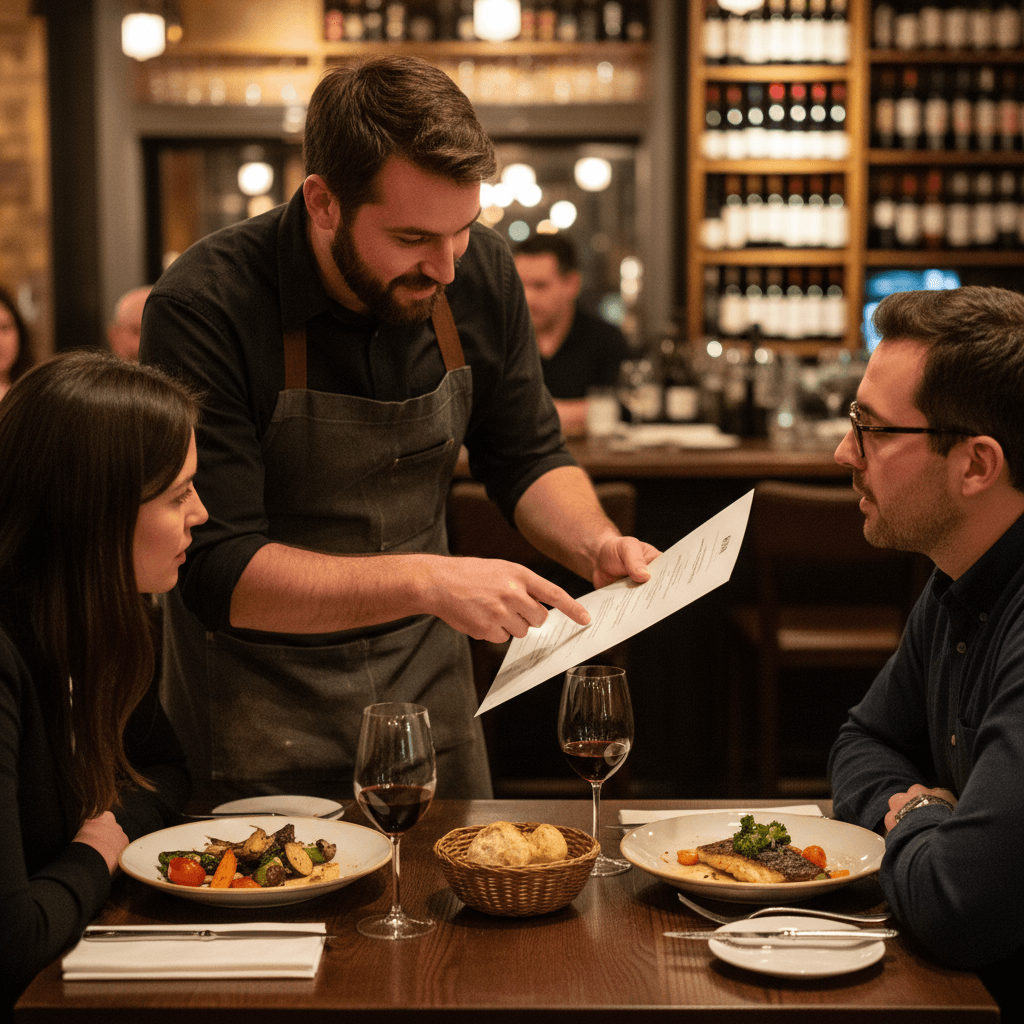
How to Talk About Sustainability Without Sounding Preachy starts on the floor, not in a corporate meeting. It's Friday night, 7:45 PM. Your server, Sarah, is at table six with the specials. She gets to the salmon. "This is a sustainably sourced filet," she says, reading from a note card. "Our restaurant is committed to reducing our carbon footprint through responsible sourcing initiatives." The couple at the table nods politely, their eyes glazing over. Sarah keeps talking about composting and food miles for another minute. Their drinks are empty. The appetizer she dropped five minutes ago is getting cold at the window.
This is the common mistake. Servers sound like corporate brochures when describing green practices. They use words like "carbon footprint" and "sustainability initiatives" that mean nothing during dinner service. Customers don't connect with those terms. They connect with people, stories, and simple logic they understand.
The real cost is cold food and lost tips. A server who spends three minutes explaining composting while food dies in the window is hurting the guest experience and their own pocket. This manual breakdown is why you need a system. The good news is that system is simple, and it connects directly to your bottom line. For the complete picture of how green practices drive real profit, not just good feelings, see our guide on Sustainable Practices That Actually Save Money. That guide breaks down the math behind waste reduction and smarter purchasing.
Three Phrases That Actually Work
The fix is linguistic surgery. You replace corporate jargon with human language that servers can actually say during a rush.
First, use "We work with..." instead of "We source from...". This makes it relational. "We work with Bob's Farm down the road" tells a story of a person and a place. "We source locally-sourced produce" is a phrase from a press release. Customers remember and repeat stories about Bob. They forget press releases.
Second, say "Our chef chooses..." instead of "We purchase...". This adds human decision-making. It frames your sustainability as a series of intentional choices, not a passive buying policy. "Our chef chooses these greens because they're the freshest we can get" has authority. "We purchase seasonal vegetables" does not.
Third, focus on "This helps us..." instead of "This reduces waste by...". The positive impact matters more than the technical metric. "This helps us keep our menu consistent" or "This helps us support other small businesses" gives the customer a reason to care that isn't abstract.
Here is the hard truth: customers do not care about your carbon footprint numbers. They care about stories they can repeat to friends over their own dinner table next week. "They get their pork from a farm where the pigs are named" is a story. "They have a 15% lower carbon footprint than industry average" is a statistic that dies at the table.
Run this training drill at your next pre-shift meeting. Pick one menu item - the burger, the salad, the fish special. Have your servers role-play describing it using the three new phrases. Time them. If it takes longer than 15 seconds, they're talking too much.
When Every Server Tells a Different Story
You fix the language, but then you face the consistency problem. John mentions your composting program to table two. Sarah talks about the local dairy farm to table four. Mike, your newest hire, says nothing about sustainability because he wasn't on shift for the training.
Now your customers are confused. One table thinks you're all about waste reduction. Another thinks you're championing local agriculture. A third gets no message at all. These mixed messages dilute your sustainability story until it means nothing.
The real cost here is wasted training time and managerial energy. When every server develops their own explanation, you are constantly correcting, reminding, and retraining. That's time you should be spending on the floor or in the kitchen.
Apply the Friday night test: Can your newest server, hired three days ago, explain your key green practice during the dinner rush? If the answer is no, your system is broken. The Rule: Every server must deliver the same core message for each major menu category. They don't need to be robots, but the foundational story - who you work with and why it matters - must be identical.
Making Green Stories Part of Your Service
The goal is to weave these stories seamlessly into your standard service rhythm, not add another talking point for servers to remember.
Start by building sustainability mentions into your official menu descriptions for the kitchen and waitstaff. Don't write an essay. Add one short line after each key item.
- House Burger: Beef from Thompson Family Ranch in Oak Grove.
- Market Salad: Greens from Bob's Farm, picked Thursday.
- Pan-Seared Salmon: Chef's choice from day-boat catch in Maine. This gives servers a consistent anchor point they can expand from naturally.
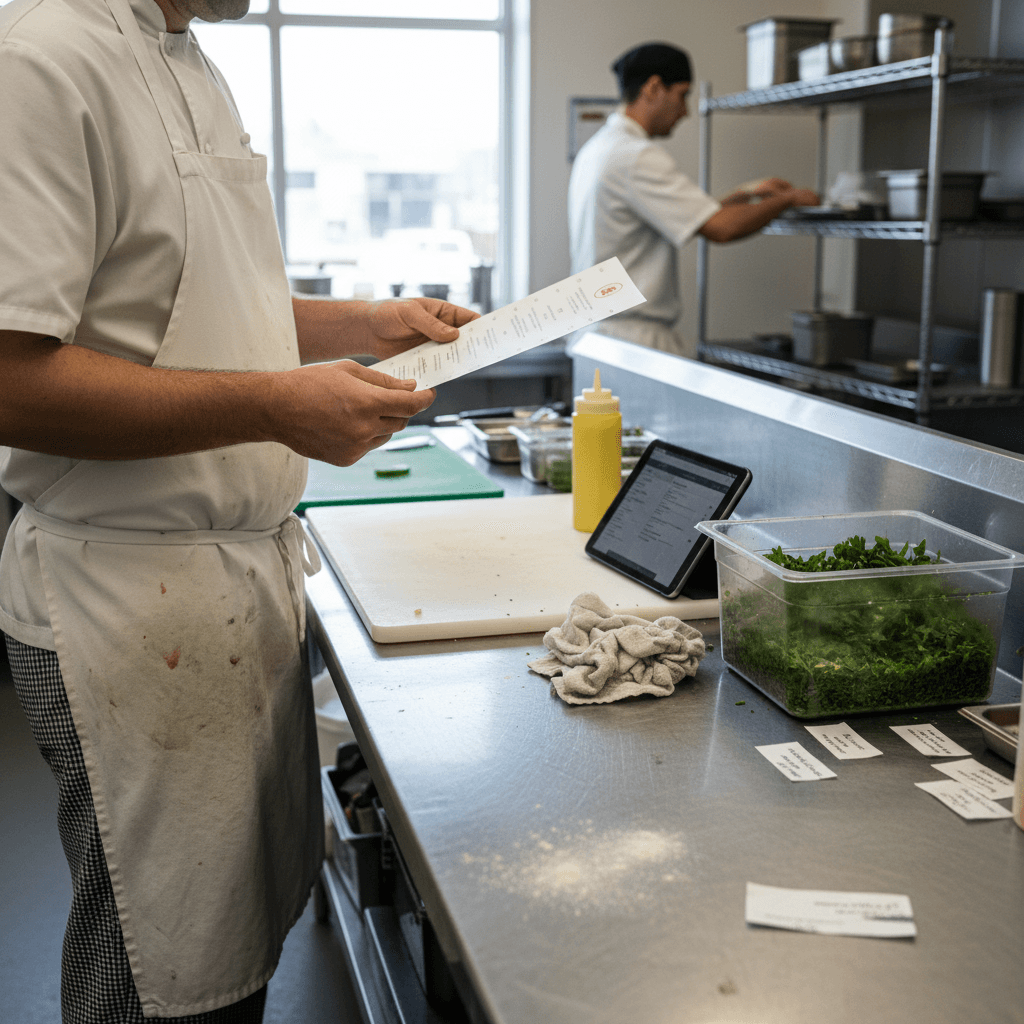
Create simple cheat sheets for servers with key phrases for each menu section - appetizers, mains, desserts, bar. Laminate them and keep them at the server station or in an apron pocket. These aren't scripts; they are prompts.
- For Beef: "We work with Thompson Ranch."
- For Greens: "Our chef chooses these from Bob's Farm."
- For Seafood: "This helps us support smaller fishing boats."
Then, measure what works. Managers should quietly track which explanations get positive customer reactions - smiles, questions, compliments to the server at checkout. Did more people order the salmon when Sarah said "day-boat catch"? Did table six seem engaged when John mentioned the pigs have names? This feedback tells you which stories resonate so you can double down on them.
Your next step is practical: start with one menu item this week. Pick your top-selling appetizer or entree. Train every server on one perfect sentence for that item using the three-phrase framework. Practice it at pre-shift for three days. Next week, add another item. This gradual build is sustainable for your staff and your message.
These manual fixes - consistent language, integrated prompts, measured feedback - create a reliable system. They turn sustainability from an awkward pitch into a natural part of your service story. But maintaining this discipline requires constant managerial attention and reinforcement.
Taking the Next Step
How to Talk About Sustainability Without Sounding Preachy comes down to replacing jargon with genuine stories that fit into the natural flow of service. The logic is clear: customers connect with people and places, not policies and percentages. When every server shares the same simple narrative, that story becomes part of your restaurant's identity.
To make this shift easier on your team and ensure consistency across every shift, modern digital tools can help. Platforms designed for restaurant communication allow you to embed these key phrases and stories directly into digital menu guides and training materials that are instantly accessible to all staff. This automates the distribution of your core message, so whether it's a Tuesday lunch or a Saturday night rush, everyone is telling the same story.
If inconsistent messaging is costing you tips and confusing your guests, view our pricing to see how affordable it can be to get everyone on the same page, or start a free trial this week and train your team with one consistent story before your next busy service