How to Reply to Yelp Reviews That Actually Work
Practical review response strategies that protect your reputation without wasting hours each week. Learn what to say, when to respond, and what never to do.
The Silent Killer in Your Back Office
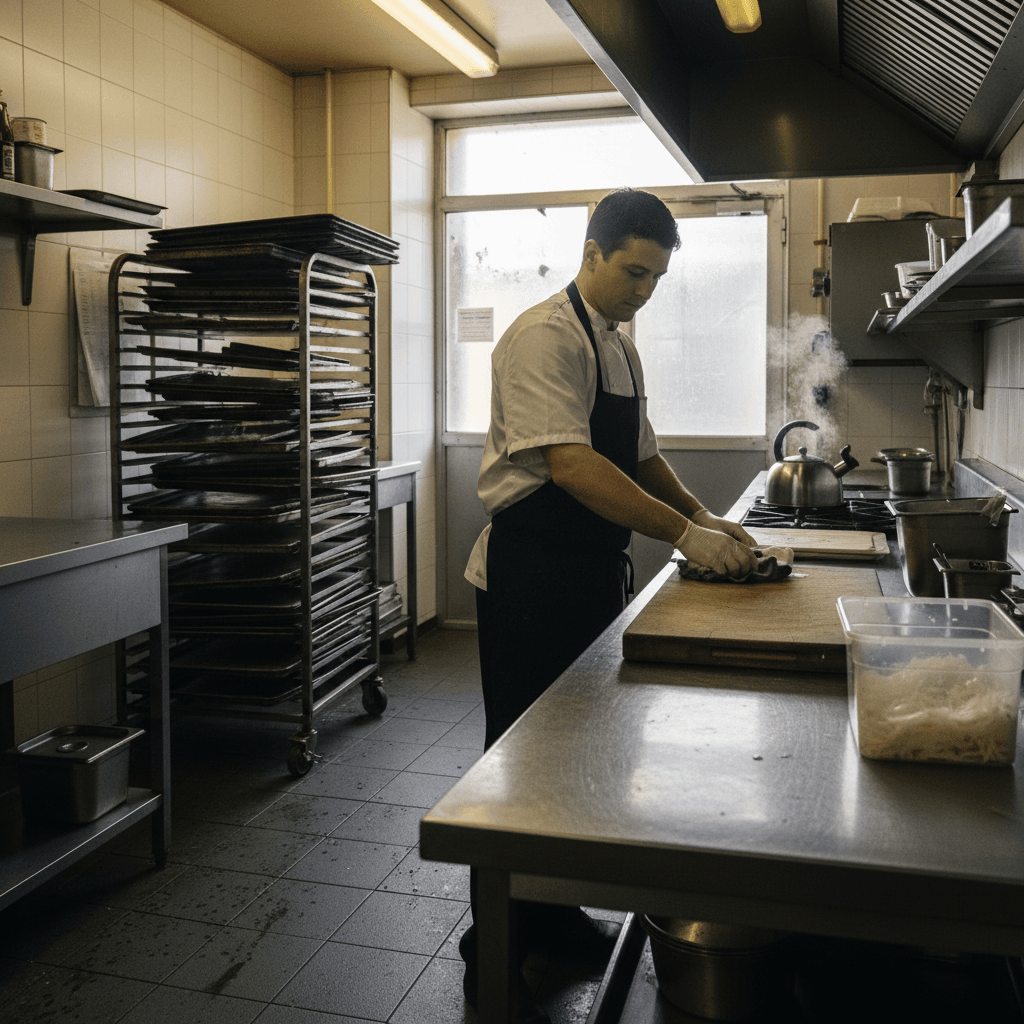
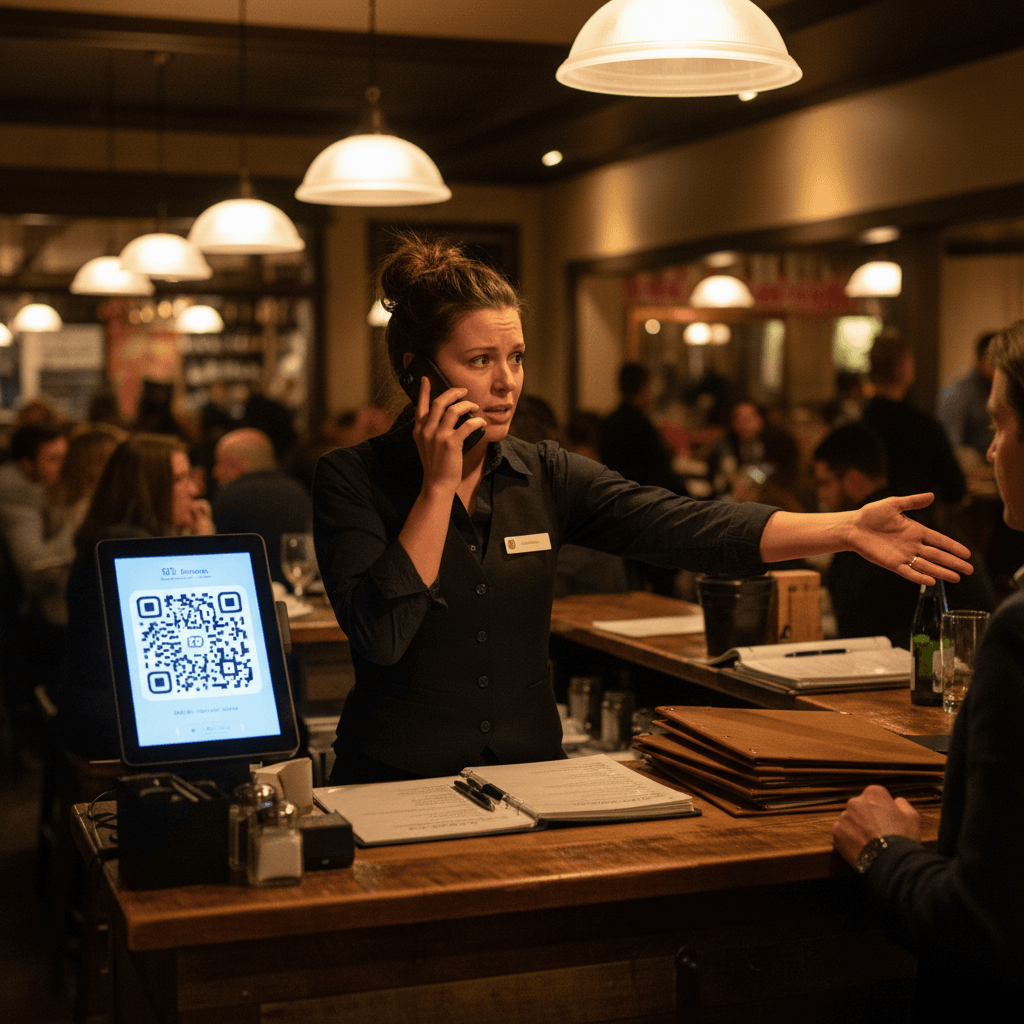
How to Reply to Yelp Reviews That Actually Work starts with understanding what you're fighting. It's 11:30 PM on a Saturday. The last table just left, the kitchen is a wreck, and you're staring at your phone. A new one-star review just popped up. Your gut reaction is to defend your team, explain the 45-minute ticket time, or list every reason why that customer was wrong. You type a response fueled by exhaustion and emotion. You hit send. You just made everything worse.
That emotional reply becomes a permanent part of your restaurant's story. Future customers read it and see a defensive owner, not a professional operator. They don't see the packed dining room or the broken oven. They see you arguing with a guest online. This is the silent killer: turning a single bad night into a permanent reputation problem that scares away dozens of future customers.
Most review responses make things worse because of three common mistakes. First, you apologize first. This makes you look weak and confirms the complaint as absolute truth before you've even investigated. Second, you get defensive and list excuses. Customers don't care about your staffing issues or supply delays; they care about their experience. Third, you write a generic corporate reply that sounds like it was copied from a manual. It has no soul and solves nothing.
Responding emotionally costs you future customers. People read reviews to decide where to spend their money. When they see an owner fighting with guests online, they choose the restaurant down the street. Your response isn't just for the angry reviewer; it's marketing material for every person who reads it next week, next month, or next year. This connects directly to building a reliable customer base, which we break down in our guide on Simple Restaurant Marketing Ideas That Actually Work.
Your 5-Minute Response Formula
The good news is there's a simple formula that works every time. It takes five minutes or less, and it turns critics into loyal customers.
Start every reply with these three words: "Thank you for..." Thank them for the feedback immediately. This disarms the situation and shows you're listening, not fighting. It shifts the conversation from confrontation to collaboration.
The hard truth is that apologizing first makes you look weak. Instead of "We're sorry your experience was bad," try "Thank you for bringing this to our attention." The first sentence admits fault before you know the facts. The second sentence acknowledges their effort and opens a door.
Show how you'll fix their specific complaint in your next sentence. Be concrete. If they complained about cold food, mention that you're retraining expediters on plate temperature checks before food leaves the window. If they said service was slow, explain that you're adjusting section assignments for weekend rushes. This shows you're taking action, not just offering empty words.
End with a direct invitation to return. Say "We'd appreciate another chance to serve you" or "Please ask for me personally on your next visit." This is the critical turn. It moves the conversation from online criticism to an in-person solution. It transforms a one-time complainer into a guest who feels heard and valued.
The Rule: Every response must thank, act, and invite. Thank them for the feedback, state the specific action you're taking, and personally invite them back. Do this for every review - good or bad.
When Review Responses Become Another Nightly Chore
Friday night rush ends at 10 PM, and you still have twelve reviews waiting. You have to clean the kitchen, count the drawer, and prep for tomorrow's brunch. The math doesn't work - thirty minutes per thoughtful response equals six hours weekly you don't have.
This is why most restaurants give up after two months. They start strong with detailed replies to every review in January. By March, they're only responding to one-stars. By summer, they've stopped completely because the manual process is unsustainable during busy season.
You need a system that fits into your existing workflow without adding hours of administrative work. Designate one manager per shift to check reviews during natural downtime - between lunch and dinner prep, or during the afternoon lull. Keep a simple template on your phone's notes app with your thank-act-invite structure so you're not starting from scratch each time.
Set a timer for five minutes per response. If you can't solve it in five minutes, save it for later when you have mental space. A short, thoughtful reply today is better than a perfect reply next week that never gets written.
From Damage Control to Reputation Building
Stop treating reviews as problems to solve. Start seeing them as conversations to continue. Your responses should work while you sleep, convincing future customers before they even walk through your door.
When someone reads a negative review followed by your professional, solution-oriented response, they see how you handle problems. They think "If something goes wrong when I'm there, they'll fix it." That's more powerful than any five-star review with no context.
Respond to positive reviews too - especially the detailed ones that mention specific servers or dishes. Thank them by name and mention that you'll recognize their server at pre-shift. This shows future readers that you notice and appreciate good feedback, not just react to bad news.
Your review responses are permanent marketing content. They tell people what kind of operation you run before they ever taste your food or meet your staff.
The manual process works - thank, act, invite - but it requires consistent time and discipline during already packed days. Modern reputation management tools can automate the monitoring and templating parts of this workflow, freeing up those nightly hours for what matters most: running your restaurant.
Taking the Next Step
Replying effectively to Yelp reviews is about shifting from emotional reaction to systematic communication. The logic is clear: treat every review as a public conversation with future customers, not just a private message with one unhappy guest.
The thank-act-invite formula protects your reputation during busy weeks when manual management feels impossible. To implement this consistently without adding hours to your schedule, view our pricing for tools that handle monitoring and templating, or start a free trial to see how automated workflows keep your responses professional even during peak season pressure