How to Raise Prices Without Losing Regulars
Practical steps to increase menu prices while keeping your regular customers happy. Learn timing, communication, and value strategies that work.
The Price Increase That Backfires
How to Raise Prices Without Losing Regulars starts with a quiet moment of panic during the Friday night rush. You're at the expo station, calling out orders, and you see the ticket for table six - the regular couple who always orders the ribeye. The kitchen just told you the beef cost went up again this week. You know you need to adjust the menu price, but you also know they'll notice. They've been coming every other Friday for three years. The fear isn't about losing a single sale; it's about breaking a relationship built over hundreds of meals. This operational tension - between covering real costs and keeping real people happy - is where most restaurants fail. Managing this balance is a core component of sustainable growth, which we break down systematically in Restaurant Sales Growth: Practical Strategies.
The mistake happens in the office, not on the floor. You look at your monthly profit and loss statement, see shrinking margins, and decide to raise everything by 10% starting Monday. Your regulars walk in, open the menu, and feel betrayed. They don't see your supplier invoices or labor costs; they see their favorite dish now costs $4 more. The relationship damage happens instantly, and rebuilding trust takes months. The Rule: Never announce a price increase. Execute it through gradual, thoughtful changes that feel like natural evolution rather than financial necessity.
Timing Is Everything (And It's Not January 1st)
That blanket increase approach fails because it creates sticker shock across an entire visit. Your regular who orders an appetizer, entree, and dessert sees three separate price jumps on one check. Their brain registers "this place got expensive" instead of "this item improved."
Start with your slowest-moving items first. Look at your sales reports from last month. Which appetizer sold only eight times total? Raise that one by $1 next week. Wait two full weeks - that's two potential visits from your weekly regulars - before touching anything else. Then adjust your mid-range entrees, the ones that sell consistently but aren't signature dishes. Your servers become your timing mechanism here. When they hand out menus, they can say "we've made a few updates to our offerings this month" instead of "prices went up." This spaced approach means no single guest experiences multiple increases at once.
The physical timing matters too. Never roll out new menu prices on a Saturday night when you're at capacity and staff are stretched thin. Do it on a Tuesday lunch shift when you have fewer covers and more management attention available for monitoring reactions. Your goal is to make the change feel invisible to guests while being completely visible to your team for observation.
Add Value Before You Add Cost
Here's where the manual process separates successful restaurants from struggling ones. Raising a price without adding perceived value feels like theft to guests. Adding value first creates justification.
Take your $14 pasta dish that needs to become $16. Two weeks before changing the price, upgrade one visible component. Switch from canned mushrooms to fresh sautéed mushrooms from your produce supplier. Train every server to mention this change: "Our chef just started using fresh local mushrooms in the pasta instead of canned." Say it like it's an exciting improvement, which it is. When the price adjusts later, guests connect the higher cost to the better ingredient.
This works powerfully with beverages. Your $10 cocktail becomes $12 next month. This week, introduce a new premium garnish - maybe a house-made candied citrus peel instead of a basic orange slice. Your bartender tells guests about it when serving: "I just finished candying these grapefruit peels this morning." The value addition happens first; the price follows naturally.
The Communication That Actually Works
Forget printing formal notices or posting signs about "economic adjustments." That language screams "we're charging you more money." Your communication should highlight improvement, not inflation.
Use your email newsletter to regulars as a storytelling tool. Send one titled "What's Fresh This Month" showing photos of new ingredients arriving - the local bakery delivery, the organic greens from the nearby farm. Your social media should feature 30-second videos of kitchen prep with these upgraded items. When guests later see a modest price increase, they've already seen where that extra dollar might be going.
Train your hosts on a simple script for handing out new menus: "We just updated our menu with some seasonal changes." That's true - you did update it - without highlighting the financial aspect. The goal is to frame changes as continuous improvement rather than necessary evil.
When Regulars Notice (And What To Say)
Someone will eventually comment directly. Maybe it's your Wednesday lunch regular who's ordered the same sandwich for years. Your server needs a prepared response that doesn't sound defensive or apologetic.
The script: "Yes, we did adjust some prices recently to continue working with our local suppliers who've also had increased costs. We wanted to make sure we could still get you the same quality ingredients you love." Notice what this includes: acknowledgment of the change, explanation focused on quality maintenance, and reassurance about their experience. Notice what it excludes: apologies, complaints about business difficulty, or detailed financial justification.
If a regular seems genuinely upset, empower your manager to offer a one-time courtesy discount on that visit only - maybe 10% off their check with the explanation "we appreciate your loyalty and want to make sure you feel valued." This isn't about reversing the price change; it's about acknowledging their feelings while maintaining the new pricing structure.
The Menu Design Trick That Softens The Blow
Physical menu design manipulates attention in useful ways. When you print new menus with adjusted prices, change more than just the numbers.
Alter the layout slightly - move sections around, add new descriptive text about sourcing or preparation methods, introduce one new dish while removing another slow-seller. Our brains notice complete redesigns less than we notice specific number changes on familiar pages. If your menu has always listed appetizers on the left column and entrees on the right, swap them this time around.
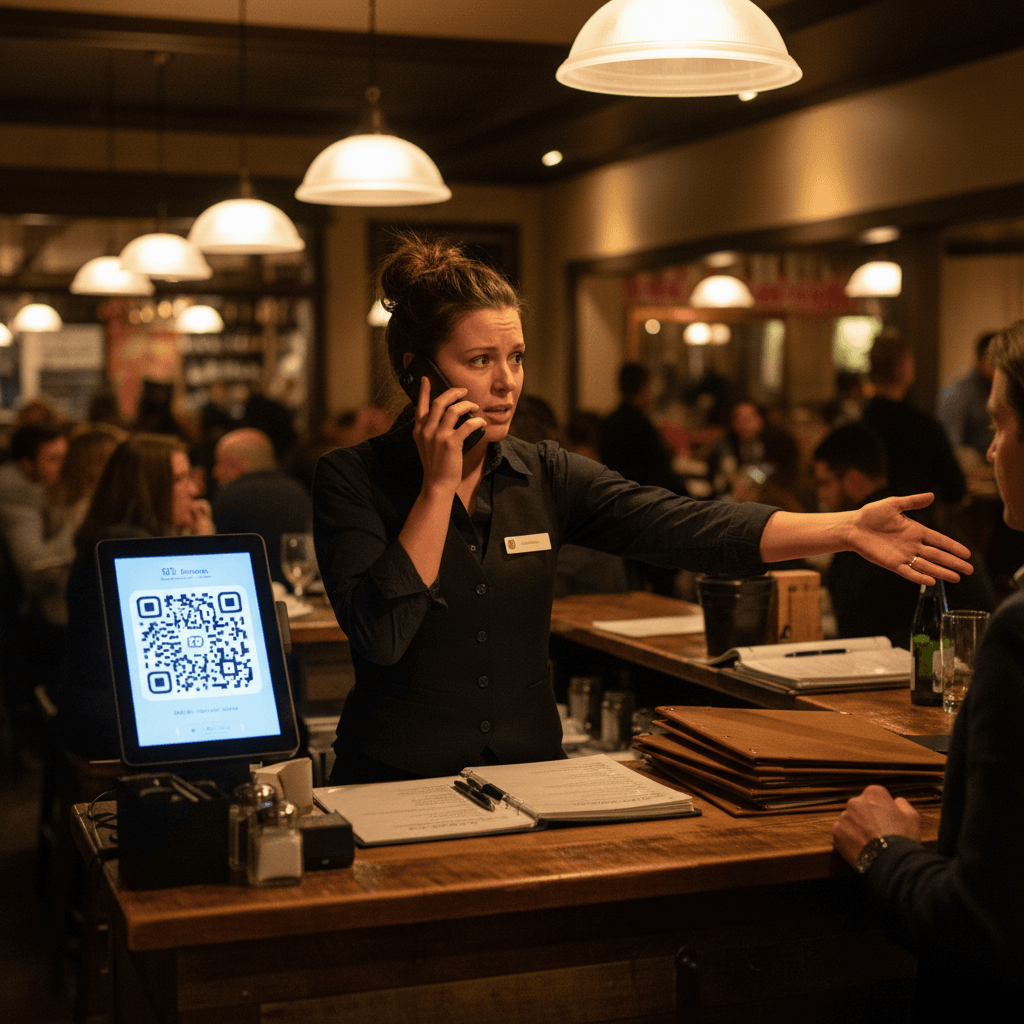
For digital menus via QR codes (which many restaurants now use), you have even more control. You can test price adjustments on specific days or times before full rollout. Try raising the salmon entree by $2 on Tuesday and Thursday nights only for two weeks, then check if sales volume drops significantly compared to other nights.
Use descriptive language strategically around price-increased items. Instead of "Grilled Chicken Salad $16," write "Herb-Marinated Grilled Chicken Salad with Local Greens $17." The added words cost nothing but create perceived value that justifies the dollar increase.
What Comes After The Price Change
The two weeks following any adjustment are your critical observation period. This requires manual tracking that many restaurants skip.
Watch your sales data daily - not just total revenue, but item-by-item movement compared to the same period last month. Did the pasta dish you raised by $3 drop from 40 weekly sales to 25? That's a problem signaling the increase was too large for that item's perceived value.
Conduct brief pre-shift huddles with servers specifically about guest reactions: "What are people saying about the menu changes?" Don't ask generally; ask specifically about which items guests are commenting on positively or negatively.
Be prepared to make small corrections if something isn't working. Maybe that $3 increase should have been $2 based on sales drop-off. Adjusting quickly shows responsiveness rather than indecisiveness.
Building Price Resilience Into Your Business
The ultimate goal isn't surviving one price increase; it's creating an operation where small adjustments feel normal rather than traumatic.
When you consistently communicate value through ingredient stories - when servers can explain why local eggs cost more but taste better - guests understand that quality has a price tag attached.
When menu evolution happens gradually with visible improvements preceding cost adjustments, regulars become partners in your restaurant's story rather than just consumers of its products.
This creates price resilience: customers who understand that good food costs what it costs because they've seen where those costs originate throughout their dining experiences over time.
Taking the Next Step
Raising prices without losing regulars comes down to disciplined execution of simple principles: space out changes, add value first, communicate through improvement stories, and monitor reactions closely after implementation.
The logic is clear when you break it down step by step - start with slow-moving items, use servers as communicators rather than announcers, and always connect cost increases to quality stories guests can see and taste.
If tracking these manual adjustments across multiple menu items feels overwhelming alongside daily service demands, modern restaurant management platforms can automate sales monitoring and inventory cost alerts in real time during service hours view our pricing or start a free trial before your next supplier price increase arrives