Gluten-Free Labels That Actually Work
Stop guessing which items are safe. Build a kitchen system that protects guests during the Friday night rush without slowing service.
The Friday Night Gluten Gamble
Gluten-Free Labels That Actually Work start with recognizing the moment your current system breaks. Every ticket with 'gluten allergy' creates a kitchen-wide pause. Servers double-check with expo. Expo checks with the line. The line checks their station. That 45-second delay multiplies across every allergy ticket, creating bottlenecks during peak service.
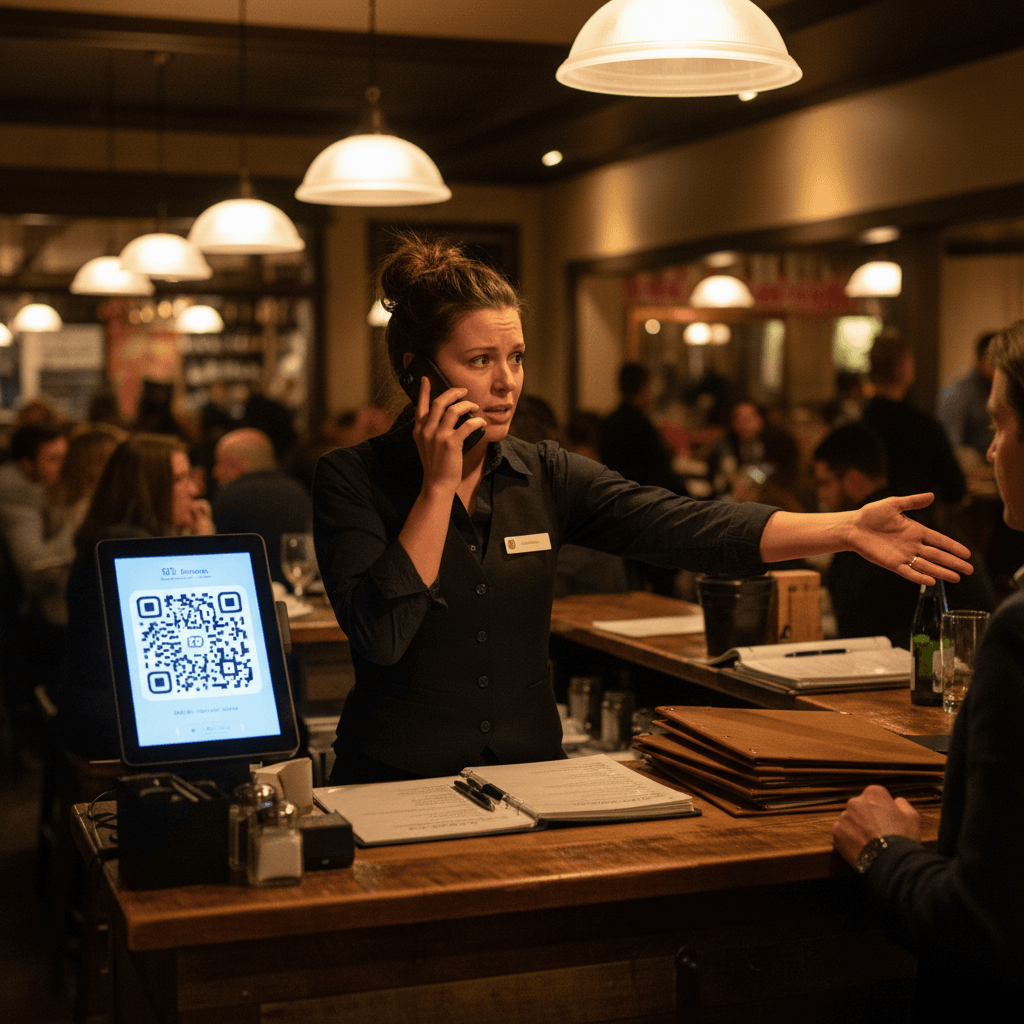
You feel it at 7:15 PM on a Friday. The sauté station has three pans going. The grill is full. Then a server walks back with that familiar question mark on their face. "Table six wants to know if the fries are safe?" The fry cook looks at the shared oil, hesitates, and says he needs to ask the manager. Meanwhile, two more tickets print with gluten-free modifications. The entire kitchen rhythm stutters.
This operational friction isn't just about safety - it's about flow. Each interruption costs real time during your most profitable hours. The solution requires moving beyond menu disclaimers to building a kitchen-first system that works under pressure. This connects directly to the comprehensive approach we detail in Allergen Safety: Beyond the Menu Card, which shows how to protect guests without sacrificing speed during your busiest shifts.
The Color-Coded System That Cuts Confusion
Hard Truth: Your menu cards lie. Items marked gluten-free often share fryers, cutting boards, or utensils. The real system lives in your kitchen's physical workflow, not on your printed menu.
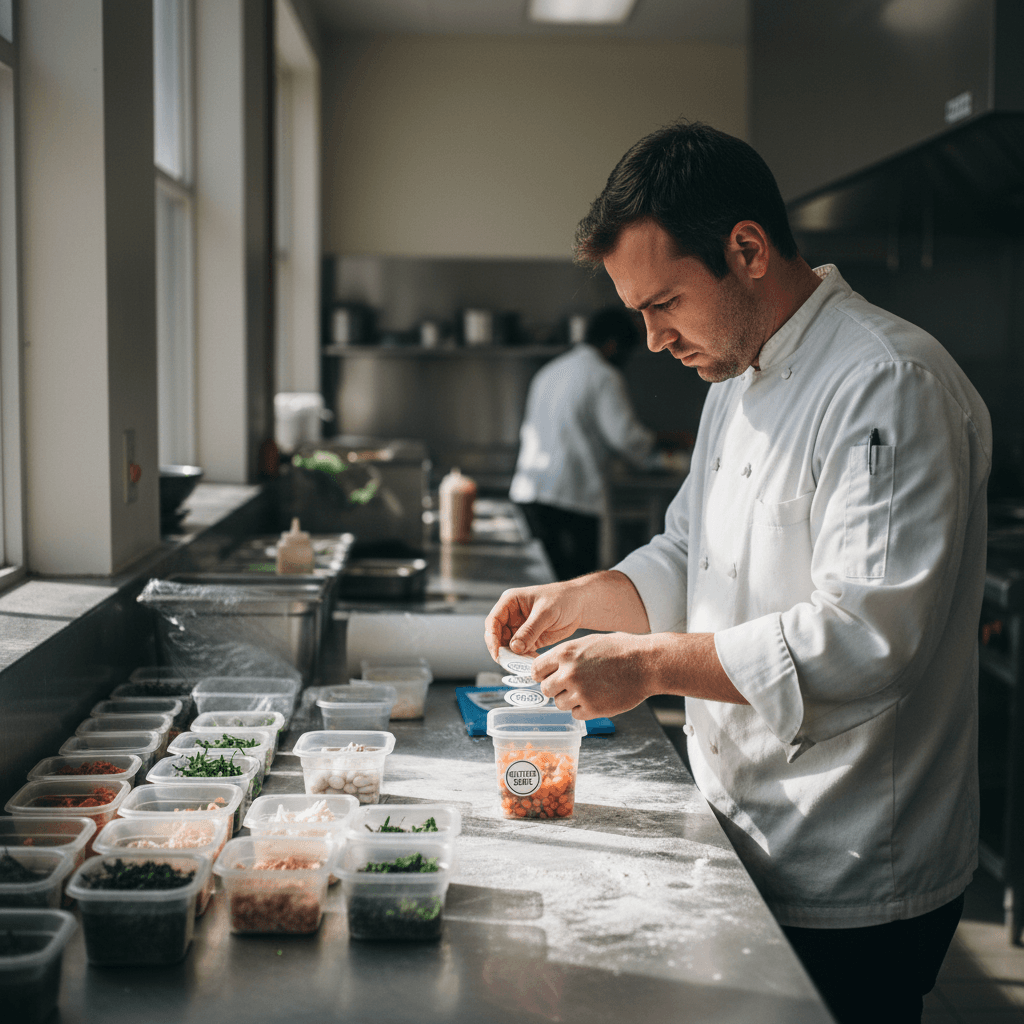
Start with colored tape on every container in your mise en place. Green for gluten-free, red for contains gluten. Train your team that green means 'never touches gluten' - dedicated utensils, separate storage, clean hands before handling. This isn't a suggestion. It's the rule.
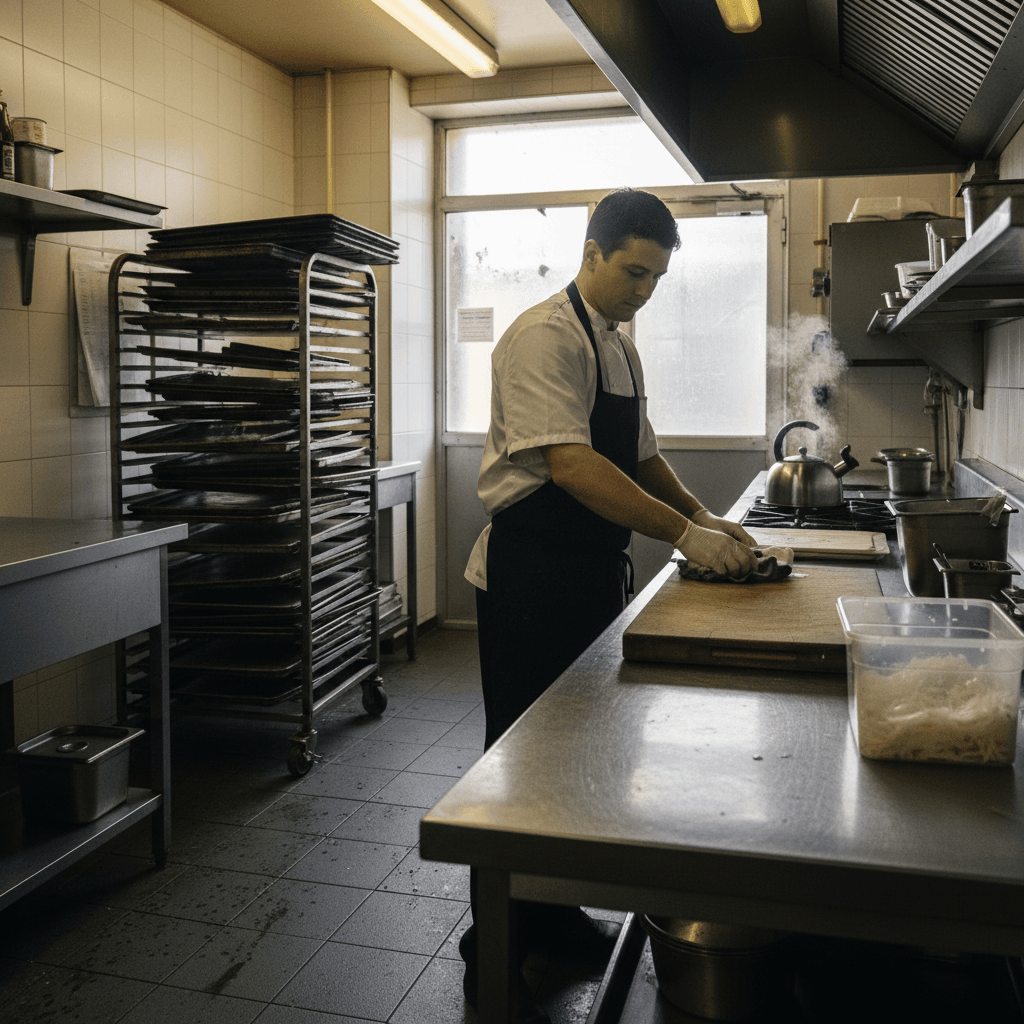
During prep, the dishwasher runs green-taped containers first thing in the morning before any gluten-containing items touch the sink. Your prep cook uses green cutting boards only for gluten-free items - and stores them separately from the red boards. The fry cook knows which fryer is gluten-free only - and marks it with green tape on the basket handle so anyone can identify it instantly.
The Rule: Color means commitment. If something has green tape, it never contacts gluten at any point in its journey from storage to plate. This eliminates guesswork during service because the visual cue does the thinking for your team.
When Your Memory Fails During The Rush
The color system works beautifully until Friday night when three gluten-free tickets hit at once during the dinner rush. Your sauté cook grabs the wrong spoon from the shared utensil bin. Your grill cook forgets which side of the grill was cleaned for gluten-free items after cooking regular buns. Suddenly you're relying on memory during peak stress - the exact moment accuracy matters most.
Every manual system has this breaking point. Colored tape fades or peels off after repeated washing. Staff rotate stations without proper handoff. New hires miss the training session where you explained the system. The visual cues that worked perfectly during the calm 4 PM prep disappear in the 7 PM chaos when everyone is moving fast.
This is where most kitchens experience their near-misses. A server assumes something is safe because it was yesterday. A cook uses a 'mostly clean' spatula because the dedicated one is across the kitchen. These small compromises create real risk because they happen when you're least able to catch them.
From Kitchen Chaos To Guest Confidence
The solution isn't more tape or stricter rules shouted across a busy kitchen. It's building failsafes into your daily rhythm so safety becomes automatic, not something your team has to remember.
Morning briefing includes physically checking all gluten-free stations - verifying tape is fresh, dedicated equipment is clean and in place, and everyone knows today's specials that affect allergen status. Shift change includes verifying labels are fresh and visible - this takes 90 seconds but prevents hours of confusion later. Closing includes resetting all dedicated equipment so tomorrow's opening crew starts with a clean slate.
When guests see consistent labeling from digital menu to plate presentation, they trust your kitchen implicitly. Servers stop second-guessing every order because they've seen the system work shift after shift. The line moves smoothly because everyone knows exactly what's safe and what isn't without having conversations across a noisy kitchen.
Start tomorrow with one station - maybe your salad prep or fry station where cross-contamination risk is highest but control is easiest. Get that station 100% right before expanding to others. Consistency beats complexity every time when building food safety systems that actually work during service.
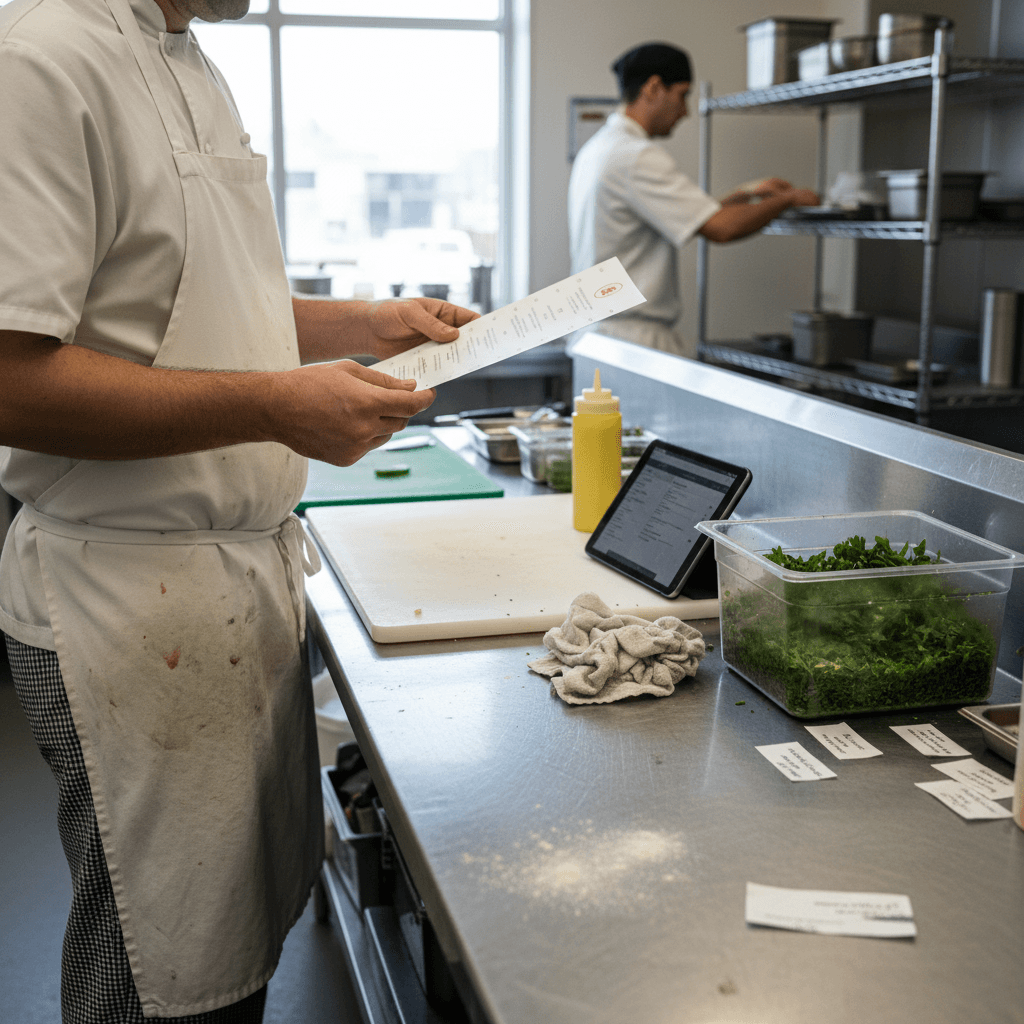
Manual systems require discipline and daily reinforcement to maintain their effectiveness over time. For operations looking to reduce that maintenance burden, modern kitchen display systems can automate label verification and alert teams to allergen requirements before food touches a pan, turning what was a memory test into a visual prompt that works even during peak rush.
Taking the Next Step
Building reliable gluten-free labeling starts with committing to one consistent visual system and training your team to use it without exception during every shift.
The logic is clear: visual cues work faster than memory during busy service, and consistency builds guest trust over time.
Implementing this system requires no special technology - just colored tape, clear rules, and daily reinforcement during pre-shift meetings. To see how digital tools can help maintain this consistency as you scale, view our pricing options or start a free trial to test integration with your current kitchen workflow during your next busy weekend service