Find Your Restaurant's Break Even Point
Stop guessing when you'll turn profit. Learn to calculate your restaurant's exact break even point using simple math you already know.
When Guessing Costs You Money
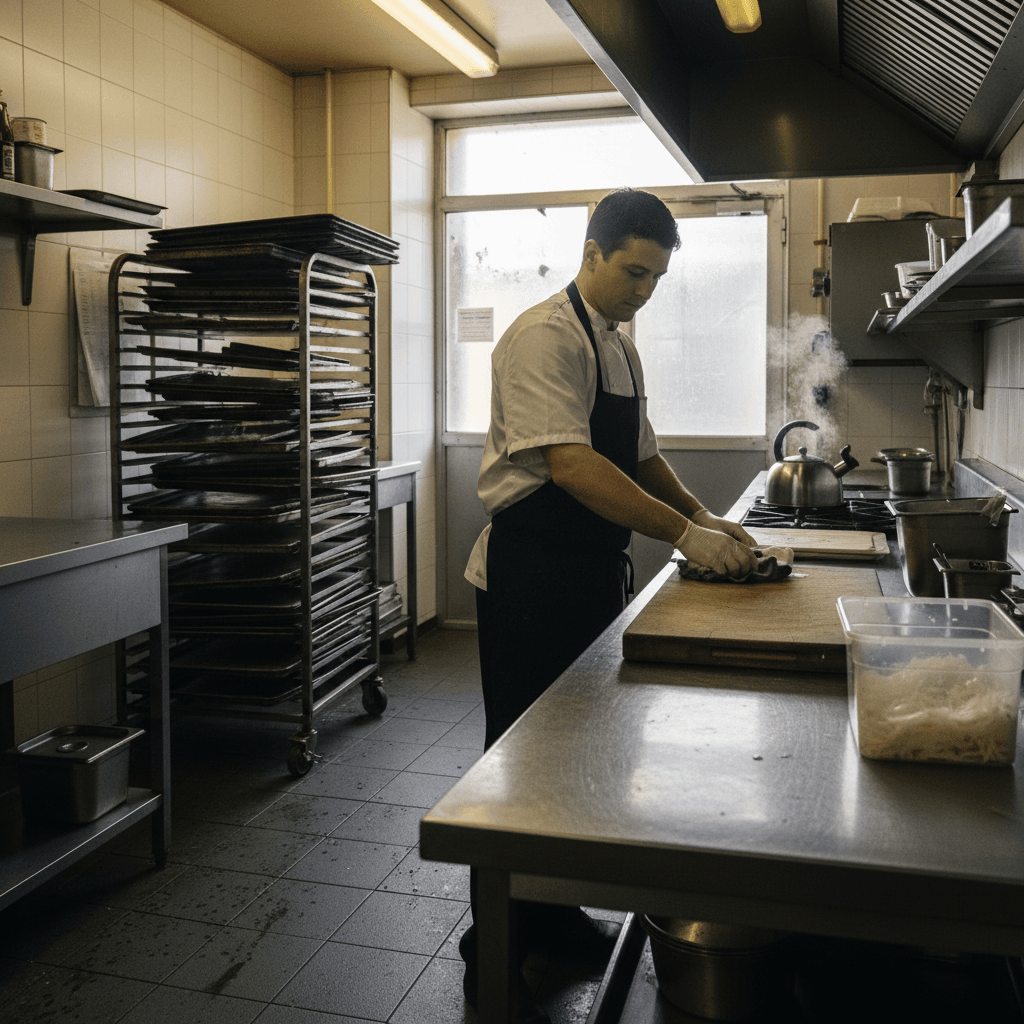
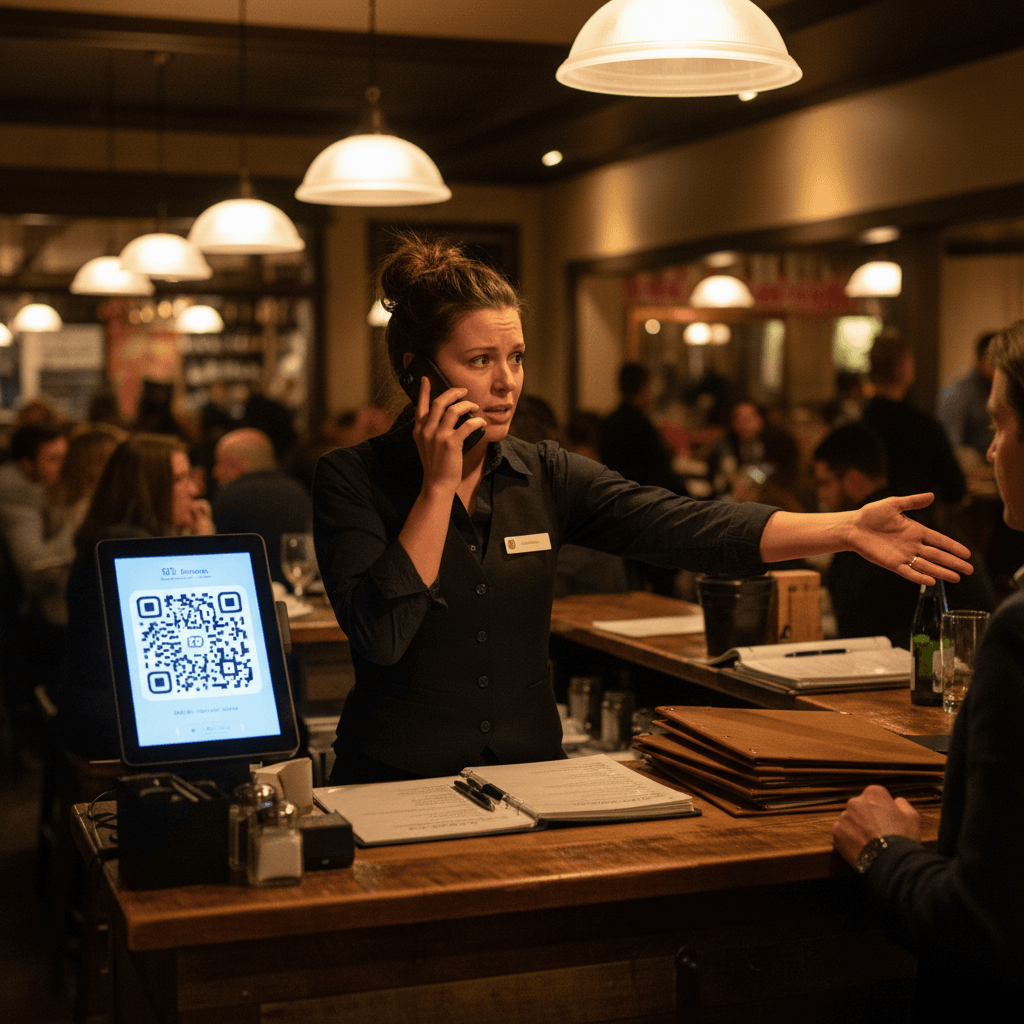
Find Your Restaurant's Break Even Point when the dinner rush is crashing down around you. It's 7:45 PM on a Friday. The expo is calling three orders at once, the line is sweating, and you're mentally calculating if tonight will finally be the week you cover payroll. You track sales, watch food costs, but still wonder: 'Are we making money yet?' This isn't a quarterly board meeting question. It's the tension in your shoulders every night when you lock the door.
That uncertainty costs real dollars every month. You make decisions in the dark. Should you run the steak special? Can you afford another dishwasher? You're guessing with real money because you don't know your exact financial finish line for the day, the week, or the month. This connects directly to building a system of clear numbers, which we break down in our guide on Restaurant Reports That Actually Work.
The 15-Minute Math That Changes Everything
Break even isn't complicated accounting. It's simple division you learned in school. Here's the hard truth: If you can't calculate your break even in under 15 minutes, you're managing blind. You're driving a car without a fuel gauge, hoping you have enough to get home.
We'll walk through three numbers you already track. First, your fixed costs. This is rent, salaries, insurance - the bills that don't change if you serve one customer or one hundred. Second, your variable costs, primarily your food cost percentage. Third, your average check size.
Let's use real numbers. Your monthly fixed costs are $15,000. Your food cost runs 30%. Your average guest check is $25.
The math works like this: Each $25 check has $7.50 in food cost (that's 30%). That leaves $17.50 from each check to cover your fixed costs. You take your total fixed costs ($15,000) and divide by that $17.50 contribution per check.
$15,000 / $17.50 = 857 checks.
You need to serve 857 customers in a month to cover all your costs. Everything after that is profit.
Why Manual Math Falls Short
You can do this calculation once on a quiet Tuesday afternoon. But restaurants change daily. The number you calculated last month is already wrong.
New menu items shift your average check. That new $18 burger special just raised your overall average from $25 to $26 overnight. Seasonal staff changes affect labor costs - your fixed cost number just moved. That Friday night seafood feature? It changed your food cost percentage because fish is more expensive than chicken.
This creates decision paralysis. Should we add that new appetizer? The math says yes if it raises the average check enough to cover its food cost faster. But without current numbers, you're guessing.
Should you hire another server for weekends? If you know you need 29 more covers on Saturday to hit your weekly goal, the answer becomes clear. Manual math gives you a snapshot. Your restaurant is a movie.
From Calculation to Daily Decision Tool
The real power comes when break even moves from a quarterly spreadsheet to a daily reality on your floor.
When your host knows you need 29 more covers tonight to hit the daily break even point, service changes. They stop saying "just two?" and start saying "table for four right this way." They understand that every seat matters toward a concrete goal.
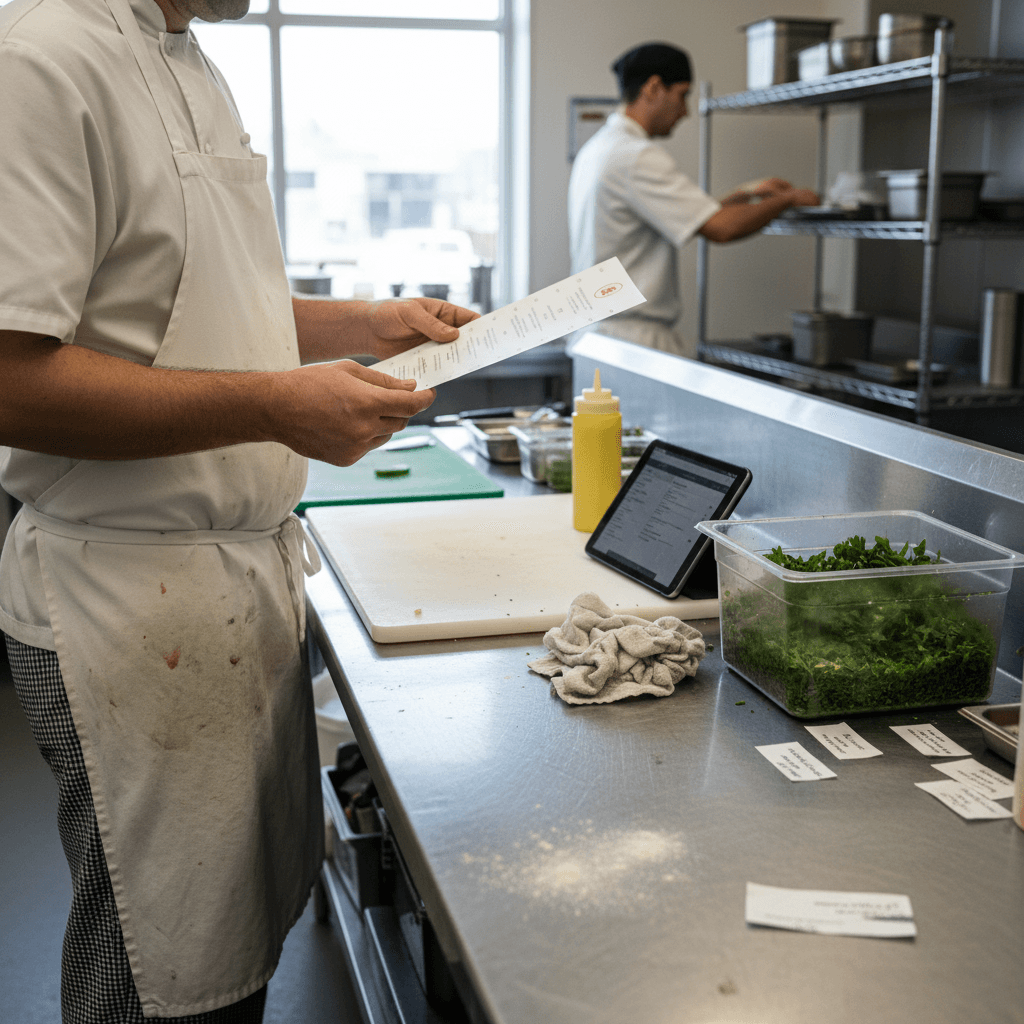
When your kitchen knows which items push you past break even soonest, prep changes. They prioritize prepping the high-contribution dishes first. A server suggesting a profitable appetizer and dessert isn't upselling - they're helping the team cross the finish line faster.
Your next step isn't more math on paper. It's connecting this number to your pre-shift meetings and daily goals.
Start tomorrow by calculating today's break even based on yesterday's actuals, not last month's estimates. Take yesterday's fixed cost per day (monthly rent divided by 30). Use yesterday's actual food cost percentage from your sales report. Use yesterday's actual average check.
Now you have today's real target.
The Rule: Your daily break even number must be written on the kitchen whiteboard before the first shift arrives. Everyone who works that day needs to see it and understand what it means for their role.
This turns abstract finance into team sport. The dishwasher knows that reducing plate waste by 5% lowers food cost, which means fewer covers needed to break even. The bartender knows that guiding a guest to a higher-margin cocktail directly helps the bottom line.
This manual system requires discipline. You need someone to run the numbers daily and communicate them clearly. It means training every team member on how their specific actions affect the single most important number of the day.
For many restaurants, maintaining this daily discipline manually becomes the new challenge. The repetitive calculation, data gathering from different systems, and communication can eat into the time needed to actually run service.
This is where modern restaurant technology provides leverage. Digital tools can automate pulling yesterday's sales data, calculating real-time food cost percentages, and generating that daily target number automatically. The right system turns what was a 15-minute daily management task into a glance at a dashboard, freeing you to focus on coaching your team toward the goal instead of calculating it.
Taking the Next Step
This shift from guessing to knowing is practical and its logic is clear. You have the numbers already; they just need to be arranged correctly and put in front of the right people at the right time.
Stop wondering if tonight will be profitable and start knowing how many covers it takes to get there. To see how this fits into your operation, view our pricing or start a free trial and put today's real break even number on your kitchen wall tomorrow morning