Find Your Most Profitable Hour
Stop guessing when you make money. Learn how to track hourly profitability and schedule smarter to boost your bottom line.
The Hidden Cost of Busy Hours
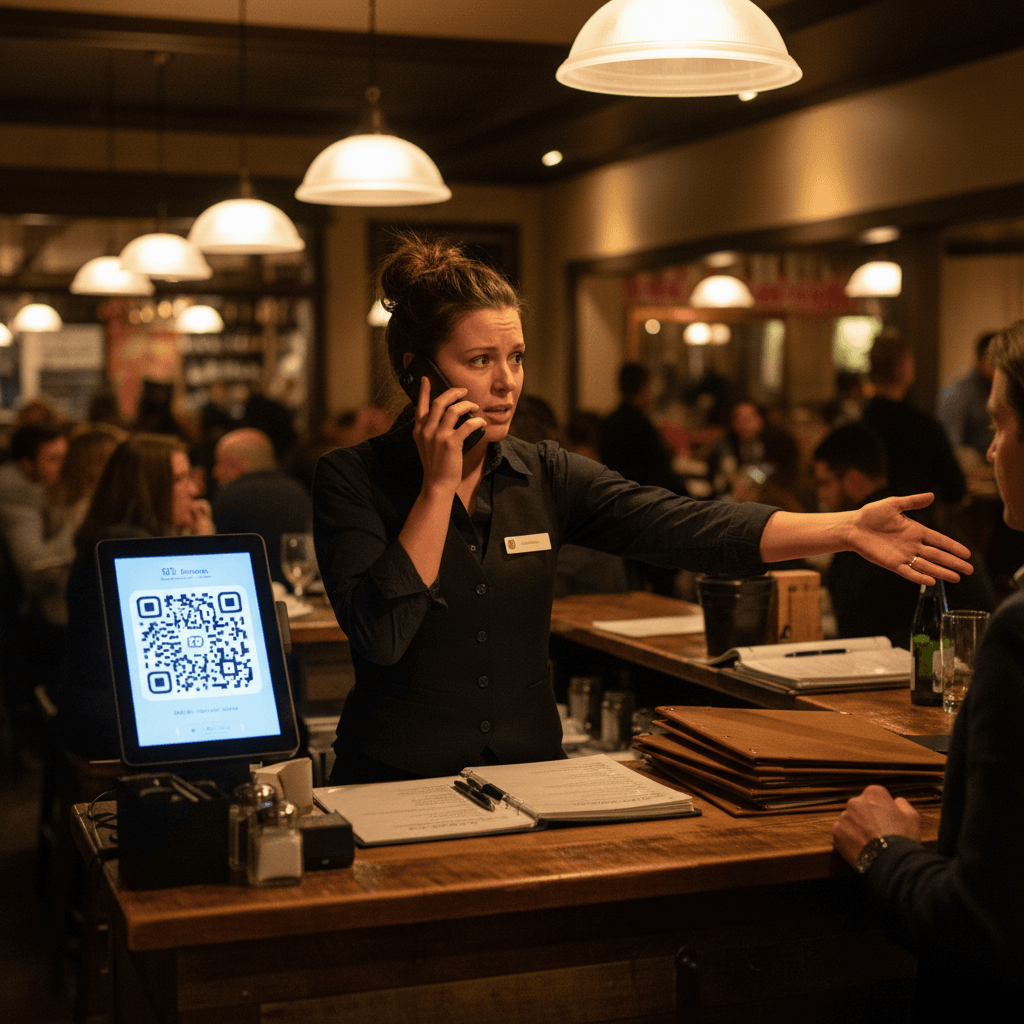
Find Your Most Profitable Hour starts with a simple question you can ask during any rush. It's Friday at 7:15 PM. The expo is calling three orders at once. A server is running back to the kitchen because a guest said their steak is overcooked. The line cook is starting to rush, dropping a portion of fries on the floor. The manager is comping a dessert to smooth over a long wait time. Everyone is moving fast, and the sales screen is ticking upward. This feels like profit. But what you're seeing is revenue, not profit. The chaos of peak service hides real costs that eat directly into your margin.
Every restaurant owner knows the Friday dinner rush feels profitable. But what if your busiest hours are actually your least profitable? The chaos of peak service hides real costs - overtime pay, rushed mistakes that lead to comps, and food waste from overproduction. That 7 PM rush where you're turning tables twice might be costing you more than the quiet 5 PM hour you dread. You're paying time-and-a-half for that seasoned cook to stay through the chaos. You're writing off that steak and remaking it. You're throwing away the extra mise en place you prepped "just in case." These are direct hits to your bottom line that don't show up on the sales report. This granular view of profitability is one piece of a larger system for managing your numbers, which we break down in Restaurant Reports That Actually Work.
The Rule: Total sales do not equal profit. Revenue is what comes in the door. Profit is what stays in your bank account after every cost is paid. Confusing the two is the most common and expensive mistake in restaurant management.
Track What Actually Makes Money
The hard truth: total sales don't equal profit. You need to track contribution margin by hour - that's what's left after food cost for each dish sold. A $16 steak that costs $5 to plate has an $11 contribution margin. Now track that by hour.
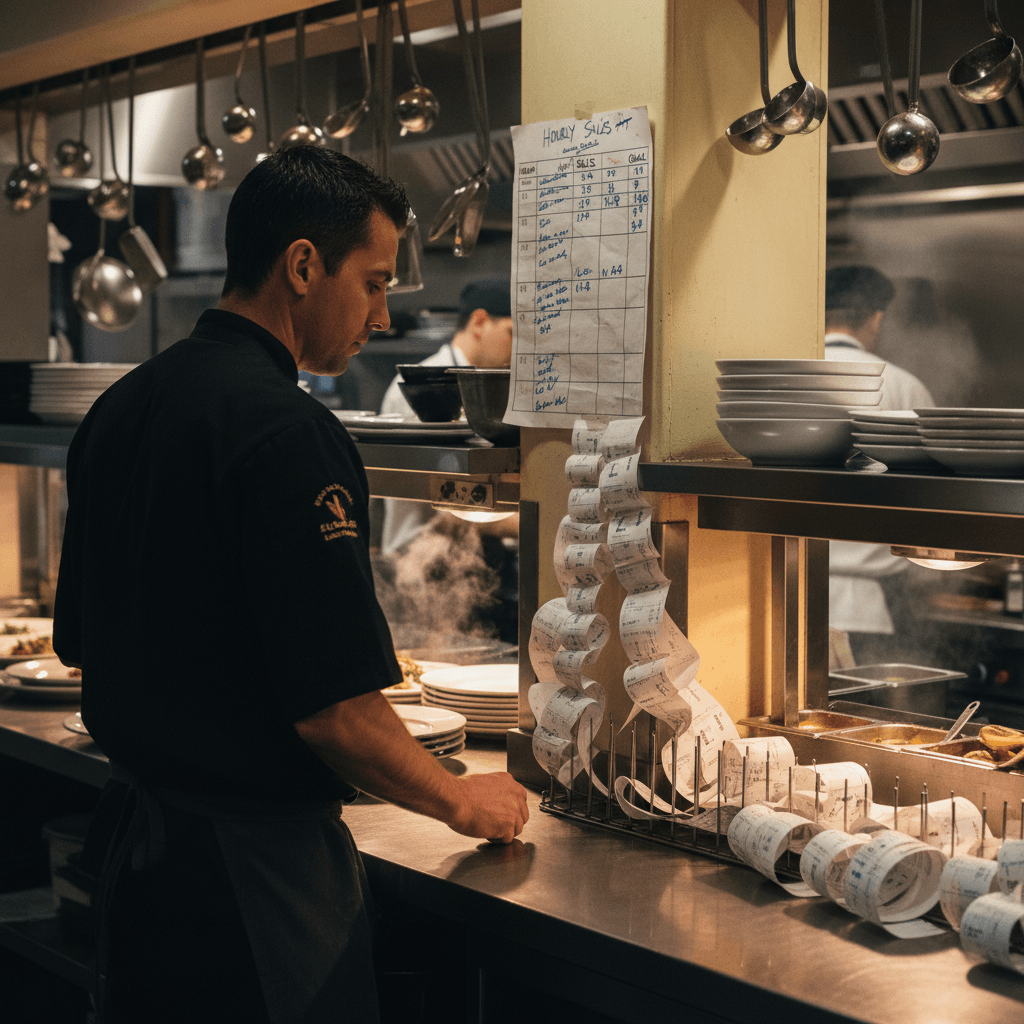
Start with a simple spreadsheet for two weeks. Create columns for each hour of service: 5 PM, 6 PM, 7 PM, etc. For each hour, you need four numbers. First, total sales from tickets time-stamped in that hour. Second, the number of covers served. Third, the labor cost for that exact hour - this means calculating the wage cost for every employee scheduled, including any overtime triggered during that period. Fourth, track food waste attributed to that shift - the fries dropped on the floor, the over-portioned protein sent back.
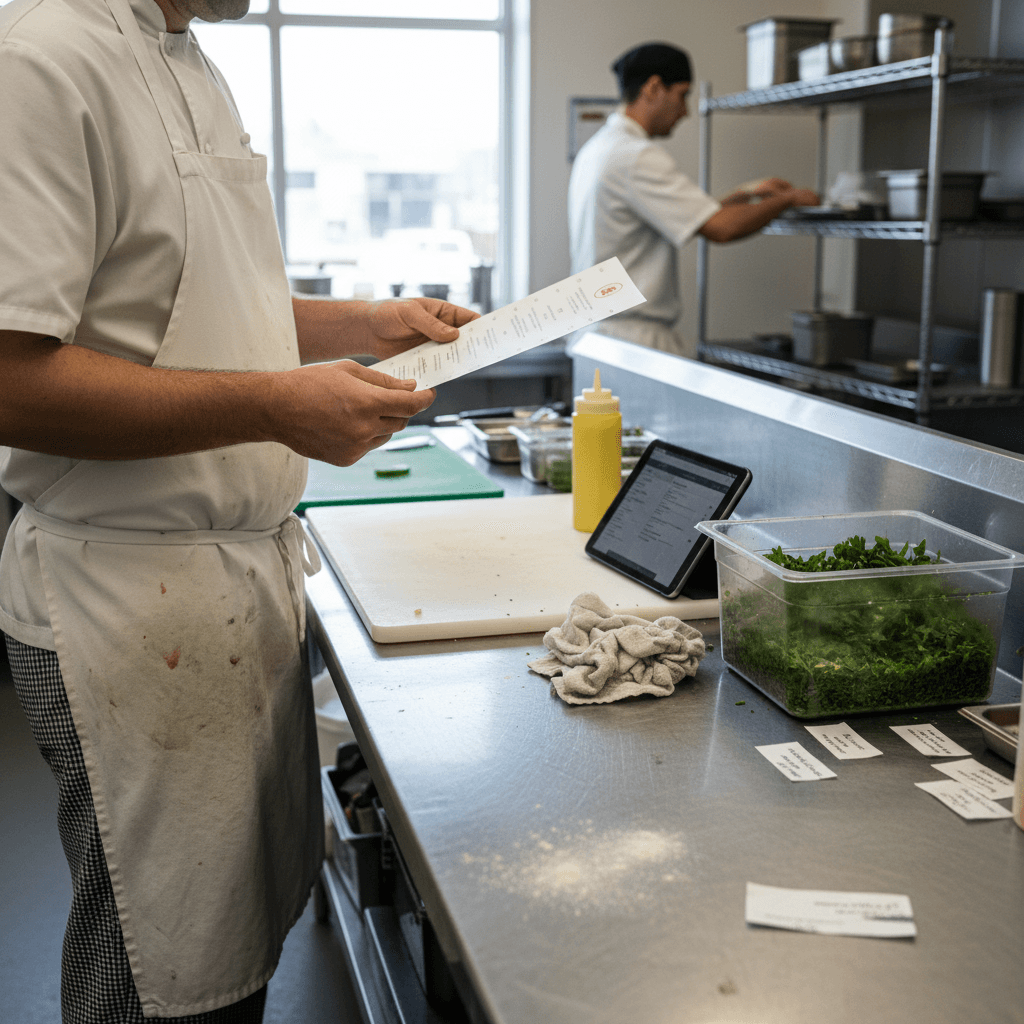
Do not estimate. Pull the data from your POS for sales and covers. Use your schedule and time cards for labor. Have your kitchen lead keep a waste log on a clipboard during service, noting what was thrown out and why. This manual process is tedious but essential. It shows you the real story.
You will see patterns immediately. The 6 PM hour might have moderate sales but fantastic margins because your A-team is fresh and waste is low. The 8:30 PM hour could have high sales but terrible margins due to comps, remakes, and exhausted staff making mistakes. This data shifts your focus from "busy" to "profitable."
When Manual Tracking Breaks Down
The problem hits when you try to act on this data. You spend Sunday afternoon compiling last week's numbers into your spreadsheet. You discover your 8 PM hour has high sales but terrible margins because of comps and overtime.
You want to adjust next week's schedule or prep levels based on this insight. But by the time you've finished analyzing, you're already writing next week's schedule. The manual tracking becomes another spreadsheet that sits unused because it takes too long to analyze and act on. The data is historical, not actionable.
This creates a frustrating gap between knowing and doing. You know you should schedule another server at 7:30 PM instead of 8:30 PM to handle the pre-rush and set tables up for success. You know you should prep less beurre blanc for the late-night shift because it gets wasted when orders slow down. But without a fast way to see these patterns, you default to your old habits - schedule for covers, prep for the busiest forecast.
The manual system breaks down because it's reactive. It tells you what went wrong last week, not what to do differently tomorrow morning before prep starts.
From Data to Daily Decisions
The real win comes when hourly profitability informs tomorrow's prep list, not next month's report.
Use your findings to make one concrete change each week. If your 6 PM hour is your most profitable, schedule your strongest server during that window, not just during the 8 PM sales peak. Their skill in upselling and managing tables will maximize the margin during that golden hour.
Look at your waste log from low-margin hours. Prep less of the high-waste items for those specific times. If you consistently throw out house-made potato chips after 9 PM, stop making a fresh batch at 8:30 PM. Offer a different late-night snack.
Test changing one menu item's placement based on your hourly data. Move a popular but low-margin appetizer to happy hour only where it drives traffic, instead of letting it crowd out higher-margin items during dinner prime time.
This turns numbers into actions that happen before the next shift starts. You are no longer managing by gut feeling or total sales volume. You are deploying resources - staff, food, menu space - toward your most profitable moments.
The discipline of manual tracking establishes the critical habit of thinking in terms of contribution margin per hour. Once this mindset is ingrained, technology can remove the heavy lifting.
Modern restaurant platforms can automate this entire workflow. Your POS and scheduling software can sync data in real-time, showing a live view of sales versus labor cost by hour without manual spreadsheets. Digital inventory tools can track waste against specific time blocks automatically. This automation takes the weekly analytical grind off your plate, letting you focus on making the decisions - like which server to schedule at 6 PM - rather than compiling the data.
Taking the Next Step
Finding your most profitable hour is not about complex theory. It's a practical shift from managing revenue to managing margin. The logic is clear: deploy your best people and most careful prep during the times they generate the most actual profit, not just the most noise.
Stop guessing which shifts drive your bottom line. Use your existing data to build a simple hourly profile this week. Then explore how modern tools can automate that tracking for you. You can view our pricing for a system built around this exact operational insight or start a free trial to see live data from your next service shift