Chef Inventory Routines That Actually Work
Stop wasting hours counting stock. Learn the chef inventory routines that save time during Friday dinner rush and prevent line cooks from waiting.
The Hidden Cost of Friday Night Shortages
Chef inventory routines that actually work start by understanding what happens when they don't. Picture this: it's 7:45 PM on a Friday. The expo calls for two more chicken parm. Your line cook turns away from the station, walks to the walk-in, and starts searching. That's not just wasted time. It's lost revenue. Every minute spent searching for missing ingredients means tickets back up, servers get frustrated, and guests wait longer. The real problem isn't the shortage itself - it's the broken routine that caused it.
This is a system failure, not a people problem. Your cook isn't slow. Your system is broken. When your line stops moving, everything stops making money. This connects directly to the bigger picture we cover in Kitchen Speed: When Your Line Cooks Are Waiting, which breaks down how slow kitchens are really about broken systems, not lazy cooks.
The cost is mathematical. If your cook spends three minutes finding chicken during Friday rush, that's three minutes of lost cooking time. Three minutes where six other tickets aren't getting plated. Three minutes where servers can't run food and tables can't turn. The shortage didn't start at 7:45 PM. It started Tuesday morning when someone didn't count correctly.
Your 15-Minute Daily Count That Works
The hard truth: weekly inventory counts are useless. By Friday, you're already out of stock on Tuesday's items. Your line cook walking to the walk-in is just the final symptom. Instead, do a focused 15-minute daily count of your top 20 moving items.
These are your workhorses - the proteins, sauces, and garnishes that make or break service. Count them first thing every morning before prep starts. This isn't about tracking every single item - it's about knowing what you'll run out of today.
The Rule: Count what moves, not what sits. Your olive oil might last a month. Your romaine hearts get used every day. Your top 20 items change with your menu and season. In summer, it's burger patties and brioche buns. In winter, it's braising cuts and root vegetables. Your daily count sheet should be a living document that matches what you're actually selling.
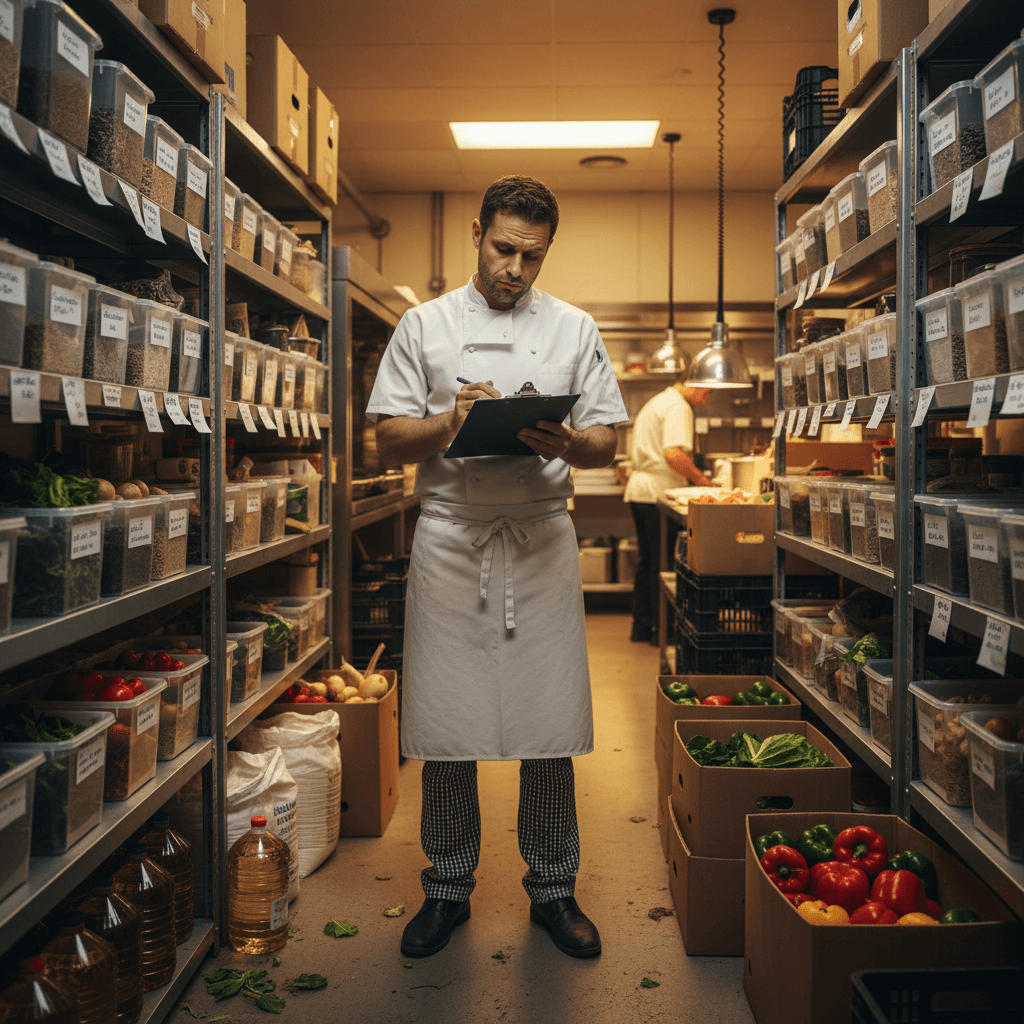
Here's how it works on the floor. Your opening manager grabs the clipboard at 9 AM. They walk directly to the protein cooler and count chicken breast, salmon portions, and ground beef. Then they check the sauce station for house dressing, aioli, and demi-glace. Finally, they verify garnish items like chopped parsley and lemon wedges. The whole process takes 15 minutes because they're not counting everything - just the critical path items.
This daily rhythm creates predictability. Your prep cook knows exactly how much romaine to wash because the count says you have two cases left and you'll need four for tonight's service. Your line cook doesn't wonder if there's enough chicken - they saw the count sheet at the start of their shift.
When Paper Stops Working
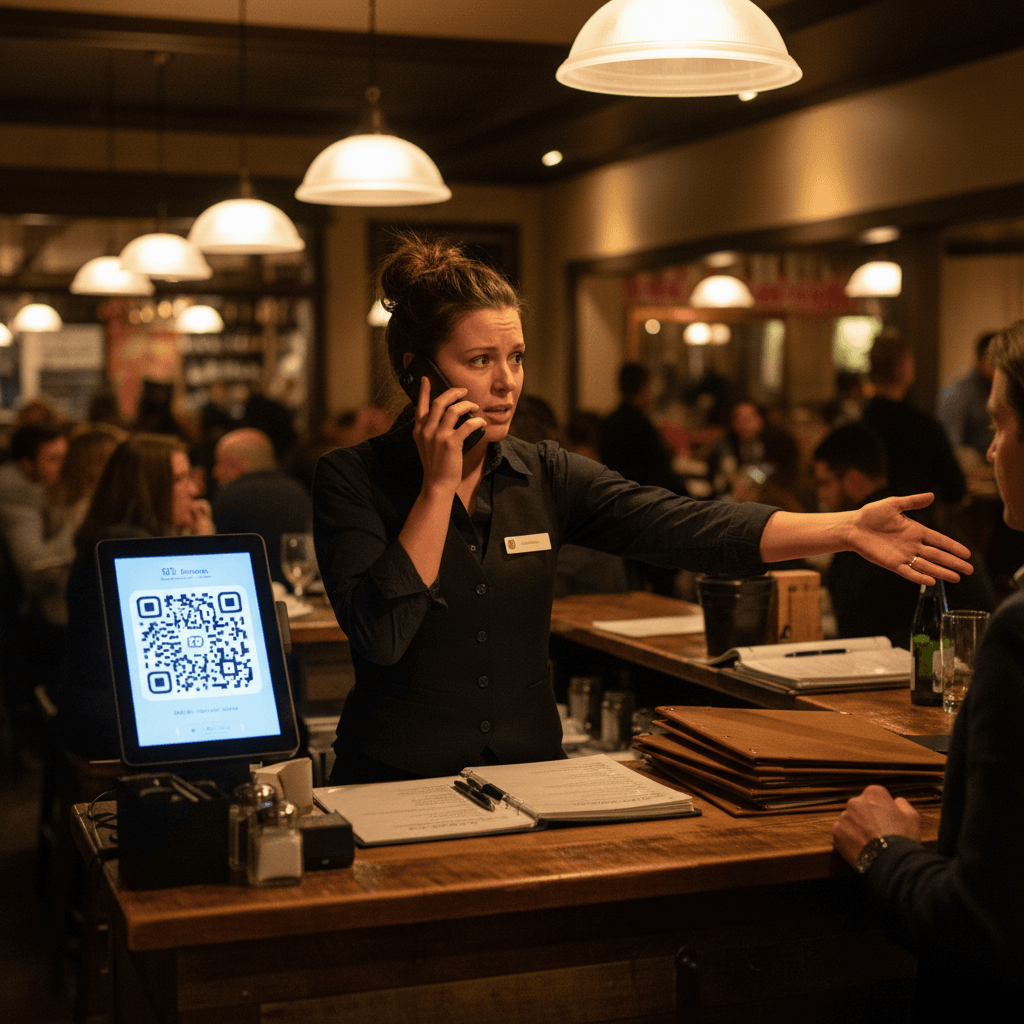
Your clipboard system works until you have three cooks needing information at once. The expo calls for more chicken, the prep cook needs to know how much romaine to wash, and you're trying to place tomorrow's order all at 10 AM.
Paper can't update in real time. You end up with duplicate counts where two people think they're responsible for tracking the same item. You get missed items because someone forgot to check the dry storage area. And you get that familiar Friday scramble when three tables order the same special that you thought you had plenty of.
The breakdown happens during transition periods. Your morning manager counts at 9 AM. But your afternoon prep crew uses ingredients between 2 PM and 5 PM that aren't reflected on the morning sheet. When dinner service starts at 6 PM, your count is already six hours out of date on key items.
Paper also creates communication gaps. The count sheet might say "low on salmon" but doesn't specify what "low" means. Is it two portions left or two cases? Different people interpret it differently. Your sous chef might think there's enough for service while your line cook knows they'll run out by 8 PM.
The physical limitation is real space and time. You can only have one clipboard in one place at one time. When your expo needs to check stock during service, they can't leave their station to find the clipboard. They either guess or send a runner - both options waste time and create errors.
The System That Keeps Your Line Moving
What if your inventory count automatically told your prep list what to make? Imagine starting Monday morning knowing exactly what ran low over the weekend without touching a clipboard or asking five different people.
The goal isn't more counting - it's less guessing. Your line cooks should spend their time cooking, not searching for ingredients or trying to remember if someone counted something yesterday.
Build your system around visibility and accessibility. Everyone who needs information should get it without asking permission or hunting for paperwork. This means putting counts where people actually work - near the line, at the prep station, by the ordering computer.
Create clear thresholds that trigger action. "Low" should mean something specific: "Order when below two cases" or "Prep more when below one hotel pan." These thresholds should be written down and visible to everyone who handles that item.
The Rule: Information must flow without meetings. Your prep cook shouldn't need to find a manager to know what to prep next week Tuesday night specials . They should be able to look at yesterday's sales data and today's count sheet and make logical decisions about tomorrow's needs.
Connect your counts directly to your ordering schedule . If you count chicken every morning , you should know by Wednesday whether you need to adjust Thursday 's order . This prevents weekend shortages before they happen . It also helps with cash flow because you 're not over-ordering items that move slowly .
Standardize your counting locations . Put chicken breast always in the same spot in the walk-in . Store house dressing always in the same size container . When items have consistent homes , counting takes seconds instead of minutes . More importantly , finding them during service becomes automatic instead of a search mission .
Manual systems require discipline , but digital tools can automate this workflow . Modern inventory tracking software can connect your daily counts directly to prep lists and purchase orders . These systems eliminate duplicate data entry and give everyone real-time visibility into what 's actually available during service .
Taking the Next Step
These routines work because they're practical , not theoretical . They address specific moments in your service where time gets wasted and money gets lost . The logic is clear : know what you have before you need it , communicate it clearly , and build systems that prevent search missions during rush .
If paper counts are creating communication gaps during your busiest shifts , digital inventory tools can provide that real-time visibility your team needs . You can view our pricing to see how automated tracking fits into your operation , or start a free trial to test how connected counts keep your line moving next Friday night .