Calorie Counting on Menus: The Hidden Labor Cost
Calorie counts on menus create more than transparency. They create hours of hidden labor. Here's how to manage the math without breaking your prep schedule.
The Math That Eats Your Morning Prep
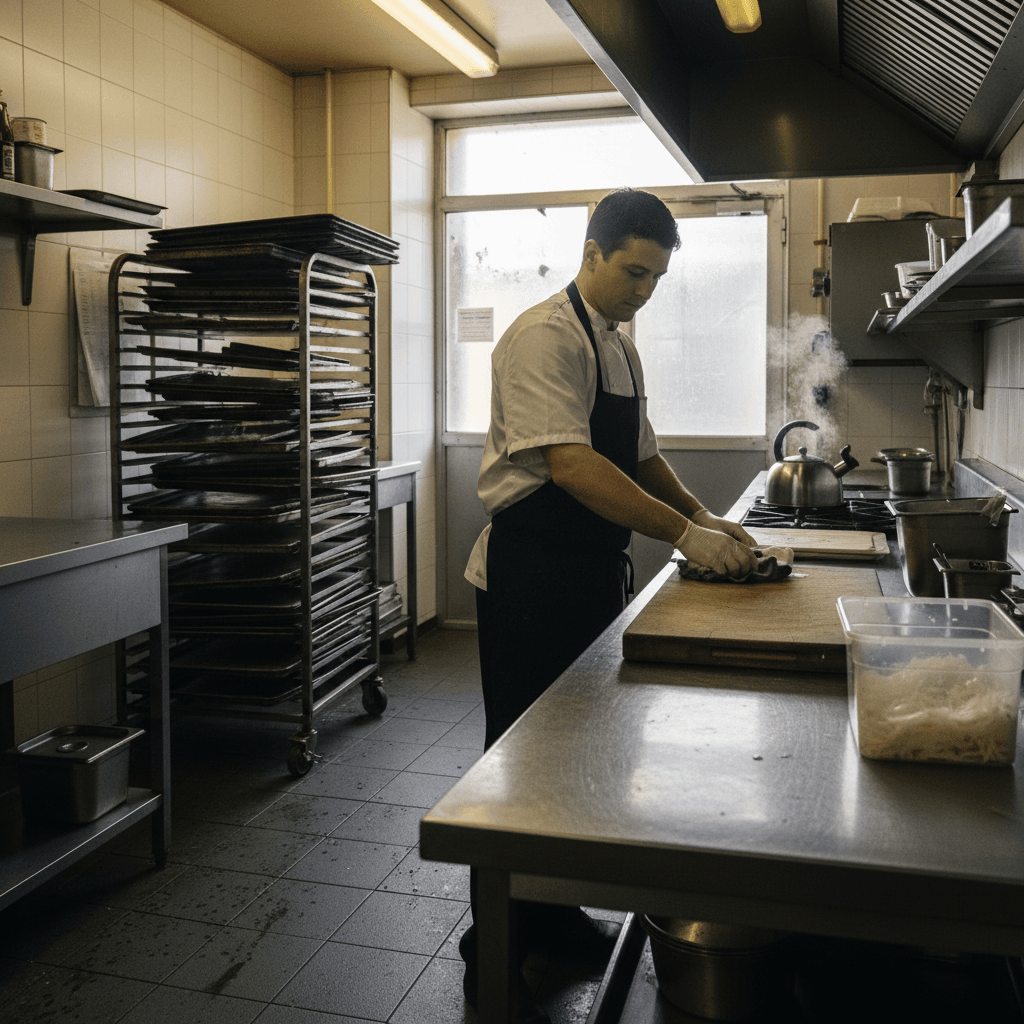
It's 8:45 AM on a Tuesday, and your prep cook should be dicing onions. Instead, they're staring at a spreadsheet, converting ounces to grams for the third time this week. Calorie Counting on Menus: The Hidden Labor Cost starts right here, in the quiet hour before service when math replaces mise en place.
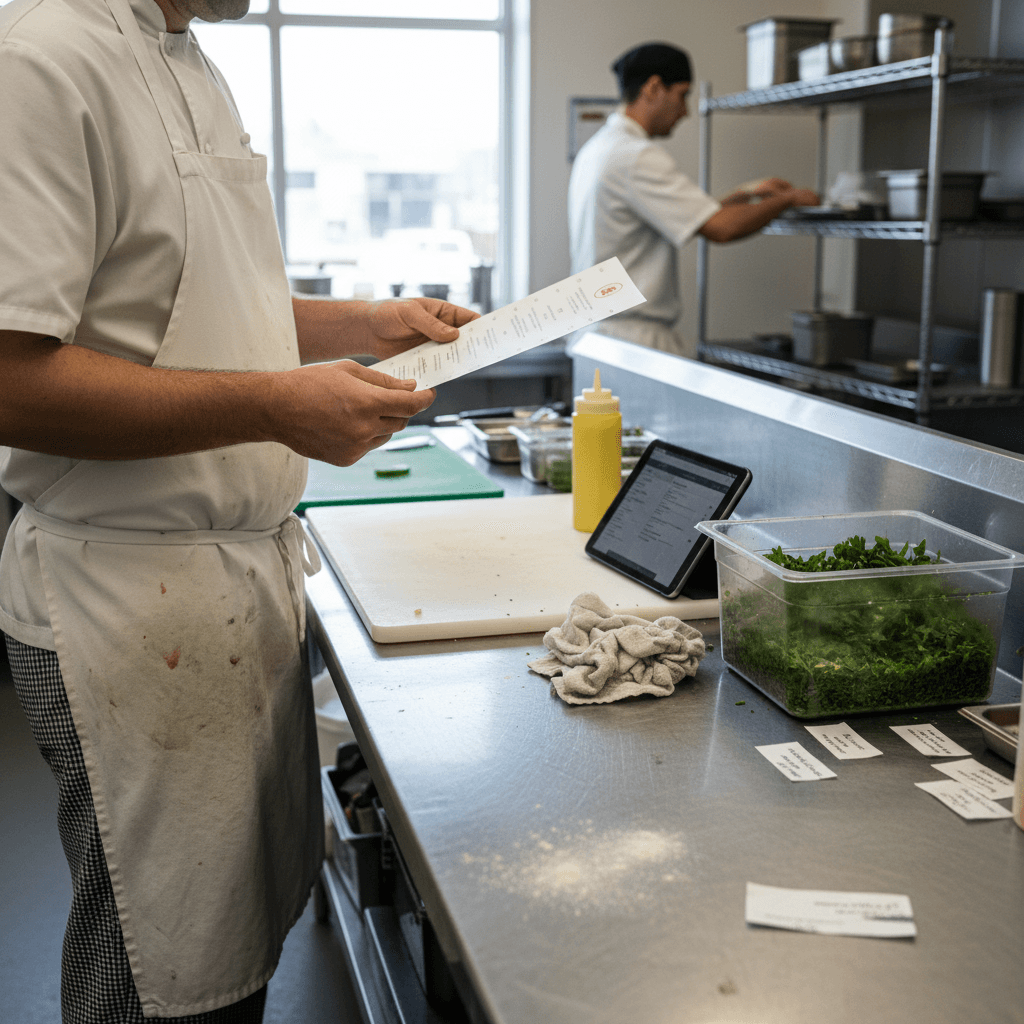
Every calorie count begins with a spreadsheet. You're not just listing ingredients anymore - you're tracking grams, ounces, and percentages. The burger isn't just beef and bun. It's a 6oz patty (85/15 blend), 1.5oz brioche bun, 0.75oz lettuce, 1oz tomato, and 0.5oz sauce. Each component needs measurement and calculation.
Multiply that by your entire menu. Suddenly your Tuesday morning prep includes two hours of calculator work instead of vegetable chopping. Servers ask about modifications during Friday rush - "Can I get that without cheese? How many calories then?" The math follows you into service, creating bottlenecks where speed matters most.
This nutritional transparency connects directly to guest safety systems. For building comprehensive kitchen protocols that protect guests during busy services, see our guide on Allergen Safety: Beyond the Menu Card. Both require systematic thinking that starts before the first ticket prints.
The Hard Truth: Perfect Accuracy Is Impossible
Here's what most consultants won't tell you: your calorie counts will never be perfect unless you're a chain with lab testing. Your olive oil varies by brand. Your chicken breasts differ in size. Your cooks add "a little extra" during plating when they think no one is watching.
Focus on reasonable accuracy instead of perfection. Use USDA averages for common ingredients like chicken, beef, and vegetables. Round to the nearest 5 or 10 calories - guests won't notice the difference between 485 and 490 calories, but you'll save fifteen minutes of decimal-point calculations.
Create standard portion sizes and train your kitchen to stick to them. Use portion scoops for rice and pasta. Keep a digital scale at the plating station for proteins. This isn't about scientific precision - it's about giving guests useful information without paralyzing your operation during the Saturday night rush when three tickets are hanging and expo is calling for pickups.
The Rule: Round to the nearest five calories for anything under 500 calories, nearest ten for anything over. Your spreadsheet time drops by half immediately.
When Manual Math Meets Menu Changes
The real bottleneck hits when you change your menu. That seasonal summer salad needs complete recalculation. The new pasta special requires fresh math with six different ingredients. Your specials board becomes a nutritional nightmare that eats thirty minutes of manager time every Thursday.
You're doing the same calculations repeatedly - protein times four, carbs times four, fats times nine. The formulas don't change, but the data entry never stops. Every recipe adjustment means reopening spreadsheets during your limited admin time between lunch cleanup and dinner prep.
This is where most restaurants give up or become inaccurate over time. The initial effort feels manageable until you're three menu revisions deep and still doing manual multiplication for twenty dishes while trying to count the cash drawer and check in the produce delivery.
The hidden cost compounds each season. Spring menu changes mean recalculating all winter comfort foods you're rotating out. Fall means updating summer salads while developing new braised dishes. Each change requires verifying every ingredient weight against your master spreadsheet, which may or may not be current after six months of small tweaks.
From Calculator to Kitchen Reality
The goal isn't perfect nutrition labels - it's practical information that helps guests without hurting your operation during peak hours when every second counts toward table turns and check averages.
Start with your top five selling items first. These represent eighty percent of your orders anyway. Use simple tools like digital scales during recipe development, not after service when you're tired and rushing. Create a master ingredient list with calorie values per ounce or gram that everyone can access.
Consider software that does the automatic calculations for you when ingredients change. Look for systems that update all related dishes when you adjust a shared ingredient like your house sauce or bread recipe. When your romaine supplier changes and the weight per head differs slightly, the right tool recalculates every salad automatically instead of requiring manual updates across fifteen menu items.
Most importantly, communicate clearly with guests about what your numbers represent - they're estimates based on standard portions, not laboratory guarantees. Train servers to say "Our nutrition information is calculated using standard USDA averages" instead of "I'm not sure if that's exact." This protects your business while still providing valuable information for guests making choices.
The next step is finding tools that handle the repetitive math so you can focus on cooking and service instead of spreadsheet management during precious prep hours.
Taking the Next Step
Calorie counting becomes manageable when you separate what needs precision from what needs practicality. Start with your best sellers, use rounding strategically, and build systems that survive menu changes without consuming staff time better spent on guest experience.
The manual fixes work - portion control training, standardized recipes, clear guest communication - but they require consistent discipline across shifts and seasons. Modern restaurant technology can automate the repetitive calculations while maintaining accuracy across menu revisions.
If hidden labor costs are affecting your prep schedule and manager bandwidth, view our pricing for solutions designed specifically for kitchen operations. To see how automated nutrition calculations work in your actual recipes during your next menu planning session, start a free trial without disrupting current service.