Beyond Gluten-Free: Today's Dietary Restrictions
Dietary restrictions have evolved far beyond allergies. Here's your kitchen-ready guide to navigating vegan, keto, FODMAP, and 12 other modern needs during service.
When 'Allergy Alert' Isn't Enough Anymore
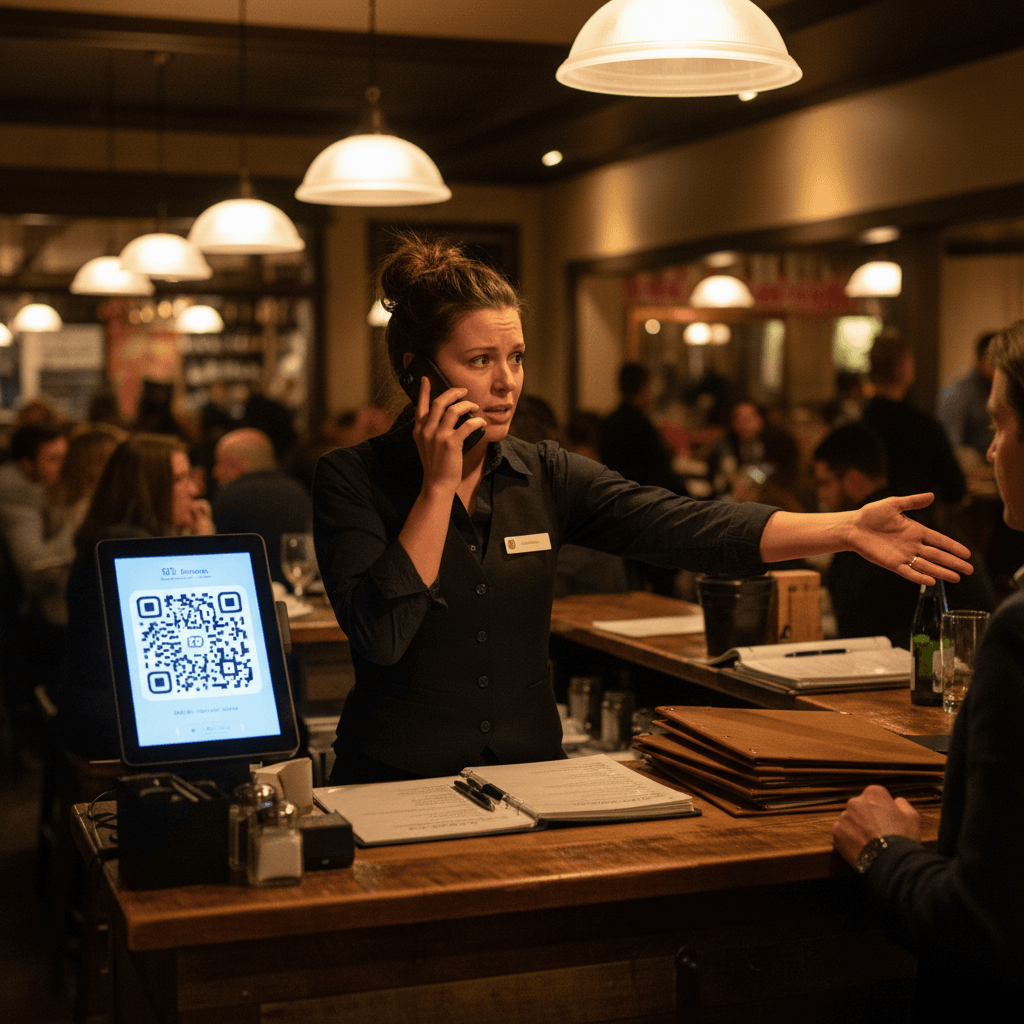
Beyond Gluten-Free: Today's Dietary Restrictions hit your expo station at 7:42 PM on a Saturday. The server just dropped a ticket with three separate modifications: one vegan, one keto, and one "low FODMAP, but only certain vegetables." The line cook looks at the ticket, then at you. The printer keeps spitting out more orders. This is the new normal. The old "allergy alert" button on your POS system was built for peanut allergies and shellfish. It cannot handle the explosion of dietary needs that now walk through your door every night.
Guests are not just avoiding allergens anymore. They are managing specific health protocols, following lifestyle diets, or navigating digestive sensitivities. During a busy service, a server asking "any allergies?" gets a five-minute explanation about nightshades and lectins. The kitchen hears "modification" and prepares for a simple substitution, not a complete rebuild of a dish. This mismatch creates chaos, slows service, and risks making someone genuinely sick. For the foundational system to handle true allergens - the nuts, dairy, and shellfish that cause immediate reactions - you need a kitchen-first protocol. That deeper strategy is mapped out in Allergen Safety: Beyond the Menu Card, which builds the walls around your most critical safety procedures.
The real pain point is communication breakdown under pressure. A server gets overwhelmed trying to remember the details of a paleo versus Whole30 request while taking a drink order. They shorthand it to "no grains" on the ticket. The cook, seeing "no grains," leaves off the croutons but misses that the salad dressing has soybean oil, which is also prohibited. The guest gets a plate that doesn't meet their needs, and you get a comped meal and an unhappy table. This isn't about intent. It's about a process that hasn't evolved with the guest.
The 15 Dietary Restrictions Your Kitchen Actually Needs
You need a shared language between your front-of-house staff and your kitchen crew. Here is your kitchen-floor translation of today's most common requests. These definitions are for the pass, not the doctor's office.
- Vegan: No animal products. No meat, dairy, eggs, honey, or gelatin. Check sauces for butter, cream, or chicken stock.
- Vegetarian: No meat, poultry, or fish. Eggs and dairy are usually okay.
- Pescatarian: Vegetarian plus fish and seafood.
- Gluten-Free: No wheat, barley, rye, or oats (unless certified GF). Watch for soy sauce, flour dusting, and shared fryers.
- Dairy-Free: No milk, cheese, butter, cream, or yogurt. "Non-dairy" creamer often contains milk derivatives.
- Nut Allergy: Strict avoidance of all tree nuts and peanuts. Requires separate utensils, cutting boards, and fryer oil.
- Shellfish Allergy: Avoidance of crustaceans (shrimp, crab, lobster) and mollusks (clams, mussels). Separate prep area is critical.
- Keto: Very low carbohydrate, high fat. No bread, pasta, rice, sugar, starchy vegetables (potatoes, corn), or most fruits.
- Paleo: No grains, legumes (beans, peanuts), dairy, refined sugar, or processed oils. Meat, vegetables, nuts, and seeds are staples.
- Whole30: A strict 30-day paleo reset. Also no alcohol, baked goods (even with compliant ingredients), or added sugars like maple syrup.
- Low FODMAP: Avoids specific fermentable carbs that trigger IBS. Key exclusions: garlic, onion (use garlic-infused oil), wheat (in large amounts), certain fruits (apple, mango), and legumes.
- Nightshade-Free: Avoids tomatoes, peppers (bell and chili), eggplant, potatoes (except sweet potatoes), and paprika/ cayenne.
- Soy-Free: Avoids soy sauce (use tamari), tofu, edamame, and many vegetable oils.
- Sugar-Free/No Added Sugar: Avoids refined sugar (white/brown), honey, syrup. Requests often come from diabetics or keto guests.
- Halal: Meat must be slaughtered according to Islamic law. No pork or alcohol in any form.
The Hard Truth: Vegan and vegetarian are different kitchen operations entirely. A vegetarian dish might use butter-roasted vegetables and a parmesan garnish - both are landmines for a vegan guest. Grouping them together on your menu or in your server's mind guarantees an error.
The Rule: Group restrictions by kitchen action required.
Allergy Groups require separate prep to prevent cross-contact: Nut Allergy (9), Shellfish Allergy (10). These are non-negotiable safety protocols.
Preference Groups require ingredient swaps but can often use the same station: Vegan (1), Dairy-Free (5), Gluten-Free (4) when not celiac-level severe.
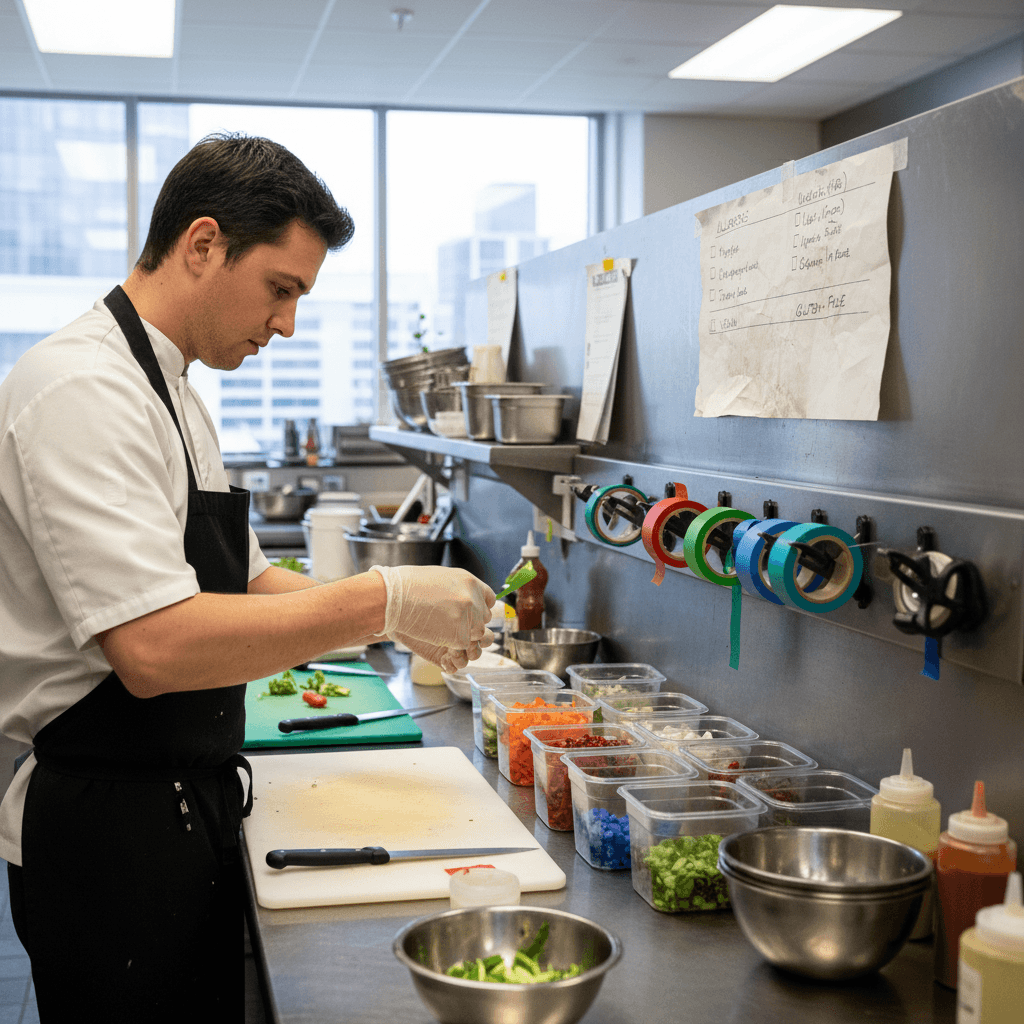
A simple color-coding system can work during prep: red stickers for allergy tickets that go to a dedicated station; green stickers for modification tickets that stay on the main line but get extra visual attention from expo.
Why Your Color-Coded System Will Fail on Friday Night
That color-coded system is perfect at 4 PM during prep when you have three tickets on the rail. It will shatter at 8 PM when you have fifteen tickets flying through the window and three modifications hit expo at once.
This is the ticket chaos moment: The expo calls for two burgers - one gluten-free bun with no cheese (dairy-free) and one lettuce wrap with no bun (keto). The grill cook hears "no bun" for both and plates two lettuce wraps without checking the ticket details further because they're in the weeds on well-done steaks.
Cross-contamination happens here despite best intentions because speed overrides process under pressure.
When manual tracking creates more risk than it prevents: A server writes "GF" on a ticket for a gluten-free guest who has celiac disease - meaning any cross-contact makes them sick - but doesn't communicate the severity to expo because they're triple-sat with new tables.
The real cost is wasted food from miscommunication: You remake that burger with the gluten-free bun because it was plated incorrectly after being touched by regular-bun hands? That's $14 in food cost wasted because of unclear communication during rush hour.
From Checklist to Kitchen Culture
Training servers to ask the right questions changes everything.
Stop asking "any allergies?" Start asking: "Are we avoiding any ingredients tonight for allergy reasons or dietary preferences?" This opens the door for guests to specify if it's a medical necessity or a lifestyle choice - critical information for the kitchen.
Then drill down: For vegan/vegetarian: "Just to confirm - no meat or fish? And does that include dairy and eggs?" For gluten-free: "Is this an allergy or a preference?" That one question tells your kitchen if they need to pull out fresh gloves and sanitize their station or just grab a different bun from the pantry.
Building modification-friendly menu items from the start is proactive defense.
Design one signature salad that can easily become vegan by swapping cheese for nuts; gluten-free by omitting croutons; keto by adding extra protein instead of dried fruit; low FODMAP by using garlic-infused oil in the dressing instead of fresh garlic.
Creating clear communication paths between FOH and BOH means standardizing language on tickets.
The Rule: Servers must write both the restriction AND the key action needed by kitchen staff.
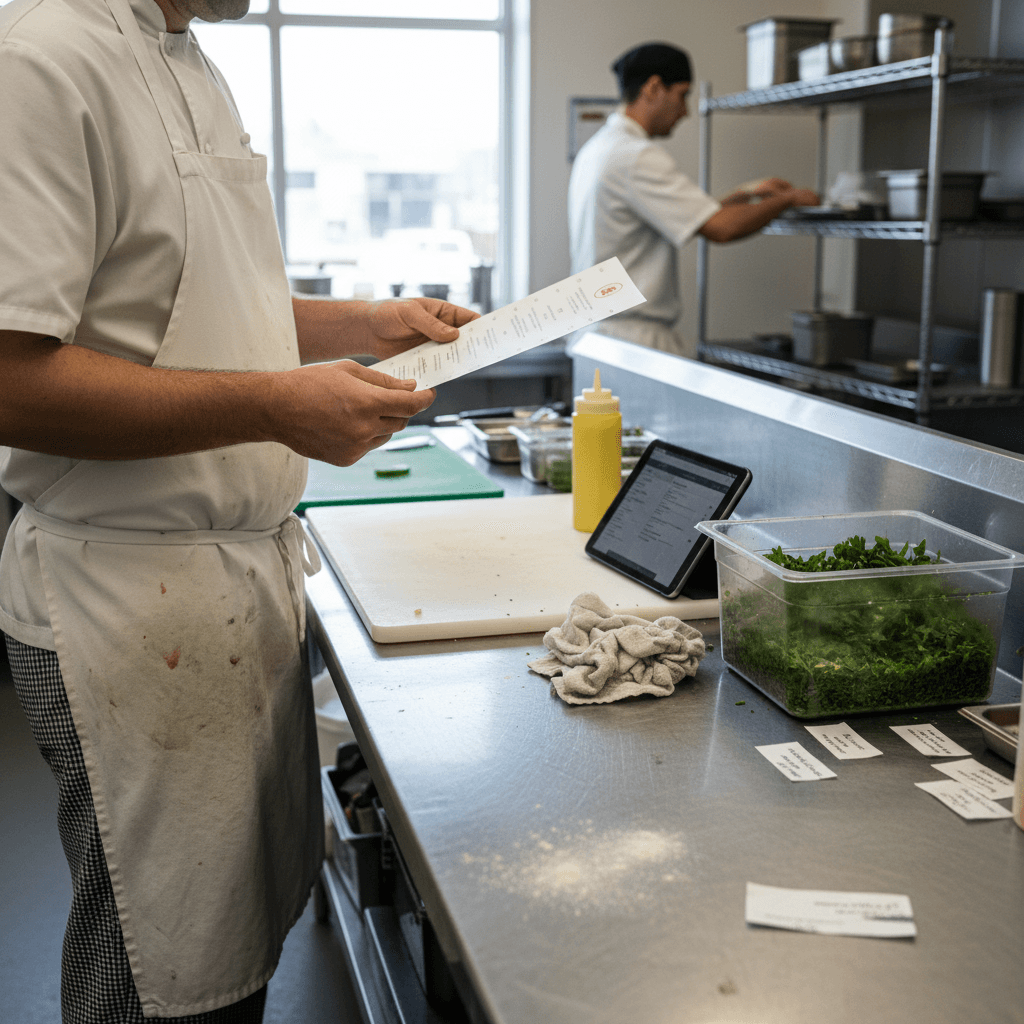
Weak Ticket Note: "GF" Strong Ticket Note: "GF - CELIAC - NEW UTENSILS/PAN" Weak Ticket Note: "Vegan" Strong Ticket Note: "VEGAN - NO BUTTER/CHEESE/HONEY"
This takes three extra seconds for the server but saves three minutes of confusion on the line.
Manual systems work when everyone is disciplined all the time - which is impossible during peak service when human attention is your scarcest resource.
Modern digital tools can automate this workflow where manual processes break down under pressure.
Kitchen display systems can flag dietary restrictions directly on screen next to each order item in bold text that doesn't get lost in scribbled handwriting on paper tickets.
Digital ordering platforms can prompt servers with specific follow-up questions based on a guest's initial selection before an order is ever sent to the kitchen - ensuring all critical details are captured at point-of-sale rather than trying to remember them later during rush hour chaos while running food across dining room floor space between tables full of hungry customers waiting impatiently after long day work commutes home before coming out again tonight because they deserve treat themselves sometimes too right?
Taking the Next Step
Managing modern dietary restrictions is not about memorizing every diet trend; it's about building clear communication channels that hold up under fire during Friday night dinner rush hour when everyone needs everything right now immediately without delay please thank you very much indeed sir madam yes absolutely right away coming right up hot behind you careful please hot plate thank you so much enjoy your meal!
The logic is clear: better communication reduces errors; fewer errors reduce waste; less waste protects your profit margin while keeping guests safe and satisfied enough to return next week with their friends who also have specific dietary needs requiring careful attention from busy restaurant staff trying their best under difficult circumstances always striving improve service quality standards across industry as whole moving forward together stronger than ever before now let's get started shall we?
To see how digital tools can lock in these communication protocols automatically during your busiest services view our pricing options designed for independent restaurants like yours or start a free trial this week to test how automated allergy alerts work during your next Saturday night rush without changing how your line cooks currently operate on daily basis already familiar routine established over years experience working together as team family unit supporting each other through thick thin good times bad times always there when needed most important thing remember end day we all same boat trying make living doing what love serving people good food making them happy simple as that really isn't it?