Airport Restaurant Speed Tips That Actually Work
International travelers don't have time for slow service. Learn practical speed tips that work during airport rushes when every minute counts.
When Travelers Walk Away Hungry
Airport Restaurant Speed Tips That Actually Work begin with recognizing the exact moment you lose money. It's Friday at 5:15 PM, and a server watches a group of four glance at the line, check their watches, and walk toward the gate. You just lost a $150 check because your service timeline didn't match their boarding time. International guests operate on flight schedules, not restaurant schedules. Their decision is binary: eat now or miss their plane.
This reality forces a different operational mindset. The traditional restaurant pace fails here. You need systems built for the airport's unique rhythm, which is exactly what we break down in Turning Tourists Into Regulars: The Restaurant Guide. That guide shows how to build the entire operation that attracts and retains these guests.
The 90-Second Rule for Airport Service
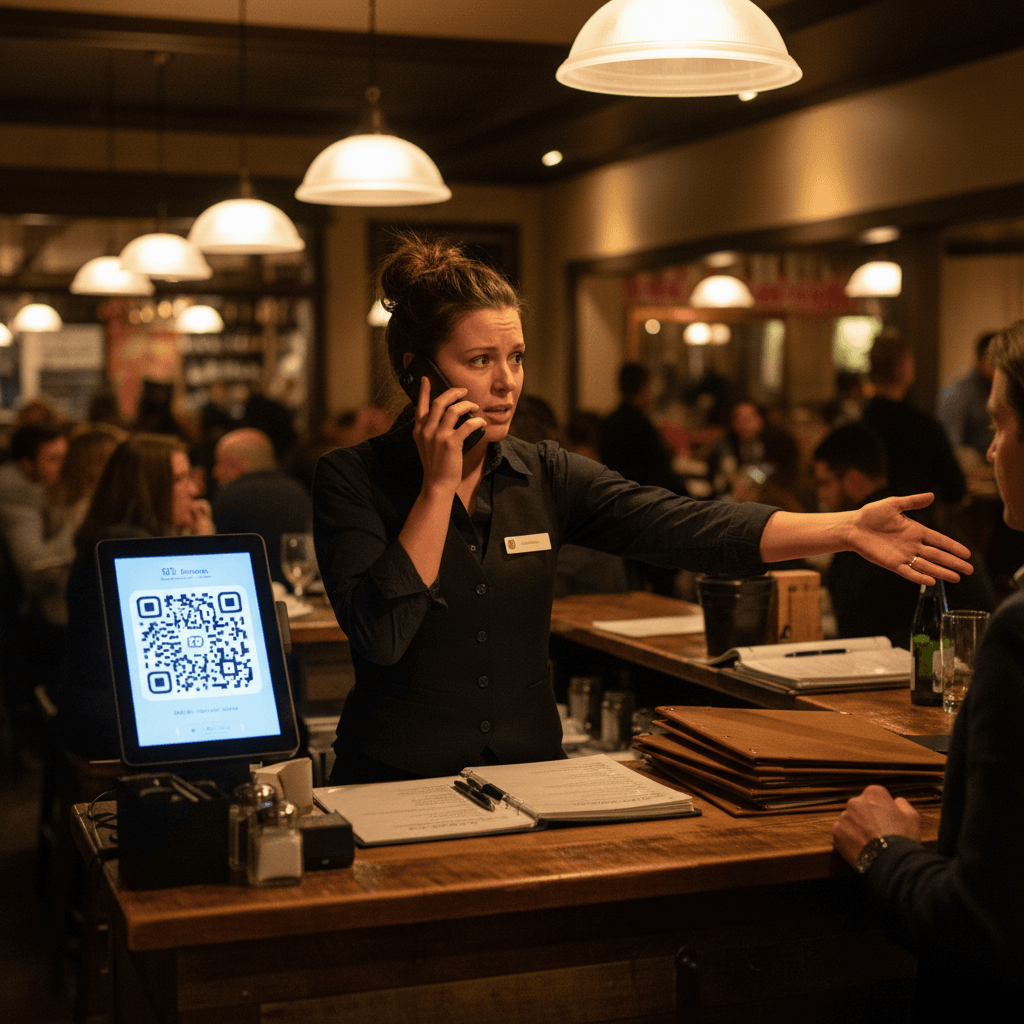
The transition from seeing a guest walk away to keeping them starts with a brutal standard. If you can't get drinks in front of guests within 90 seconds of seating, you're already losing. This isn't about fancy service - it's about survival in an airport environment where every minute is counted against a boarding pass.
Start every shift with a pre-brief that includes flight board times visible on screens nearby. Servers should know which gates have departures in the next 60 minutes. Train your team to ask one question immediately after greeting: "Do you have a flight to catch?" If the answer is yes, they skip the full menu tour. They go straight to three recommendations that can be out in under 15 minutes.
The Rule: Drinks in 90 seconds, order taken in 3 minutes for time-pressed guests. This rule is non-negotiable. It resets the server's internal clock from a relaxed dining pace to an airport sprint.
Why Your Kitchen Line Breaks During Rushes
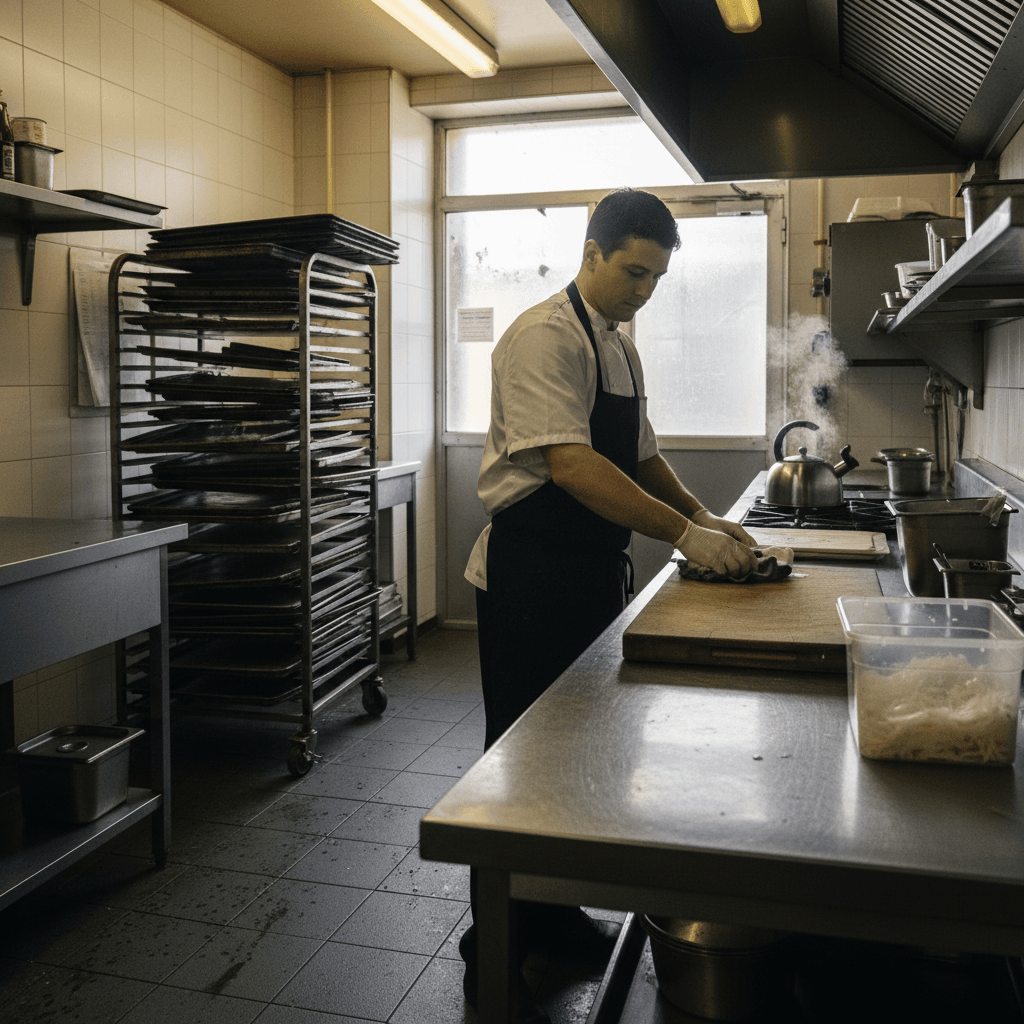
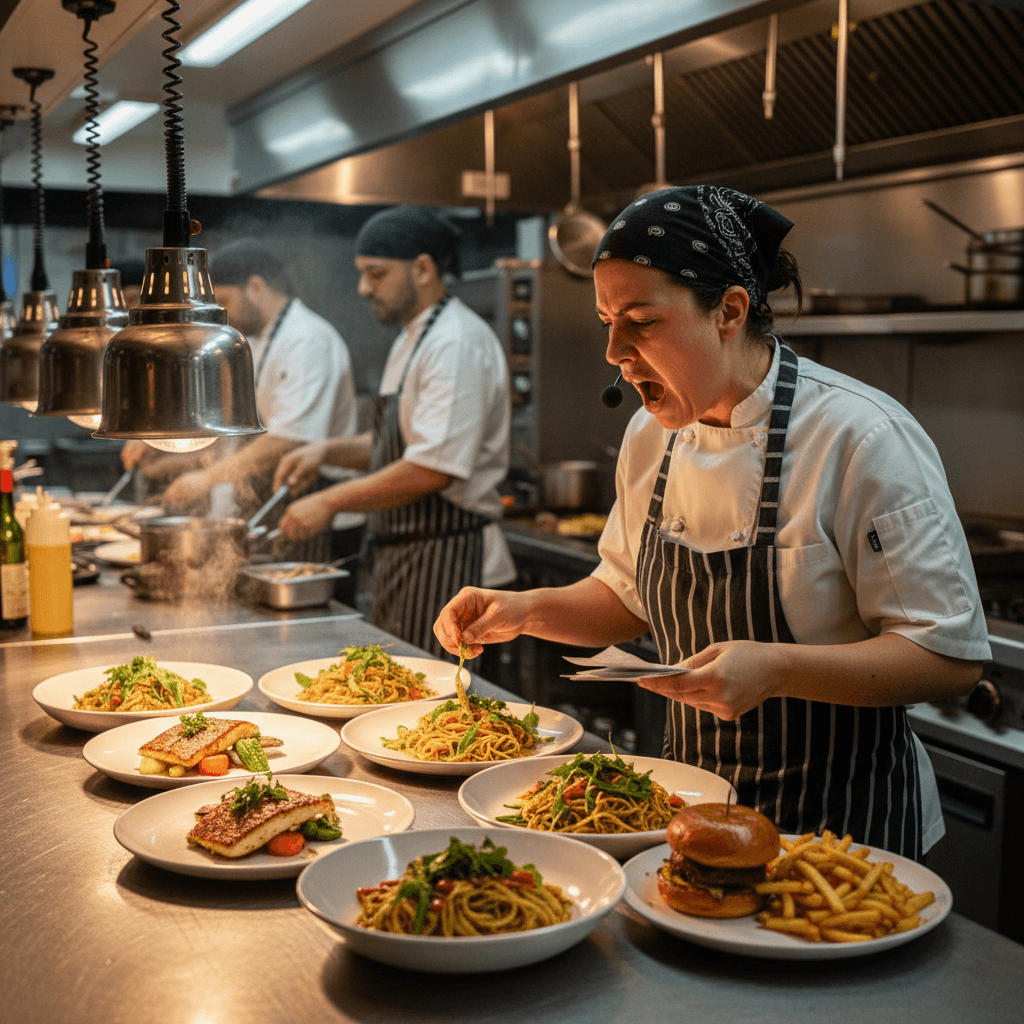
Understanding the guest's urgency is one thing. Executing it is another. The bottleneck during an airport rush isn't cooking time - it's communication. When three servers all need modifications explained at once, the line stops. Expo calls get drowned out by boarding announcements over the PA system. Paper tickets get mixed up between terminal A and terminal B orders.
You'll see cooks looking for ingredients that should be prepped, servers waiting for clarification on allergies, and managers getting pulled in five directions. The system works fine at 2 PM but collapses at 6 PM when five flights depart within an hour. Each delayed ticket represents a guest getting anxious, watching the clock, and deciding never to return.
The breakdown happens in the handoff between front and back of house. The expo station becomes the critical choke point. Without clear systems, noise and chaos take over.
Building Speed Into Your Daily Routine
Fixing the communication breakdown requires building speed into your daily routine before service begins. Speed starts with prep lists designed for flight schedules, not meal periods. Create airport-specific prep that accounts for departure waves - more grab-and-go sandwiches and salads pre-wrapped during peak departure times, more full meal components ready during arrival waves.
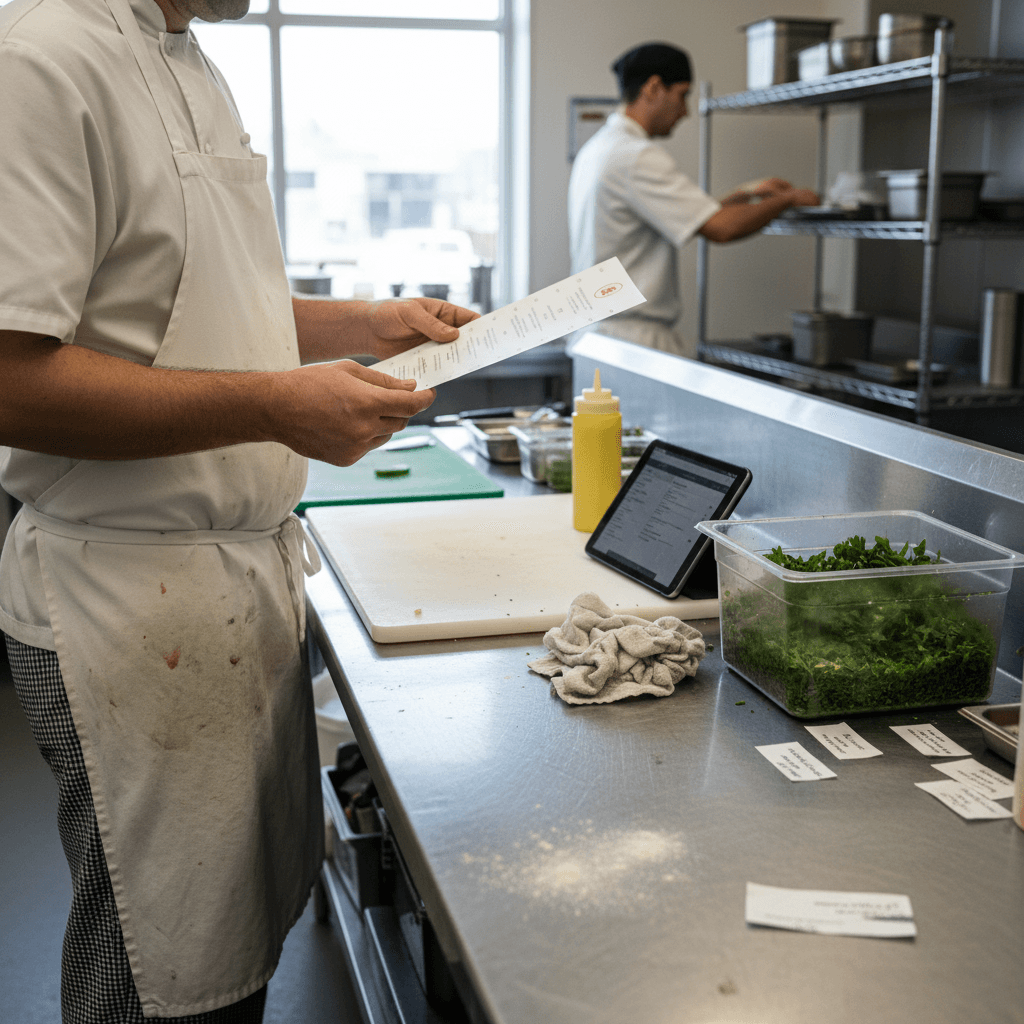
Color-code your tickets by time urgency. Use red tickets for orders needed in under 20 minutes, yellow for 20-40 minutes, and green for no rush. This visual system lets the kitchen prioritize without asking questions. The expo can glance at the rail and know which plates to push first.
Train your team to think in flight terms, not restaurant terms. A "rush" isn't just busy - it's "three flights leaving from gate B12 in 30 minutes." Reset your mental clock to match your guests' reality. During shift change, brief the incoming team on the next two hours of departures, not just table turns.
The real win happens when international travelers remember your restaurant as the place that actually understood their schedule. They'll look for you on their next layover - and that's how tourists become regulars.
These manual fixes work, but they require constant discipline and oversight from your management team. Modern digital tools can automate the repetitive parts of this workflow. Kitchen display systems eliminate ticket confusion by showing orders clearly on screens. Digital ordering platforms can start timers automatically when an order is placed, keeping everyone accountable to the clock.
Taking the Next Step
Shifting to an airport-speed operation is practical when you break it down into these clear steps: the 90-second drink rule, flight-aware communication, and color-coded urgency systems. The logic is straightforward once you see service through your guest's eyes - they're racing a boarding time, not enjoying a leisurely meal.
To implement these changes systematically, view our pricing for tools that help coordinate kitchen speed with front-of-house urgency. You can start a free trial to test how digital order management creates the consistent pace that keeps travelers from walking away hungry.