Why Your Hiring Process Is Costing You Money
Unreliable restaurant staff drain profits through constant turnover and service mistakes. Learn hiring strategies that actually work on the floor.
The Hidden Tax of Restaurant Turnover
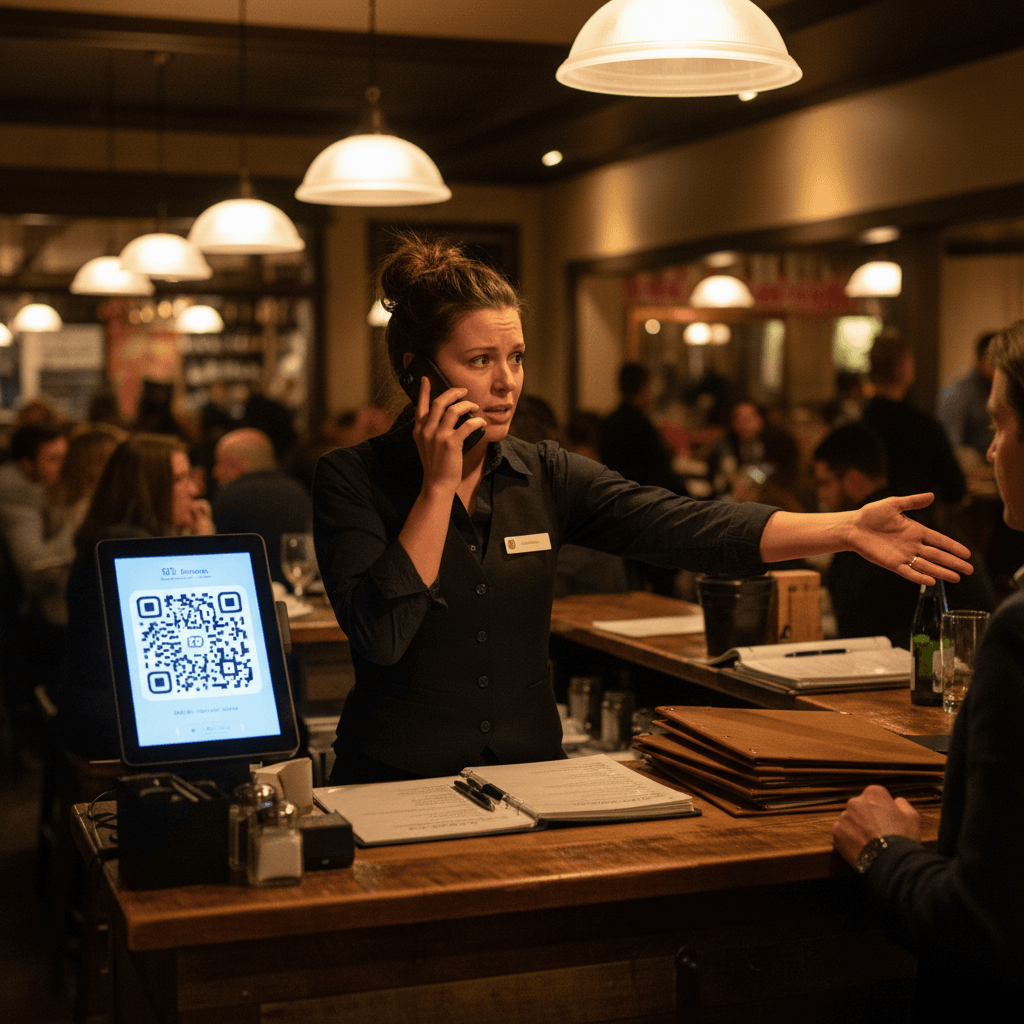
Why Your Hiring Process Is Costing You Money becomes clear at 7:45 PM on a Friday. Your expo is calling three orders at once. The new server just dropped a tray of drinks. Your lead line cook is on his third double this week because the new hire didn't show up for his shift. You're not just managing a busy service. You're paying for it three times over.
Every time you lose a server or cook, you're not just losing an employee. You're paying for three weeks of training time, covering shifts with overtime, and dealing with service breakdowns that drive customers away. The math is simple but brutal: replace three staff members this year and you've already spent $15,000 before counting their actual wages.
That $15,000 isn't a line item on your P&L. It's the cost of your manager spending 40 hours training instead of managing inventory. It's the overtime pay for your reliable closer to work six days straight. It's the comped meals when ticket times stretch past 45 minutes because the new cook is still learning the station. This hidden tax drains your profitability silently, shift by shift.
The solution requires looking beyond just hiring and into how you manage your entire team. This connects directly to the comprehensive system we detail in Cutting Labor Costs Without Cutting Corners, which breaks down scheduling, cross-training, and operational efficiencies that protect your margins.
The Rule: Calculate your true replacement cost before you post another job listing. Add up manager training hours, overtime coverage, and estimated service errors during the learning period. That number - not just the hourly wage - is what you're really spending.
Stop Hiring for Experience
Once you see the true cost of turnover, your hiring criteria must change completely. The industry's biggest lie is that experience equals reliability. I've seen '20-year veterans' show up late and 'green' kids become your most dependable closers. Your hiring checklist should have one question at the top: Will they show up? Everything else - menu knowledge, wine pairing, knife skills - can be taught in two weeks if someone actually shows up ready to work.
Stop asking about previous restaurant experience in the first interview. Start asking about transportation. Ask what time they wake up for morning shifts. Ask about their last job and why they left - listen for patterns of reliability, not just industry knowledge. The server who reliably bikes three miles to work every day is worth more than the 'fine dining veteran' with an unreliable car.
Test for teachability, not knowledge. Give a candidate a simple task during their stage shift - rolling silverware, prepping salad station, running food to a table. Watch how they ask questions. Watch how they handle correction. The person who listens carefully and applies feedback immediately will master your menu faster than someone who 'already knows how things should be done.'
The Rule: Reliability before experience. You can teach menu knowledge in two weeks. You cannot teach someone to show up on time.
When Interviews Become Your Second Job
Finding reliable people is only half the battle. The real cost comes from the hours you spend searching for them. You spend Tuesday mornings screening resumes, Wednesday afternoons conducting interviews, Thursday checking references. That's twelve hours you're not on the floor during lunch rush, not checking inventory, not training your existing team. The bottleneck isn't finding candidates - it's having enough hours in your week to properly vet them while still running your restaurant.
Those twelve hours have a direct operational cost. While you're interviewing candidate number four, your lunch prep isn't getting checked. While you're calling references, your beverage order isn't being placed. While you're screening resumes, your best server isn't getting feedback on their last shift's performance. You're trading management time for hiring time - and both are essential to keeping your restaurant profitable.
Streamline your vetting process to protect your management hours. Conduct phone screens during slow afternoon periods instead of blocking out morning time. Use staged working interviews where candidates actually work a short shift - you'll learn more in two hours on the floor than in four hours of traditional interviews. Create a simple checklist for references that focuses on three things: attendance, teamwork, and coachability.
The Rule: Protect your management hours like revenue. Every hour spent interviewing is an hour not spent improving operations.
Building a Team That Stays
The real labor cost savings come from staff who work with you for years, not months. They know your regulars' orders before they sit down. They anticipate Friday night rushes without being told. They train new hires so you don't have to. This isn't about finding perfect employees - it's about creating conditions where good people want to stay.
Start by fixing what makes people leave. The number one reason restaurant staff quit isn't money - it's inconsistent scheduling and poor communication. Post schedules two weeks in advance, every time. Use a simple system where employees can request swaps without calling you at 10 PM. Hold five-minute pre-shift meetings that actually communicate information - specials, 86'd items, private parties - instead of just checking uniforms.
Create clear paths for growth within your existing team. Your best food runner should know they can become a server in six months if they master menu knowledge and timing. Your pantry cook should know they can train on sauté station next quarter if they maintain consistency on salads and desserts. People stay where they see themselves growing.
Invest in training that actually works on the floor. Don't just hand new hires a menu to memorize. Have them shadow your best server for two full shifts before taking their own tables. Have new cooks work each station with an experienced cook for at least three shifts before working it alone. This initial investment saves countless comped meals and customer complaints later.
The manual systems described here - calculated hiring criteria, protected management time, retention-focused scheduling - form a complete framework for labor stability. They require discipline and consistent execution from ownership down to shift leads.
Modern digital tools can automate the repetitive parts of this workflow once your manual processes are solid. Scheduling platforms can enforce your two-week posting rule automatically and manage shift swaps without manager intervention. Communication apps can ensure every team member receives critical updates about 86'd items or private parties instantly, reducing service errors during busy periods.
Taking the Next Step
The shift from reactive hiring to systematic team building is practical and its logic is clear: invest time upfront in finding and keeping reliable people, or pay continuously in turnover costs and service breakdowns.
If inconsistent staffing is creating hidden costs in your operation, view our pricing to understand how tools designed for restaurant realities can support your team-building efforts without adding managerial overhead. You can start a free trial today and apply these hiring principles with systems that handle scheduling communication automatically, giving you back the hours needed to build a team that stays