Why Server Burnout Costs You Money
Practical ways to keep your servers from burning out while actually improving your bottom line. Real floor strategies that work.
The Silent Drain on Your Bottom Line
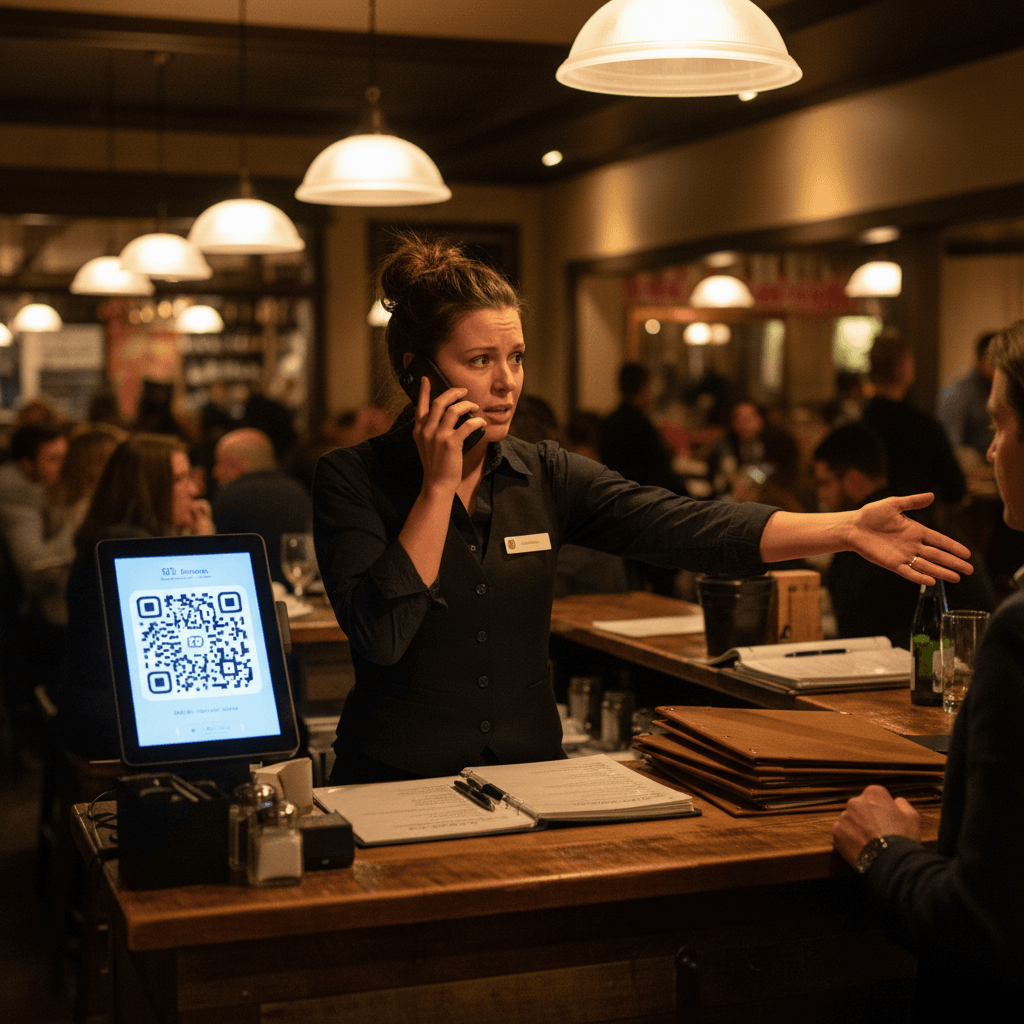
Why Server Burnout Costs You Money starts at 7:45 PM on a Friday. The expo is calling three orders at once. Table 14's server forgets the second round of drinks she just rang in. She's staring at the ticket rail, her brain foggy from three double shifts this week. The veteran server who knows the menu blindfolded calls in sick again, leaving you with two trainees on the busiest night. You see the waste bucket fill up with overcooked steaks and wrong sides - mistakes that happen when your team is too tired to care.
Forget the soft costs of morale. This is about hard dollars leaving your register. Every remade meal hits your food cost twice. Every forgotten drink order is a lost upsell. Every portion that gets sloppy because a server is rushing to catch up wastes inventory you already paid for. The most expensive cost? Retraining. When a good server finally quits, you spend weeks and thousands of dollars finding and training their replacement, only to watch the cycle start again with someone new. This connects directly to the sustainable strategies in Cutting Labor Costs Without Cutting Corners, which shows how keeping your team intact is the most powerful cost control you have.
Your Pre-Shift Burnout Prevention Drill
More money won't fix burnout if the shifts are broken. Throwing an extra twenty dollars at a server after a brutal double doesn't solve tomorrow's exhaustion. You need manual fixes that work on any floor with any staff.
First, implement the 15-minute reset rule between doubles. The Rule: No server starts a second shift without fifteen minutes of uninterrupted quiet time. This isn't a break where they roll silverware or restock coffee. They sit down away from the dining room with no tasks. You enforce this by scheduling the overlap. If the night shift starts at 4 PM, your day shift servers clock out at 3:45 PM. Period.
Second, rotate station assignments weekly. The server who always gets stuck in the back corner with the large parties and the long walk to the kitchen will burn out. Create a simple rotation chart. Next week, that server gets the smaller, faster-turnover tables near the bar. This spreads the mental and physical load evenly across your team.
Third, use a pre-shift checklist to prevent servers from becoming expediters. During rush, servers shouldn't be hovering at the pass waiting for food or running back to ask the kitchen about mods. Your checklist includes: confirming all mods are entered correctly before sending the ticket, noting promised wait times for delayed items, and designating one "runner" per shift to ferry completed plates. This keeps servers on the floor selling, not stuck in the kitchen.
When Good Intentions Hit Friday Night Reality
Your manual prevention works beautifully until it doesn't. The bottleneck hits when three servers call out sick and you're running at 60% capacity. Your careful rotation chart is useless. The 15-minute reset disappears because everyone is covering tables immediately.
This is when managers become firefighters instead of leaders. You start making trade-offs that hurt both service and staff sanity. You ask the remaining servers to take extra tables "just for tonight." You skip side work to get people out faster, which means tomorrow's opening crew walks into a mess. You let small mistakes slide because you need bodies on the floor, which slowly erodes your standards.
The pressure creates a vicious cycle: burned-out servers call out more often, which forces you to overwork the remaining team, which leads to more burnout. Your prevention plan collapses under real-world pressure because it relies on perfect attendance and manager bandwidth that evaporates during crisis.
Building Burnout Resistance Into Your Schedule
The future isn't about preventing every bad shift - it's about creating systems that absorb pressure without breaking. Start with one change next week: protected break times that actually happen.
Schedule breaks like you schedule servers. If a server's six-hour shift includes a thirty-minute break, block it on the master schedule and treat it as sacred as their start time. Have a manager cover their tables during that exact window. This simple act proves you value their well-being over squeezing every minute of labor.
Then build toward smarter scheduling that accounts for energy levels, not just bodies on the floor. Stop scheduling your best server for five closing shifts in a row because "they can handle it." Mix opens and closes throughout their week. Pair energetic new hires with steady veterans during peak times instead of stacking all your strongest servers on one shift.
This approach directly reduces your most expensive labor cost: constant retraining. When servers stay longer because their job is sustainable, you stop bleeding money on recruitment ads, training hours, and the inevitable mistakes new hires make during their first month.
Manual systems require constant manager attention and discipline to maintain. Modern digital tools can automate the repetitive parts of this workflow - scheduling platforms can enforce rotation rules and break protections automatically, while communication systems can streamline shift swaps without manager intervention.
Taking the Next Step
Server burnout isn't an emotional issue - it's an operational leak that drains profit through wasted food, lost sales, and constant rehiring. The fixes are practical: enforce reset times, rotate stations fairly, and use checklists to keep servers selling.
The logic is clear when you track the numbers from a calm Tuesday versus a chaotic Friday where everyone is exhausted.
If protecting your team from burnout while protecting your bottom line makes sense for your operation, you can view our pricing for tools designed to handle these scheduling complexities or start a free trial to see how automated systems maintain consistency even when your Friday night plans fall apart