Why Most Coffee Shop Loyalty Cards Fail
Stop wasting money on punch cards nobody uses. Learn 5 loyalty systems that keep customers coming back without draining your profits.
The Loyalty Card That Costs You Money
Why Most Coffee Shop Loyalty Cards Fail starts with a simple Friday morning scene. You're counting the cash drawer before the rush. A customer hands you a crumpled, coffee-stained punch card from a stack you ordered six months ago. It has two punches. You do the math: that custom-printed card cost you 85 cents. The free drink you're about to give them costs $4.50 in ingredients and labor. You just lost money on a "loyal" customer.
The real cost isn't the free drink. It's the stack of 500 cards sitting in a drawer behind the register, half of which will never get a single punch. At 85 cents each, that's $425 of your marketing budget turned into landfill. That money could have paid for a barista training session on latte art, or covered the cost difference between your current espresso beans and a truly exceptional single-origin for a month. This waste connects directly to the core financial discipline we break down in The Coffee Shop That Actually Makes Money, which shows how small leaks sink profitable operations.
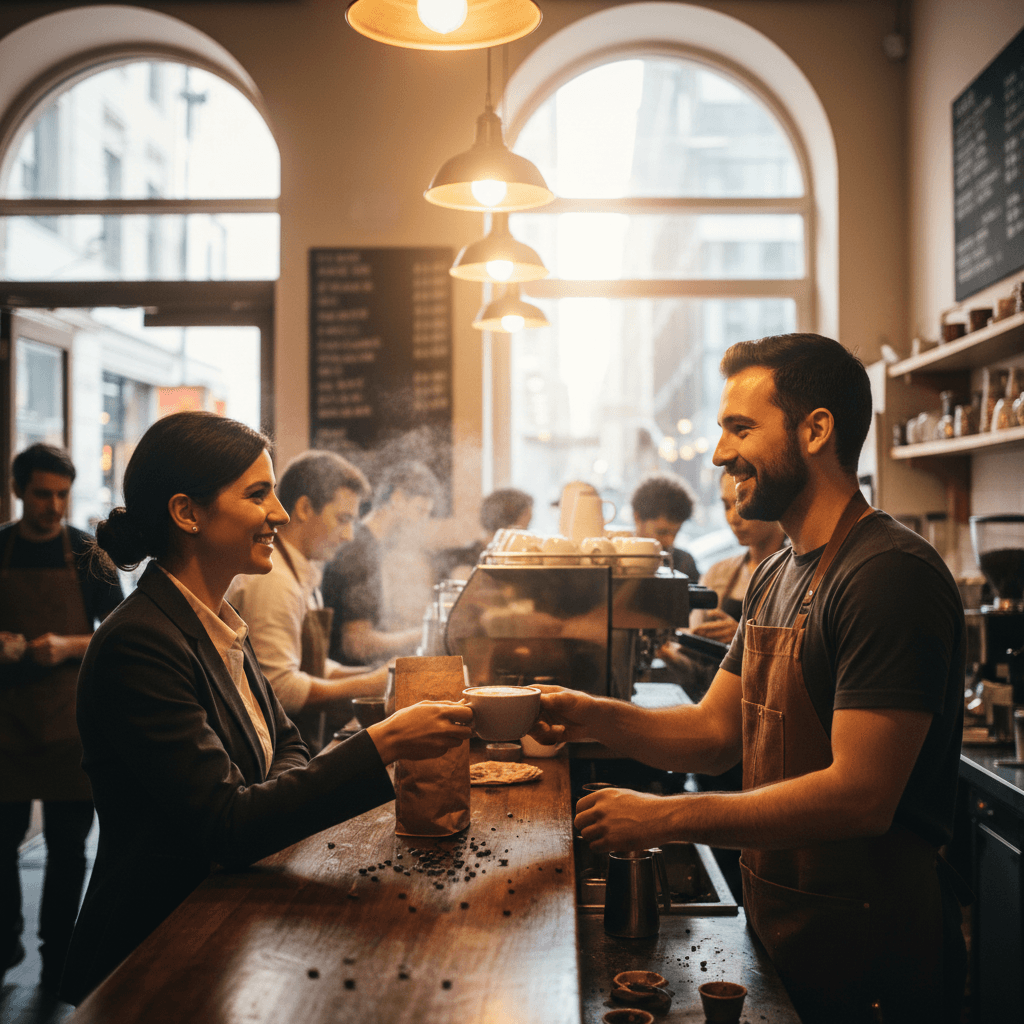
Here's the hard truth: most loyalty programs are designed backward. They focus on fancy cards and complex point systems instead of simple human behavior. A customer doesn't want another piece of plastic. They want to feel recognized and rewarded for choosing your shop over the chain down the street. Your job is to build that feeling without setting cash on fire.
The 5-Punch Rule That Actually Works
Forget complexity. The Rule: Simple beats fancy every time in coffee shop loyalty. Your system should be explainable in one sentence to a sleepy customer at 7 AM. If it takes longer, it's already failing.
Here are five systems that work because they're stupidly simple to execute.
1. The Classic Punch Card (Done Right) Stop ordering custom die-cut cards with your logo embossed in gold foil. Buy a pack of 500 blank business card stock from any office supply store. Get a custom stamp made with your shop's name for $15 online. When someone buys a drink, stamp one circle. Ten stamps equals one free drink of equal or lesser value.
The execution: Keep the stamp and blank cards right next to the register where your barista hands over the drink. The motion is natural: take payment, make drink, hand over drink with a fresh card and one stamp already applied. This costs pennies per card and takes two seconds.
2. Digital Tracking Without Apps Your customers don't want to download another app. Use their phone number. When they order, ask "Is this for your rewards?" If yes, have them give their digits. In your simple spreadsheet or notebook behind the register, mark one tally next to their number. At ten tallies, their next drink is free.
The key is consistency. Designate one person (usually the opener) to check the notebook each morning and write "FREE DRINK READY" next to any number that hit ten tallies the previous day. When that customer comes in, you say "Hey Sarah, you've got a free drink waiting!" before she even orders. That personal recognition is worth more than any punch card.
3. The "Buy 9, Get 10th Free" Twist This is psychological, not mathematical. Ten punches feels like a long journey. Nine punches feels achievable because you're giving them the first one free immediately.
Print cards with nine circles (not ten). When they buy their first drink, stamp two circles. Say "First one's on us to get you started." They're already 22% toward their goal before they take their first sip. The perceived acceleration keeps them coming back.
4. Time-Based Rewards for Slow Periods Your 2 PM to 4 PM slump is killing your daily profit average. Fix it with targeted loyalty.
Create a separate stamp or use a different colored ink stamp for drinks purchased between 2 PM and 4 PM on weekdays only. These "slow shift" punches count double toward a free drink. Print this rule clearly at the bottom of the card: "Afternoon visits (2-4 PM weekdays) earn double stamps."
You're not discounting drinks during slow times - you're accelerating reward velocity for customers who help smooth out your labor curve.
5. Community-Building Programs Loyalty shouldn't stop at transactions. Create a "Bring a Friend" card.
When a regular customer brings someone who hasn't been in before, stamp both of their cards after the new person makes a purchase. The regular gets rewarded for expanding your community, and the new person gets immediate entry into your reward system.
Track this manually on the back of their card with a small "B" initial next to those special stamps so you remember why they got extra credit.
When Paper Cards Become Paperwork
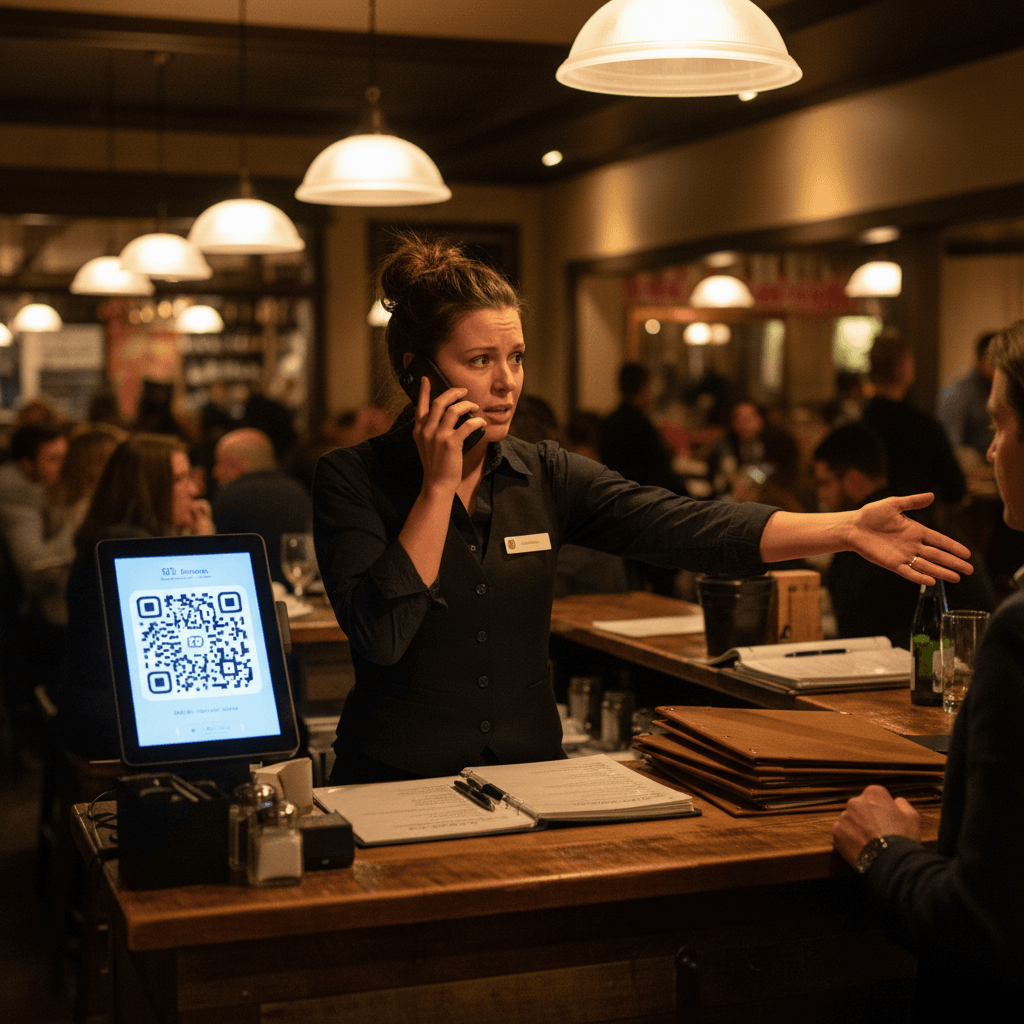
The problem shifts from cost to chaos about three months into any successful paper-based system. It's Friday at 3 PM, and you have three regulars at the counter simultaneously claiming they've earned their free drink.
One hands you a card with nine smudged stamps where ink has run from coffee spills. Another swears they left their card with you last Tuesday for safekeeping. The third insists they were at ten stamps yesterday but can't find their card anywhere.
Now you're not making drinks - you're playing detective while the line backs up to the door. Your barista is digging through a shoebox of abandoned punch cards under the register instead of steaming milk.
This administrative drag happens every single afternoon in shops running manual systems. You spend 15-20 minutes per day verifying stamps, replacing lost cards, and explaining policies instead of connecting with customers or managing inventory.
The worst part? These conversations often end with you giving away a free drink just to keep the peace, even when you're not certain they've earned it. That's called "policy leakage," and it directly eats your contribution margin - what's left after food cost - on every disputed transaction.
The System That Runs Without You
Manual fixes work, but they require perfect discipline from every staff member during every transaction across hundreds of shifts per year. That's why many successful shops eventually automate the tracking piece while keeping the human connection front and center.
Modern point-of-sale systems can track purchases by phone number or email automatically. When someone hits ten drinks, the system flags their account at checkout so your barista can say "Your next one's on us!" without digging through cards or notebooks.
The technology should serve the interaction, not replace it. The goal isn't to remove your barista from the equation - it's to free them from administrative tasks so they can actually remember regulars' names and drink preferences.
These digital tools handle the repetitive counting while your team handles the human connection that builds real loyalty beyond transactions.
Taking the Next Step
The shift from costly plastic cards to simple, effective loyalty systems is practical mathematics, not abstract theory. Each wasted dollar on unused cards is a dollar not spent on better beans, staff wages, or customer experience.
Audit your current program today: pull last month's receipts and count how many free drinks you gave versus how many custom cards you purchased and discarded unused.
Next week, test one simple system from this list using materials you already have or can buy for under $20 at an office supply store.
If manual tracking becomes its own burden despite good processes, view our pricing for point-of-sale systems that automate reward tracking while keeping your team focused on service rather than paperwork management. You can start a free trial to see how automatic purchase tracking works during your actual morning rush without disrupting your current workflow