When Resort Dining Logistics Break Down
How to fix the hidden bottlenecks that make guests wait and food go cold. Practical fixes for room service, poolside dining, and banquet coordination.
The Hidden Cost of Scattered Service
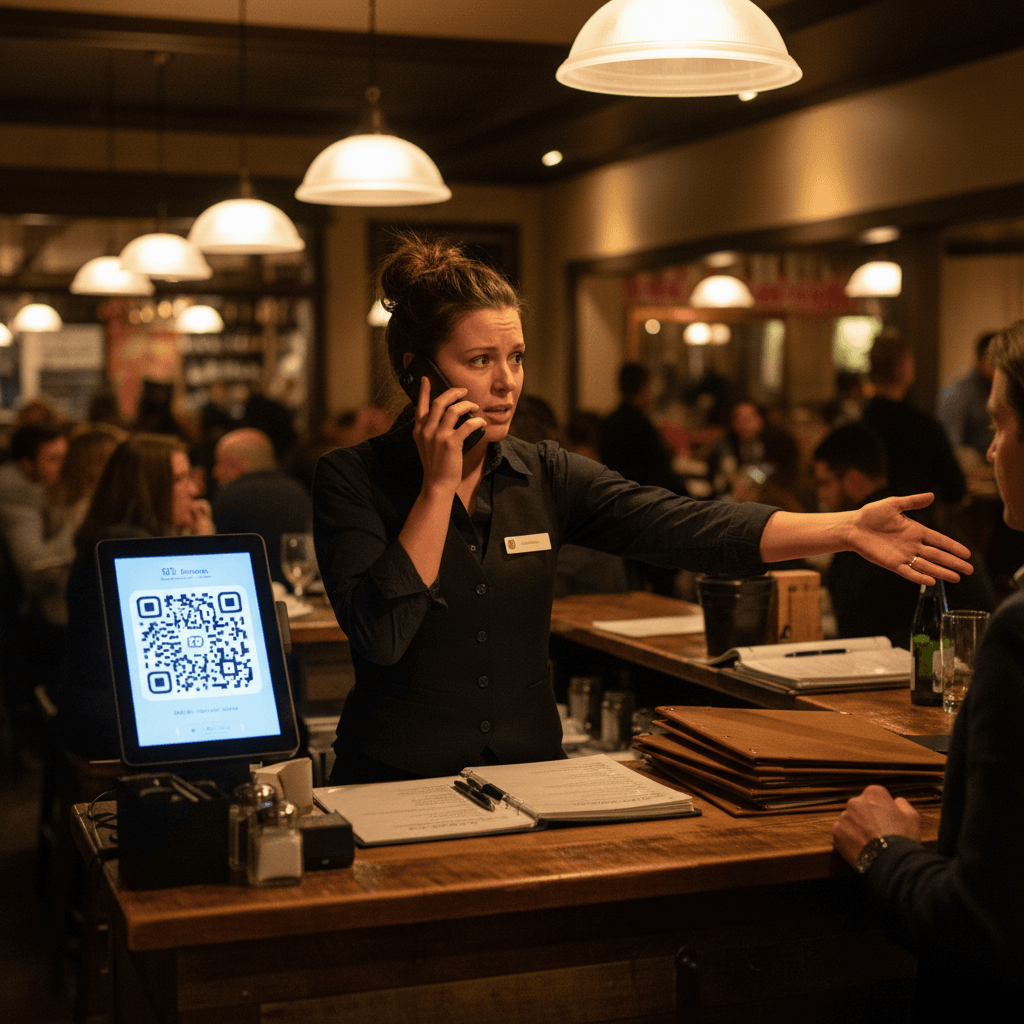
When resort dining logistics break down, you can feel it in the air. It's 7:15 PM on a Saturday. The main restaurant is at 80% capacity, the expo is calling three orders at once, and the room service phone hasn't stopped ringing for twenty minutes. A server runs from the poolside bar to the main kitchen because they ran out of limes. Meanwhile, a guest in room 412 is on hold, waiting to ask why their dinner has taken forty-five minutes. This isn't just a bad night - it's a predictable system failure that costs real money every time a guest gives up and orders delivery instead.
The financial bleed is silent but constant. That cold room service steak represents wasted food cost and a lost opportunity for beverage sales. The frustrated poolside guest who leaves for the bar down the street takes their entire weekend's spending with them. This operational chaos stems from managing separate locations as independent units instead of one interconnected kitchen. For a complete breakdown on fixing the most common profit leak, our guide on Room Service That Actually Works details the specific steps to stop cold food and long waits.
The 3-Location Drill That Actually Works
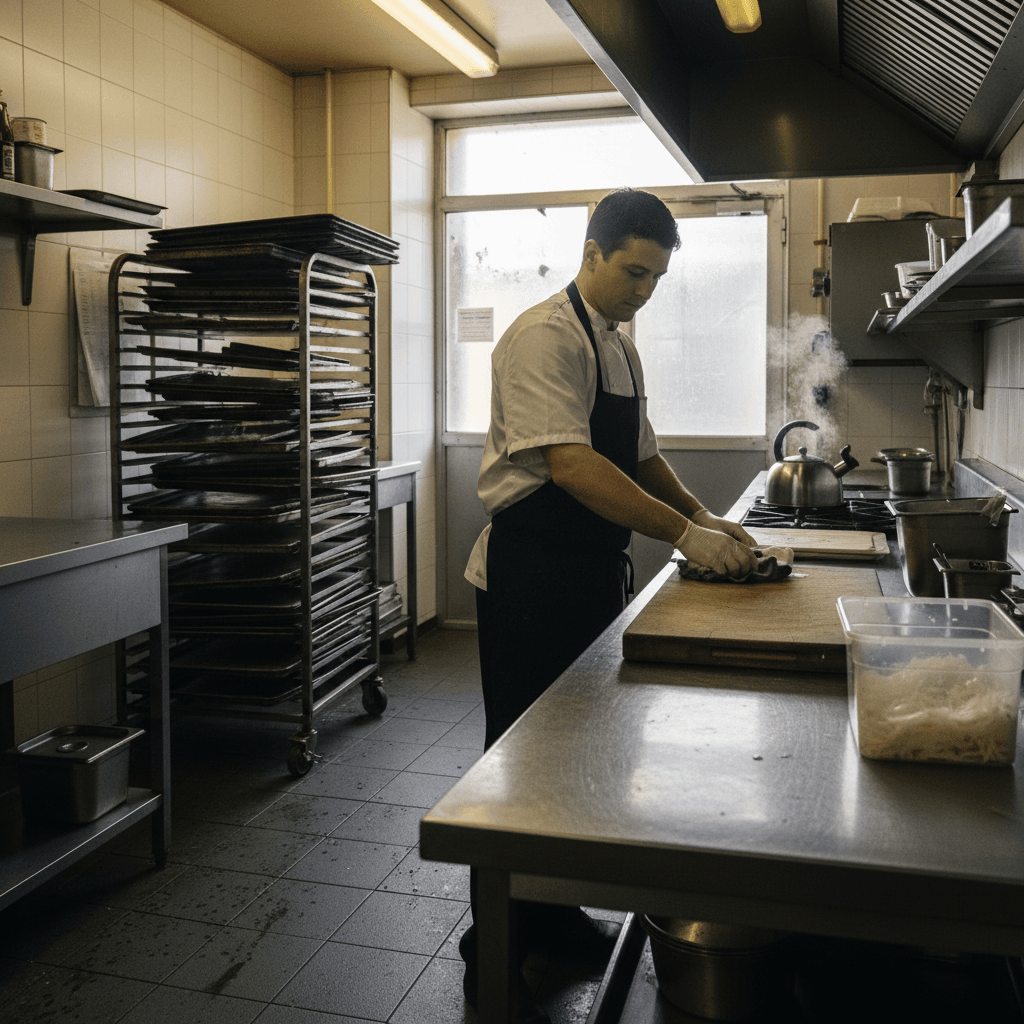
Trying to command everything from a single kitchen hub is a recipe for exhaustion. The solution isn't hiring more runners - it's creating clear, physical zones with defined responsibilities. Start by mapping your resort into three operational areas: the main kitchen for restaurant dining, a satellite prep station for room service assembly, and mobile stations or a dedicated cooler for poolside service. Each zone gets its own physical checklist of critical items, posted where every team member can see it.
The Rule: If room service dispatch time hits fifteen minutes from order entry, poolside service automatically gets priority support from the main kitchen. This creates a built-in pressure relief valve. Train your team on this trigger during pre-shift meetings. When room service tickets start backing up, one cook from the main line knows to immediately check the poolside station for replenishment needs before returning to their station. This prevents total system collapse by redirecting resources before guests start complaining.
This drill turns chaos into coordinated action. Instead of everyone reacting to the loudest problem, your team follows a pre-agreed protocol. The poolside bartender knows that if they see the room service ticket rail filling up, they should proactively restock their own ice and garnishes from the satellite station. This simple shift - from reactive scrambling to proactive preparation - saves about ten minutes of frantic running during your peak dinner rush.
When Manual Coordination Fails at Scale
The three-zone drill works perfectly until you hit true volume. Now it's Friday night with 120 covers in the restaurant, 32 active room service orders, and a poolside happy hour in full swing. Your expo is trying to coordinate plates between two kitchens while also answering phone orders. The bottleneck isn't your team's effort or skill - it's human memory and communication bandwidth.
No manager can simultaneously track which station is low on burger buns, monitor room service ticket times for delays, and know that the poolside blender just broke. You end up managing crises instead of preventing them. Information lives in separate places: room service tickets are in one book, restaurant orders are on another system, and poolside needs are shouted across the patio. This fragmentation guarantees that something will fall through the cracks every single shift.
The cost shows up as wasted food and labor. A cook preps extra fries for the restaurant, not knowing that room service already used the last batch for a large order. A server makes three trips to the main kitchen because they forgot to grab napkins on their first two runs. These micro-inefficiencies add up to hours of lost productivity each day, which directly translates to higher labor costs and lower guest satisfaction scores. The problem is structural, not personal.
From Chaos to Calm Coordination
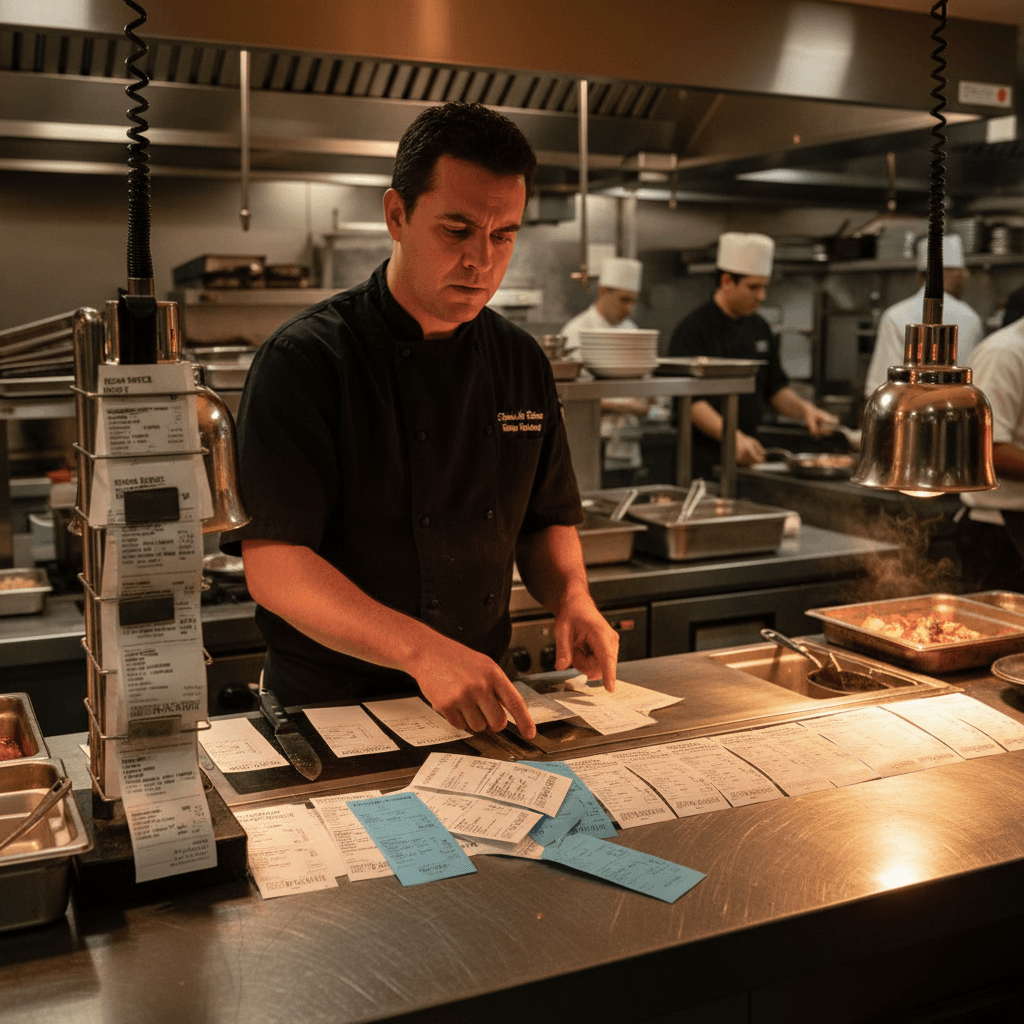
The fix begins with a mental shift: treat your entire resort as one kitchen with multiple serving points, not as separate fiefdoms fighting over resources. Implement simple, visual systems that create shared awareness without requiring meetings. Use color-coded dupe tickets or order slips - green for restaurant, yellow for room service, red for poolside. Anyone glancing at the rail instantly knows the composition of pending orders.
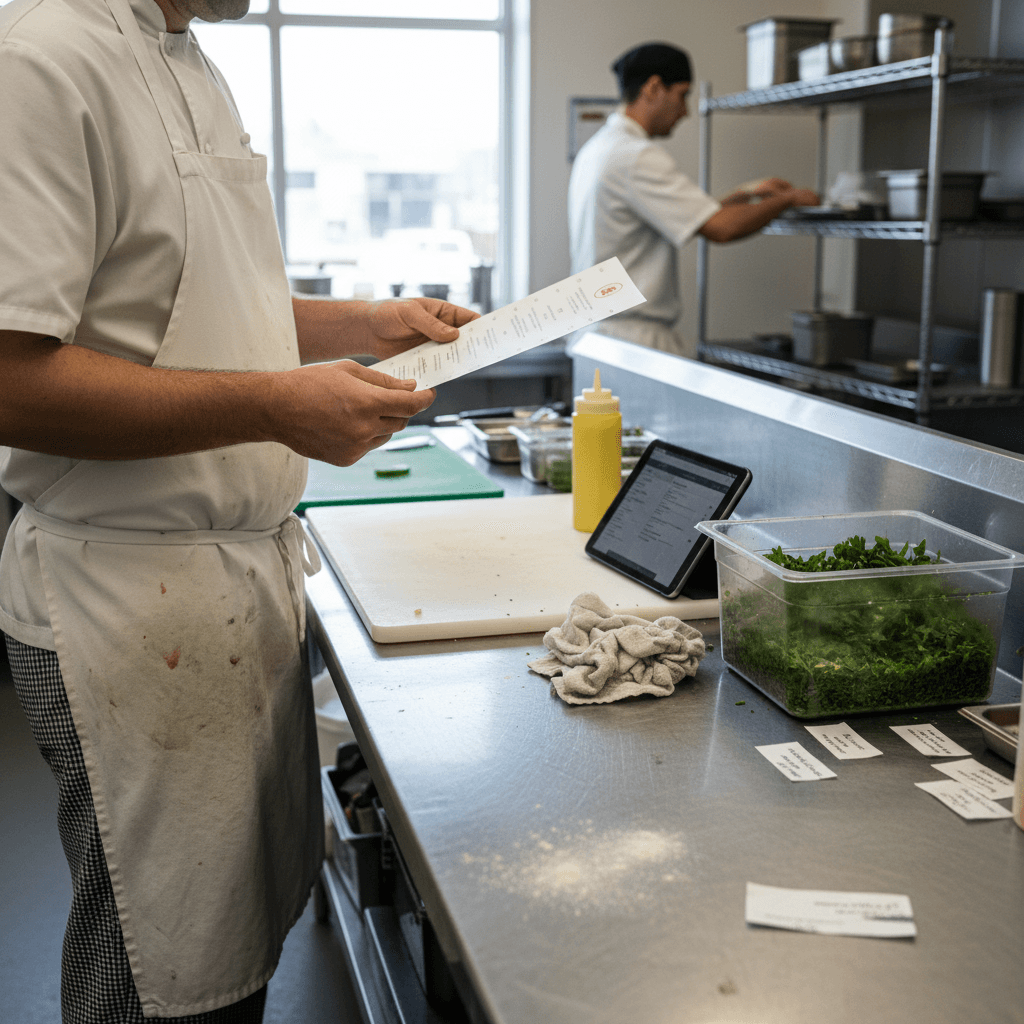
Create a shared prep list on a whiteboard or large sheet of paper visible to all three zones. List critical items like burger buns, salad mix, fries, and ice levels. Update it every hour, or whenever something drops below a par level. This simple act eliminates 80% of the "running to check" that wastes staff time. Everyone knows the burger buns are getting low before they actually run out.
Establish two-minute radio check-ins instead of twenty-minute problem-solving meetings. At the top of every hour during peak service, each zone lead reports one number: their current ticket time or their most urgent need. "Room service at twelve minutes." "Poolside needs more limes." "Main kitchen is good." This takes ninety seconds and gives everyone the operational picture without leaving their posts.
Start tomorrow with one change: post that shared prep list where all three locations can see it. Watch how much less running happens when your poolside server knows the main kitchen is low on salad plates before they walk over to get some. This isn't about technology - it's about creating visibility where there was previously only guesswork and reaction.
These manual systems work, but they require consistent discipline and time to maintain. The whiteboard must be updated. The radio checks must happen like clockwork. For operations that want to eliminate this administrative overhead, modern digital tools can automate this visibility. Kitchen display systems can show all orders from every location on one screen in real time. Simple inventory tracking software can alert all stations when key items are running low, turning manual checks into automatic notifications.
Taking the Next Step
Coordinating multiple dining locations is fundamentally about creating shared awareness before problems occur. The manual systems described here - clear zones, visual checklists, and brief check-ins - provide immediate relief from the daily chaos of scattered service.
If you're ready to move from manual coordination to automatic visibility, you can view our pricing for tools designed specifically for multi-location foodservice operations or start a free trial to see how real-time order and inventory tracking works during your next busy weekend shift