Tip Pooling Rules Explained for Restaurants
Clear breakdown of federal and state tip pooling regulations. Learn who can participate, what's legal, and how to avoid costly compliance mistakes in your restaurant.
The Hidden Legal Trap in Your Tip Jar
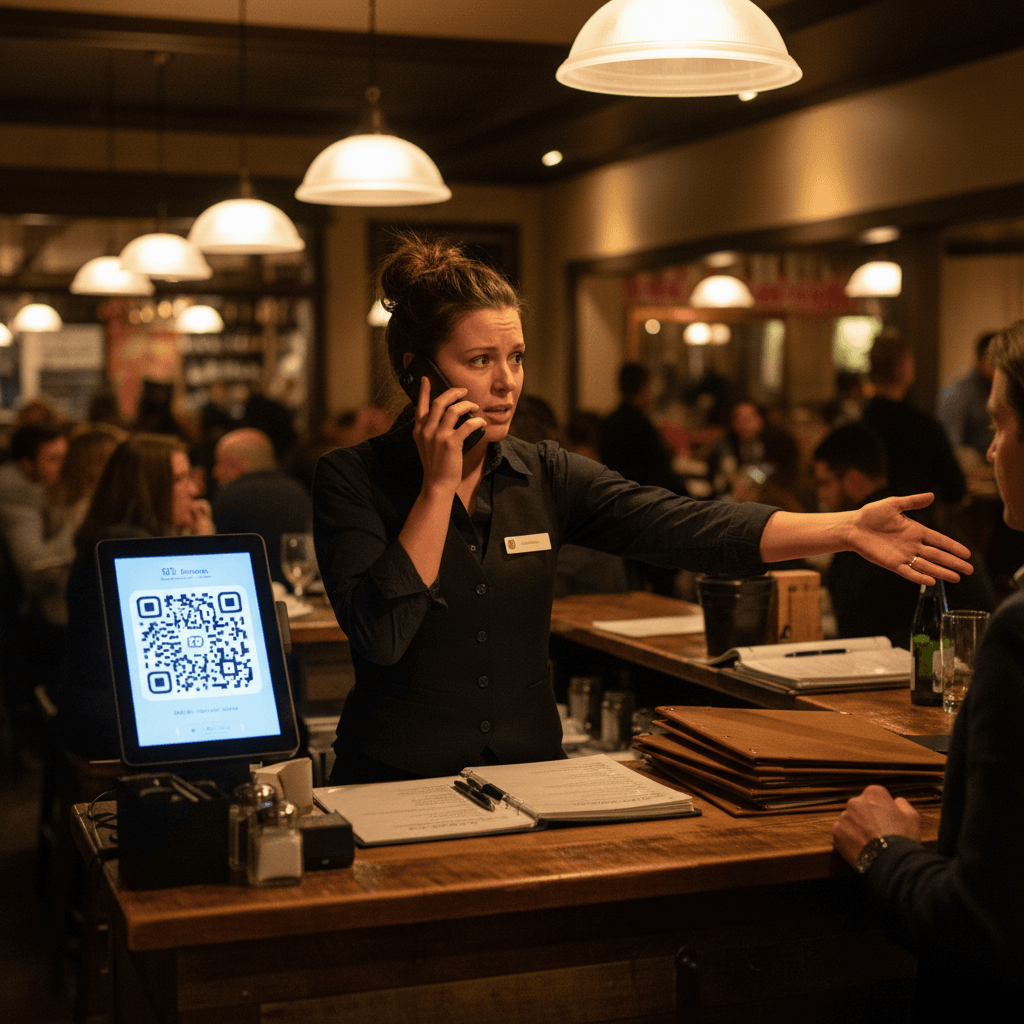
Tip Pooling Rules Explained for Restaurants often get broken during the Friday dinner rush. Your expo is calling three orders at once. A server is running food for another section. The bartender is helping a new host seat a party. Everyone is pitching in, and at the end of the night, you split the tips evenly because it feels fair. That feeling is about to cost you $12,000 in back wages and IRS penalties.
Most restaurants get this wrong from day one because they design their tip pool for operational fairness, not legal compliance. The penalties hit small operators hardest because they lack the HR departments of large chains. A real bistro I worked with included their kitchen prep cook in the nightly tip-out for two years. When a departing server filed a wage claim, the Department of Labor audit revealed every single shift where kitchen staff received tips. The calculation wasn't complicated: total illegal tip-outs, times two for liquidated damages, plus interest and fines. The final bill was $12,000. That money came straight from the owner's pocket, not from some corporate slush fund.
This connects directly to managing your biggest expense. For a complete system on controlling costs while keeping your team strong, see our guide on Cutting Labor Costs Without Cutting Corners. Getting tip pooling right is a non-negotiable piece of that financial stability.
Who Actually Gets to Share Tips
After understanding the financial risk, you need to know who can legally be in the pool. This isn't about who you want to include. It's about federal law.
The Rule: Only employees who "customarily and regularly" receive tips can share in a tip pool. This group has a specific legal name: "tipped employees." If someone does not traditionally get tips from guests as a core part of their job, they cannot be in the pool.
Print this eligibility checklist for your back office and tape it to the schedule clipboard:
- Do they work in an occupation that traditionally receives tips (server, bartender, busser)?
- Do they spend more than 20% of their time on non-tipped duties?
- Are they paid at least the full minimum wage before tips?
If you answer "no" to question one, they are out. This is the hard truth that catches many owners. Your most experienced server who now spends half their shift doing inventory or training new hires might be legally excluded if those managerial duties cross the 20% threshold. Their skill doesn't change the law.
Here's a contrarian rule that works in your favor: cross-trained hosts who bus tables can participate - but only during the specific hours they are performing that tipped duty. If Jane hosts from 4 PM to 6 PM, then buses tables from 6 PM to 10 PM, she can only share in the tip pool for her bussing hours. You must track this shift-by-shift. This precision feels tedious but it's your only defense in an audit.
When Paper Spreadsheets Create More Problems
Once you know who is eligible, you have to calculate each person's share accurately. This is the pivot point where manual tracking fails completely.
Picture the Saturday before Christmas. You're at 120% capacity with a waitlist. Three servers called out sick. You pulled two hosts to run food and a bartender to cover a section. At 1 AM, with everyone exhausted, you're now recalculating tip shares on a paper spreadsheet. You have to manually subtract the hours the hosts spent seating people, add the hours they spent bussing, and pro-rate the bartender's share based on when they left the bar. The math is wrong. Someone gets shorted $40. That $40 dispute erodes trust and becomes a gossip point that poisons your culture for weeks.
The audit risk grows with every handwritten adjustment on that spreadsheet. A DOL investigator doesn't see your good intentions. They see an undocumented correction with no manager's initial or explanation. That single line item calls into question every other calculation on the page. Suddenly, your entire two years of records are considered unreliable, and they default to the employee's version of events.
Manual systems break under pressure and complexity. They rely on perfect manager focus at the exact moment when managers are most distracted - during breakdowns and crises.
Building Fairness That Lasts Beyond This Week
The goal isn't just to avoid lawsuits this month. It's to build a transparent system your staff will trust for years.
Start by documenting your policy in plain language. Not legalese. Write it so a new server can understand it on their first shift. "Here's exactly how we calculate your share: total pool amount, divided by total eligible hours, multiplied by your eligible hours." Post this formula in the server station.
Next, create a simple log sheet for shift changes. When a host starts bussing, they (or a manager) note the time on a pre-printed sheet by the POS. This isn't fancy technology. It's a clipboard with a pen on a string. This documentation must survive employee turnover. Your policy binder should have a section for tip pooling with dated sign-off sheets from every employee, acknowledging they received and understood the rules.
The one policy change that reduces tip disputes by 80% is immediate transparency. Calculate and post the preliminary tip share breakdown before anyone clocks out. Let people see the math on paper: total tips collected, total eligible hours, rate per hour, individual shares. Do this while everyone is still there to ask questions. This kills rumors before they start.
These manual fixes work, but they require relentless discipline and time - two things in short supply during service.
Modern digital tools built for restaurants can automate this entire workflow. Scheduling platforms can tag employees with their eligible roles for specific shifts. Time clock software can track when someone switches from a non-tipped to a tipped job code with one tap. Point-of-sale systems can automatically allocate tips based on these logged hours, performing the pro-rated calculations instantly at shift close. This removes the human error from the 1 AM math session and creates an immutable digital audit trail.
Taking the Next Step
Getting tip pooling right is not theoretical hospitality law. It's practical floor management that protects your revenue and your team's trust.
The logic is clear: define eligible roles precisely, track contributions accurately, and communicate shares transparently.
Stop risking costly wage claims with guesswork at shift's end. You can view our pricing for tools designed to handle this complexity automatically or start a free trial to see how automated tip allocation works during your next busy weekend