Soft Opening vs Grand Opening: The Real Difference
Most restaurants get this wrong. A soft opening isn't just practice - it's your only chance to fix what breaks before paying customers see it.
The Night Everything Broke (And No One Saw)
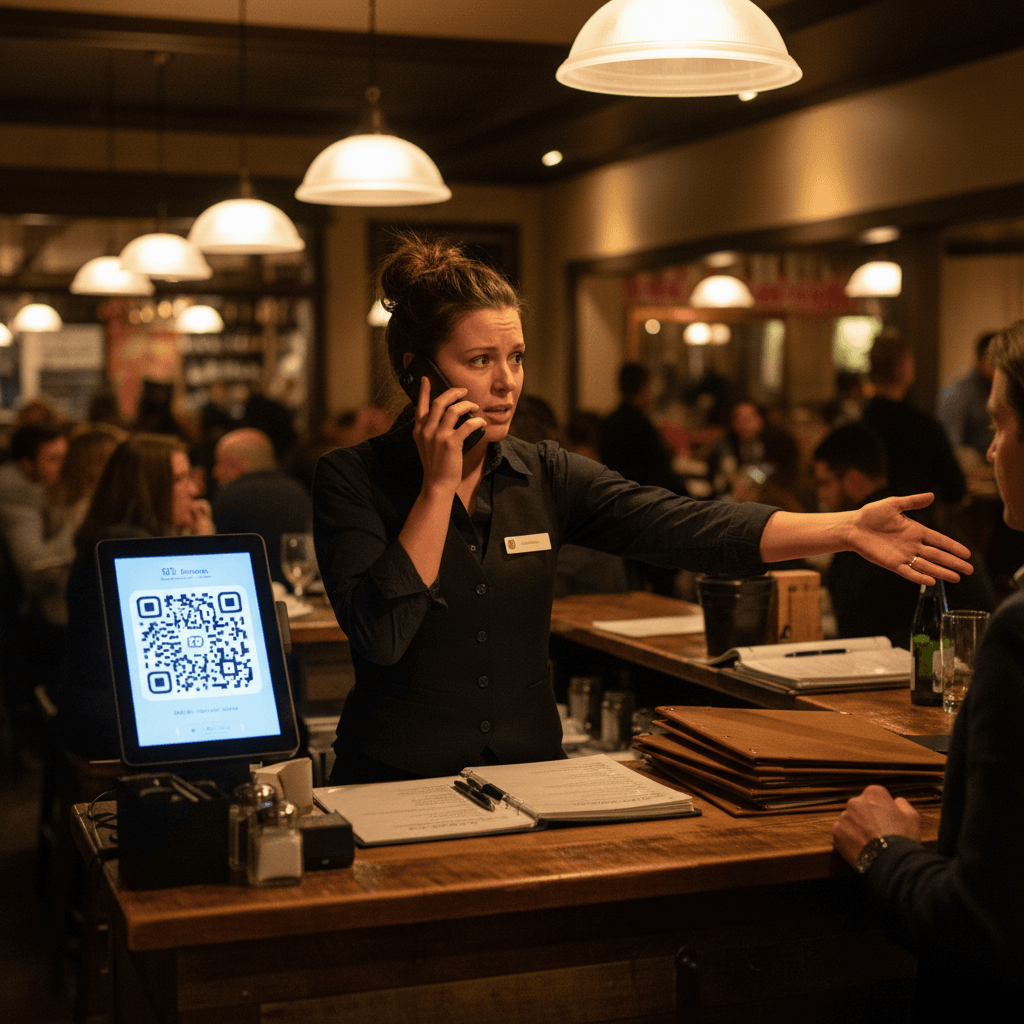
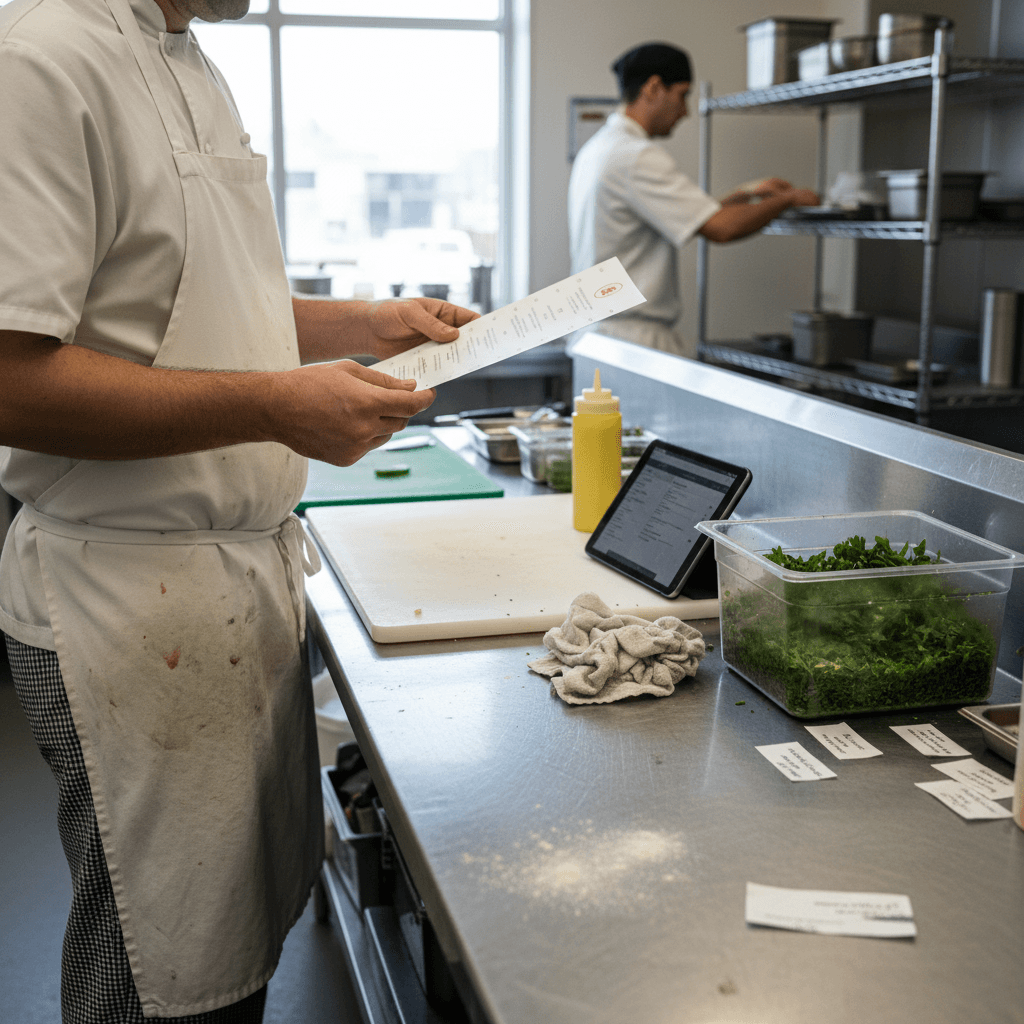
Soft Opening vs Grand Opening: The Real Difference becomes clear at 7:14 PM on a Friday. The first rush hits. The POS system freezes. A server is tapping the screen, then slapping it. The expo station has twelve tickets hanging, but the kitchen printer stopped five minutes ago. The lead cook is yelling "I need two salmon, one medium, one well!" but the ticket for table seven is missing. Drinks aren't being rung in. The manager is running between the host stand and the kitchen with a notepad, trying to write orders down by hand.
This is not a disaster. This is the entire point.
A soft opening exists for one reason: to find every single thing that can go wrong before a paying customer walks through the door. The broken printer, the sticky bathroom door, the cocktail that takes four minutes to make during a rush - you need to see it all. Your friends and family will forgive the chaos. They might even laugh about it. A real customer paying $120 for dinner will not. They will post about it. This controlled breakdown is your most valuable training tool. It connects directly to the systems you need, which we detail in The Restaurant Opening Checklist That Actually Works.
The Rule: If nothing breaks during your soft opening, you invited the wrong people or you didn't push hard enough.
You need to simulate real pressure. That means a full reservation book. It means running the menu at 100%, not 50%. It means telling your bartender to make every cocktail on the list, even the complicated one with three different syrups. The goal is to create bottlenecks on purpose so you can find them and fix them. A smooth soft opening is a failure. You want the printer to jam so you learn where the backup paper is stored. You want a server to forget an allergy modification so your kitchen learns the new verbal call-back procedure.
Your Contrarian Rule: Invite Critics First
Most owners make a comforting mistake. They fill their soft opening with their easiest, most supportive friends. These people will smile and say everything is wonderful while their steak is overcooked and their wine is warm. This feels good but teaches you nothing.
You need the opposite crowd.
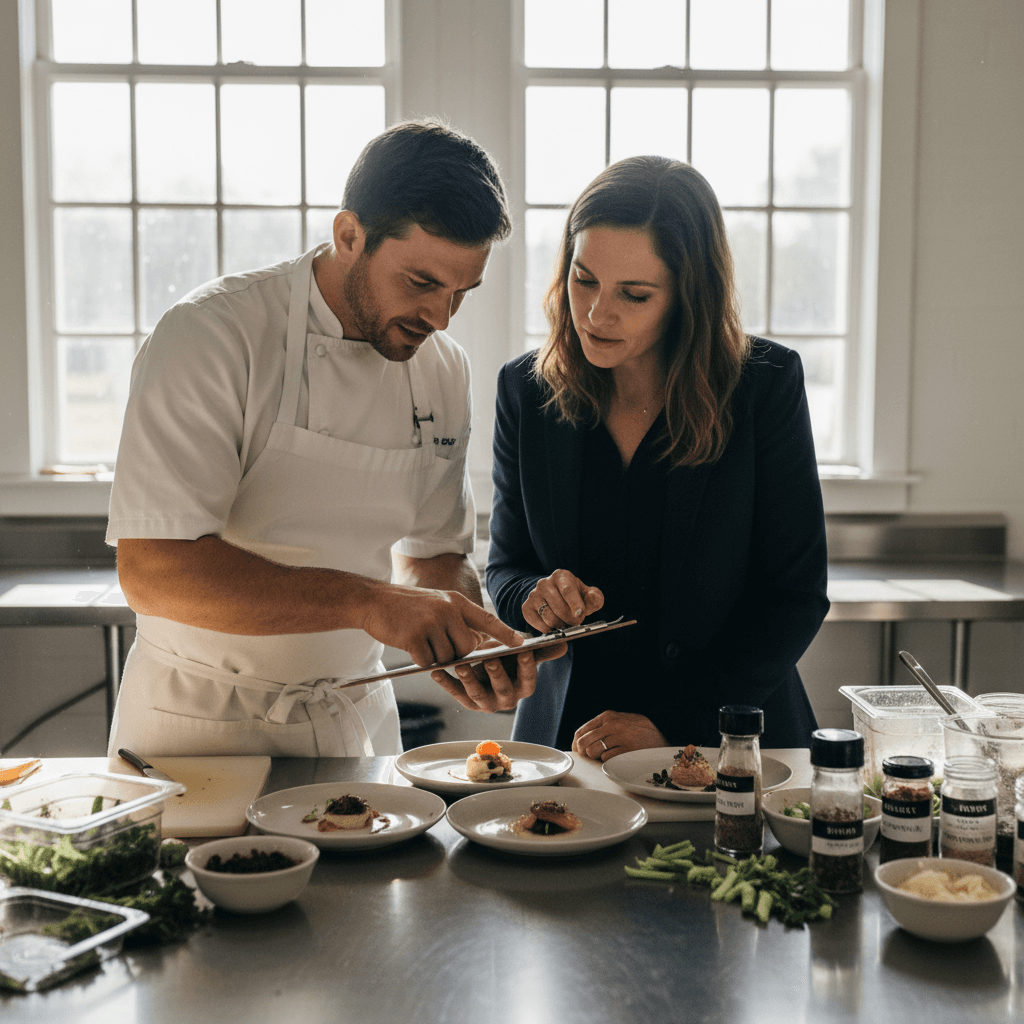
Invite the pickiest foodie you know - the one who sends back dishes at Michelin-starred restaurants. Invite your most impatient business partner who checks their watch every two minutes. Invite the server who just left your biggest competitor and knows all their tricks. These people will give you the brutal, honest feedback that saves your reputation on opening night. They will tell you the music is too loud in the corner booth. They will point out that the bathroom door sticks. They will say the signature cocktail tastes weak.
Create a physical feedback board in the kitchen where everyone can see it.
Use a large whiteboard or a giant sheet of paper taped to the wall. Every complaint, note, or observation gets written there in real time. "Fries cold at pass." "Host stand ran out of menus." "Bar backup gin not accessible." This visual system does two things. First, it shows your team that feedback is immediate and public - no hiding problems in a notebook. Second, it creates a living document of what needs to be fixed before tomorrow night.
Assign one manager to do nothing but watch service flow.
This manager does not seat guests, run food, or help on expo. Their only job is to stand in one spot and observe. They watch how long tickets sit at the printer before a cook grabs them. They time how many seconds it takes for a server to get from table twelve to the POS terminal. They note when the dish pit gets backed up and what caused it. This dedicated observer sees patterns that people in the weeds cannot see.
When Practice Becomes The Problem
You will end your soft opening with pages of notes. The danger is that those notes stay in notebooks and binders instead of becoming action before your next service. You'll have 47 comments about "kitchen timing issues" but no specific fix for Saturday night's reservation list.
This translation from problem to solution is your most critical work.
The note says "fries are cold by the time they reach table six." The fix is not "tell kitchen to cook faster." The fix is specific: install heat lamps at the pass for fried items, and add two minutes to the fryer timer so items come out hotter and hold better. The note says "server confused about table numbers." The fix: repaint floor markers before dinner service and run a 10-minute table numbering drill with all front-of-house staff at 4 PM.
Create a 24-hour turnaround plan between soft opening nights.
Hold your debrief meeting immediately after service, while everything is fresh. Review every item on the physical feedback board. For each problem, assign one person to own the solution and set a deadline of "before next service." This creates urgency and accountability.
- Problem: Expo couldn't read server handwriting on dupes.
- Solution Owner: General Manager.
- Fix: Implement mandatory all-caps ticket writing rule; post example at each POS.
- Deadline: 3 PM tomorrow.
This process turns vague complaints into operational changes your team can execute during their next shift.
What Your Grand Opening Should Feel Like
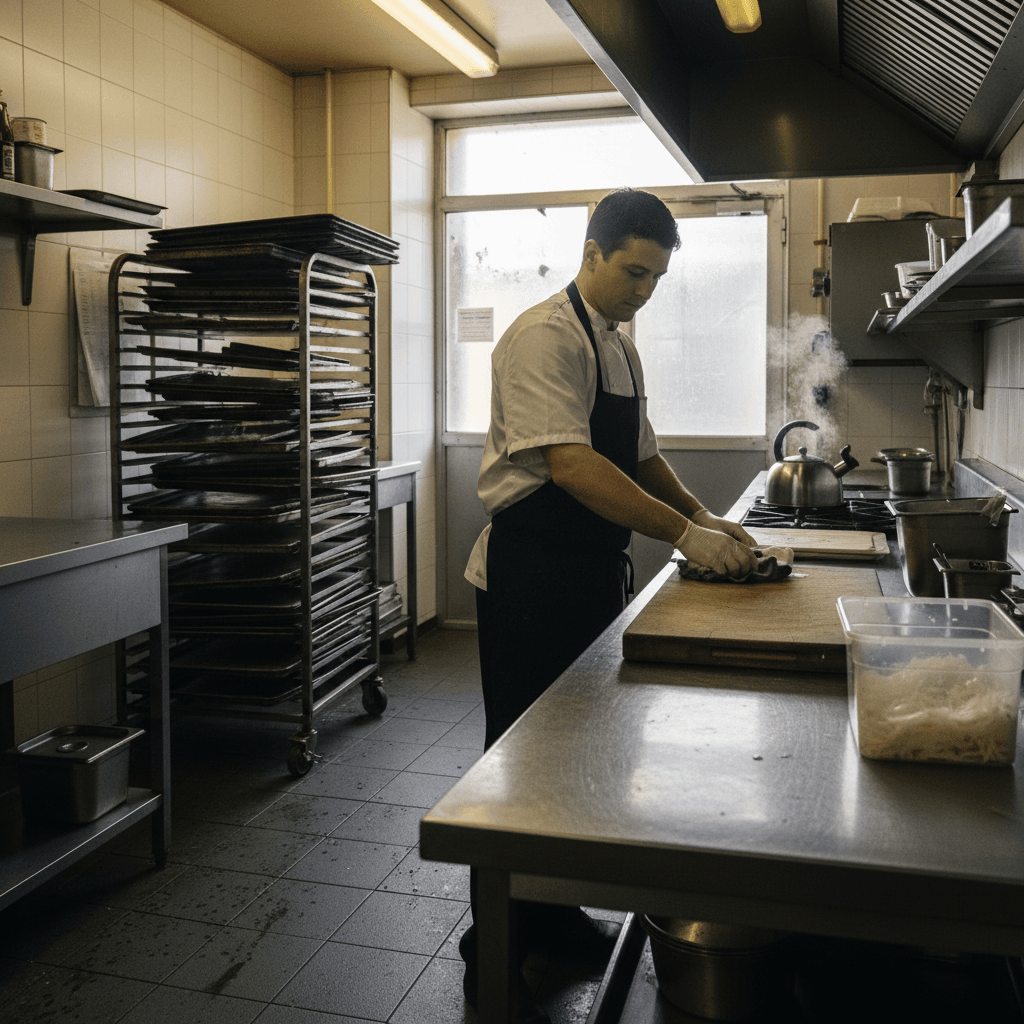
By the time you cut the ribbon for paying customers, practice must be over. Your staff should have muscle memory for their stations. The host should know how to calmly explain a 45-minute wait and offer to take a phone number for a callback. The bar should have backup bottles of well liquor within arm's reach, not in a locked storeroom downstairs.
Your grand opening should feel like a performance, not another test.
The transition from testing mode to performance mode requires a final checklist.
- All equipment has been tested at full capacity during peak hours.
- Every staff member has worked at least two full shifts in their role.
- Backup plans are written down for your top three failure points (e.g., POS down, walk-in cooler alarm, no-show dishwasher).
- You have hard metrics for what "ready" means: food ticket times under 18 minutes for entrees, bar drink ticket times under 5 minutes, table turn time estimated within 5 minutes of reality.
This readiness comes from embracing the chaos of your soft opening and systematically eliminating each point of failure.
The manual systems described here - feedback boards, observer managers, 24-hour fix cycles - work. They require discipline and relentless follow-through from leadership. For teams that master this manual process, modern digital tools can then automate the repetitive parts of this workflow. Kitchen display systems can eliminate handwritten ticket errors and provide precise cook times. Digital checklists can ensure every pre-shift task is completed and logged. These tools solve residual pain after you've built solid operational habits.
Taking the Next Step
The difference between a soft opening and a grand opening is not about scale or publicity. It's about moving from finding problems to executing solutions flawlessly under pressure.
The logic is straightforward: break everything in front of forgiving guests so nothing breaks in front of paying ones.
If your team is preparing for this critical transition and needs systems to track feedback and turn it into action before opening night, view our pricing for platforms designed around this exact operational challenge or start a free trial to build your digital playbook before your first reservation hits the book