Poolside Food Ordering That Actually Works
Stop losing poolside revenue to soggy tickets and cold food. Practical fixes for chaotic ordering, slow delivery, and wasted staff time at hotel pools.
The Poolside Ordering Nightmare
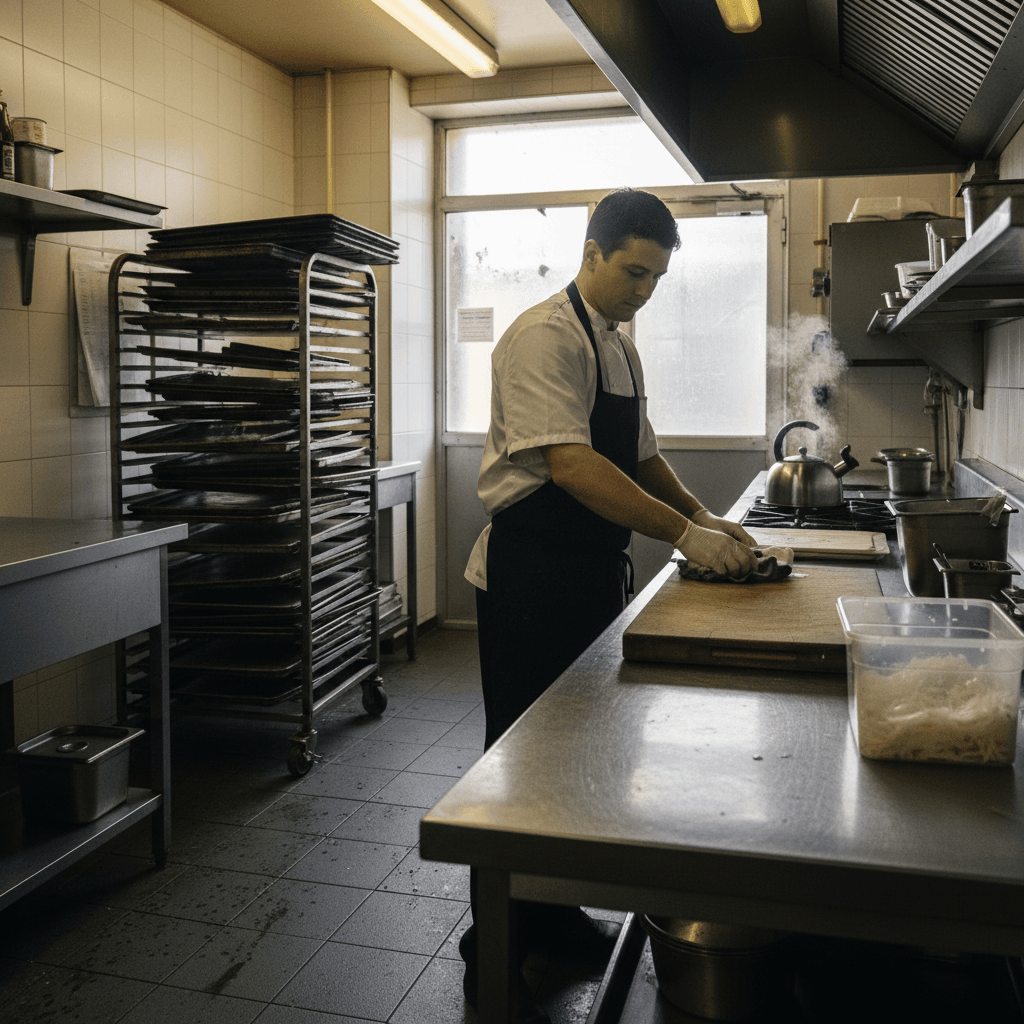
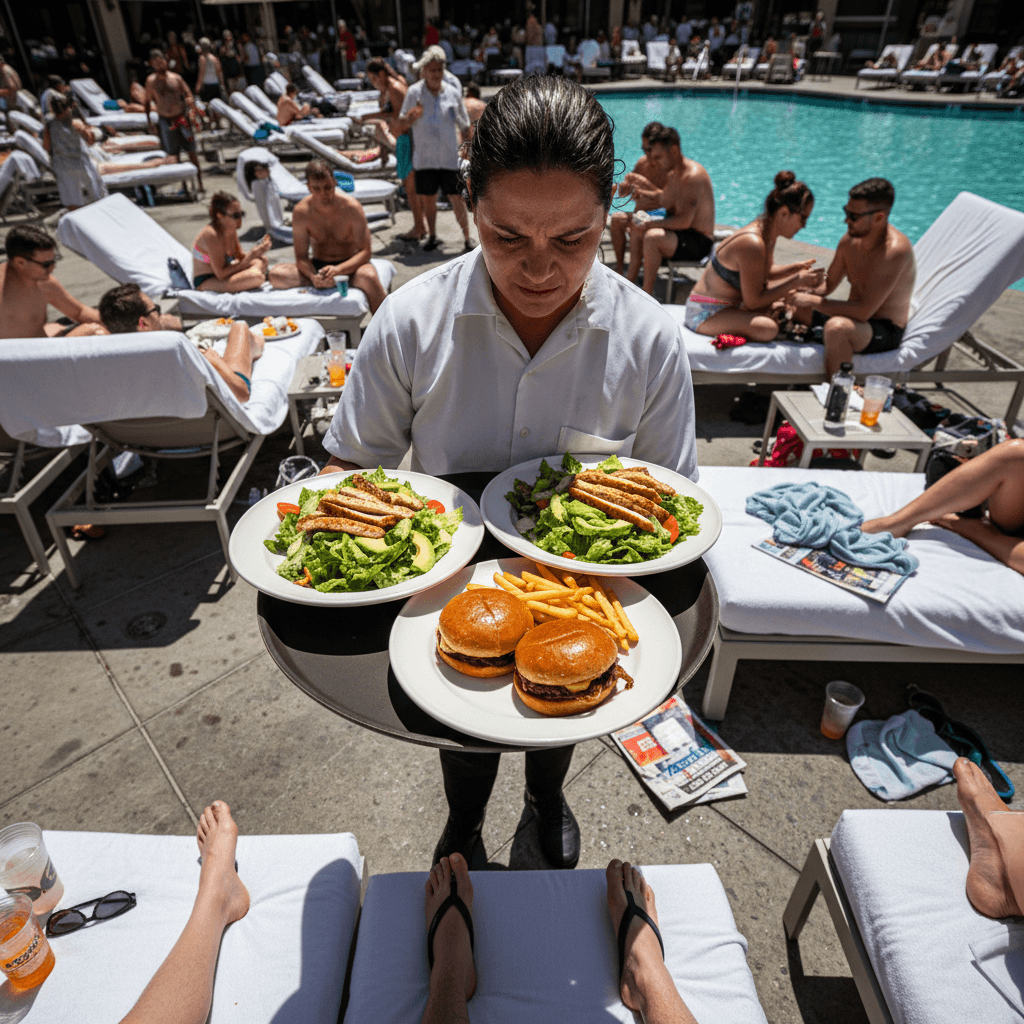
Picture this: It's 2 PM on a Saturday. The pool is packed. A server takes an order for three burgers, two salads, and drinks. They write it on a soggy ticket that's been in their pocket for an hour. They walk back to the kitchen - five minutes each way. The kitchen gets the ticket 10 minutes after the guest ordered. The food takes 15 minutes to cook. By the time it reaches the poolside guest, 30 minutes have passed. The fries are cold. The guest is angry. The server is exhausted from walking miles in flip-flops.
This isn't just bad service - it's lost revenue. Every minute guests wait is another minute they're not ordering another round of drinks. Every cold plate is a negative review waiting to happen.
Poolside Food Ordering That Actually Works starts by fixing the manual process before you even think about technology. The chaos you're experiencing has predictable causes and clear solutions. This connects directly to the broader operational strategy we cover in Room Service That Actually Works, which breaks down how to fix cold food, long waits, and wasted labor across all hotel dining operations.
The problem isn't your staff's effort - it's your system's design. When servers become human fax machines carrying paper between distant points, failure is guaranteed. You're asking people to overcome physics with hustle, and physics always wins.
The 15-Minute Poolside Drill
Here's what actually works: Create a dedicated poolside station with prepped items that travel well. Think cold salads in sealed containers, burgers wrapped in foil immediately off the grill, fries in paper cones that stay crispy longer.
Hard Truth: Your fancy poolside menu is killing your service times. Guests don't want gourmet at the pool - they want fast, fresh, and portable.
Train one server as the dedicated 'pool runner' who does nothing but shuttle food from kitchen to pool. Give them a radio to call ahead when they're two minutes out so servers can meet them at the pickup point. Use color-coded trays - red for hot items that need immediate delivery, blue for cold items that can wait a minute.
The Rule: No server leaves the pool area during peak hours except for bathroom breaks. Their entire shift happens within 50 feet of the water's edge. This single change cuts walking time by 80% and keeps eyes on guests who need refills.
Set up a simple staging area at the pool entrance with insulated bags for hot food and coolers for cold drinks. Your pool runner drops orders here, servers grab their assigned trays, and everyone returns to hospitality instead of transportation.
Menu engineering matters here too. Contribution margin is what's left after food cost - it pays for everything else. A $16 burger that costs $4 to make has a $12 contribution margin. That $12 pays your servers, covers pool maintenance, and becomes profit if you manage it right.
Design your pool menu around items with high contribution margins that also travel well. Nachos with pre-melted cheese sauce hold better than delicate fish tacos. Wrapped sandwiches beat open-faced bruschetta every time at 30 yards.
When Your Staff Becomes Traffic Controllers
The bottleneck hits when you're successful. Now you have 20 orders coming in at once during peak hours. Your 'pool runner' can't keep up. Servers start making their own trips to the kitchen, creating chaos at the pass.
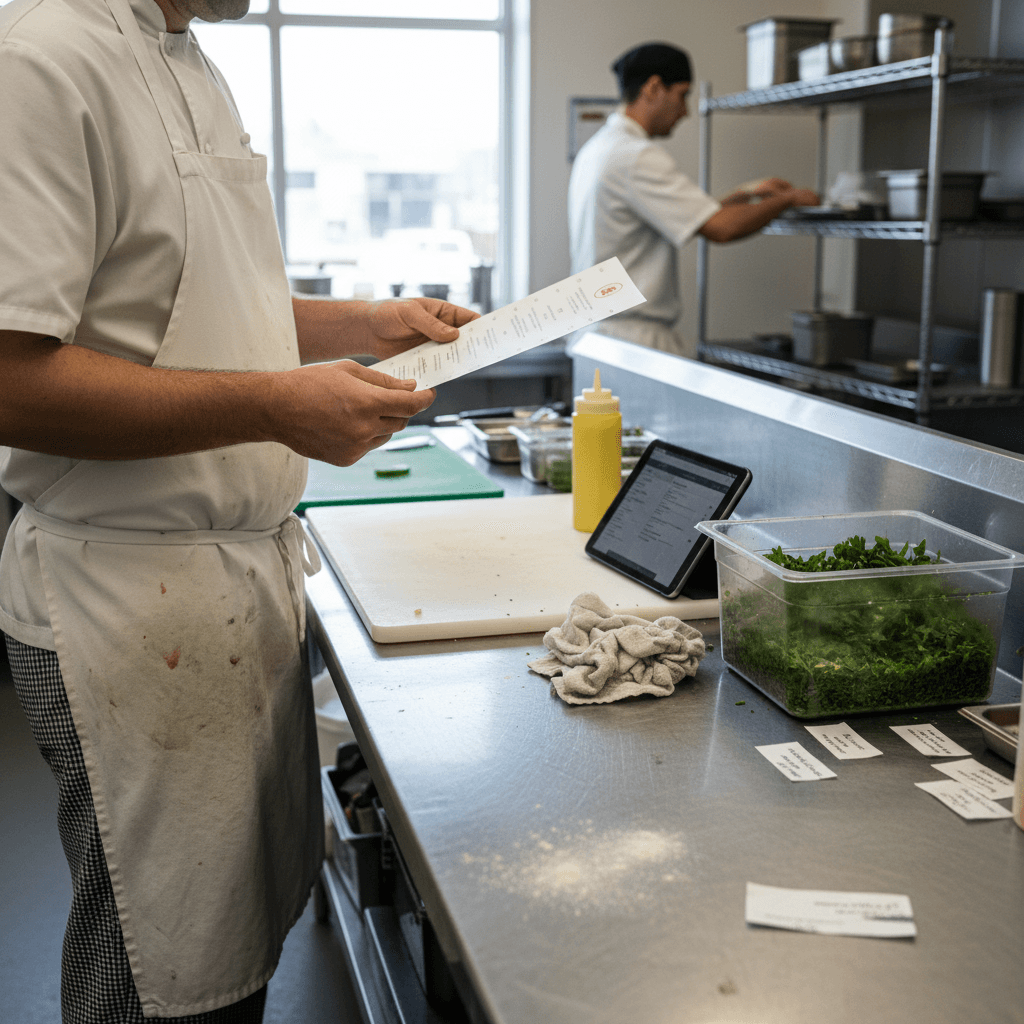
The kitchen printer spits out tickets faster than cooks can read them. Expo is calling three orders at once. Hot food sits under heat lamps while someone finds the right server. Cold drinks warm up in the sun during handoffs.
This is where manual systems break down completely. You need more than better training - you need a system that removes the middleman from order transmission.
Watch your expo station during Friday lunch rush. Count how many times someone asks "Whose order is this?" or "Did table 14 order fries or salad?" Each question adds 30 seconds of delay while food temperature drops.
Create a visual order board using dry erase markers and colored magnets. Each server gets a color. When an order goes to kitchen, they place their colored magnet next to the table number on the board. Expo matches finished plates to magnets instantly.
Prime cost is your total cost of goods sold plus labor - it's what you spend before profit happens. Every minute of wasted staff time during peak hours increases your prime cost without generating revenue. Four servers walking to kitchen instead of serving guests might cost you $20 in labor while losing $100 in potential drink sales.
Standardize your communication phrases over radio or hand signals. "Runner inbound with hot" means drop everything and meet me now. "Cold staging" means I'll leave it at the station for pickup when convenient. These simple protocols prevent shouted conversations across crowded decks.
From Chaos to Calm Service
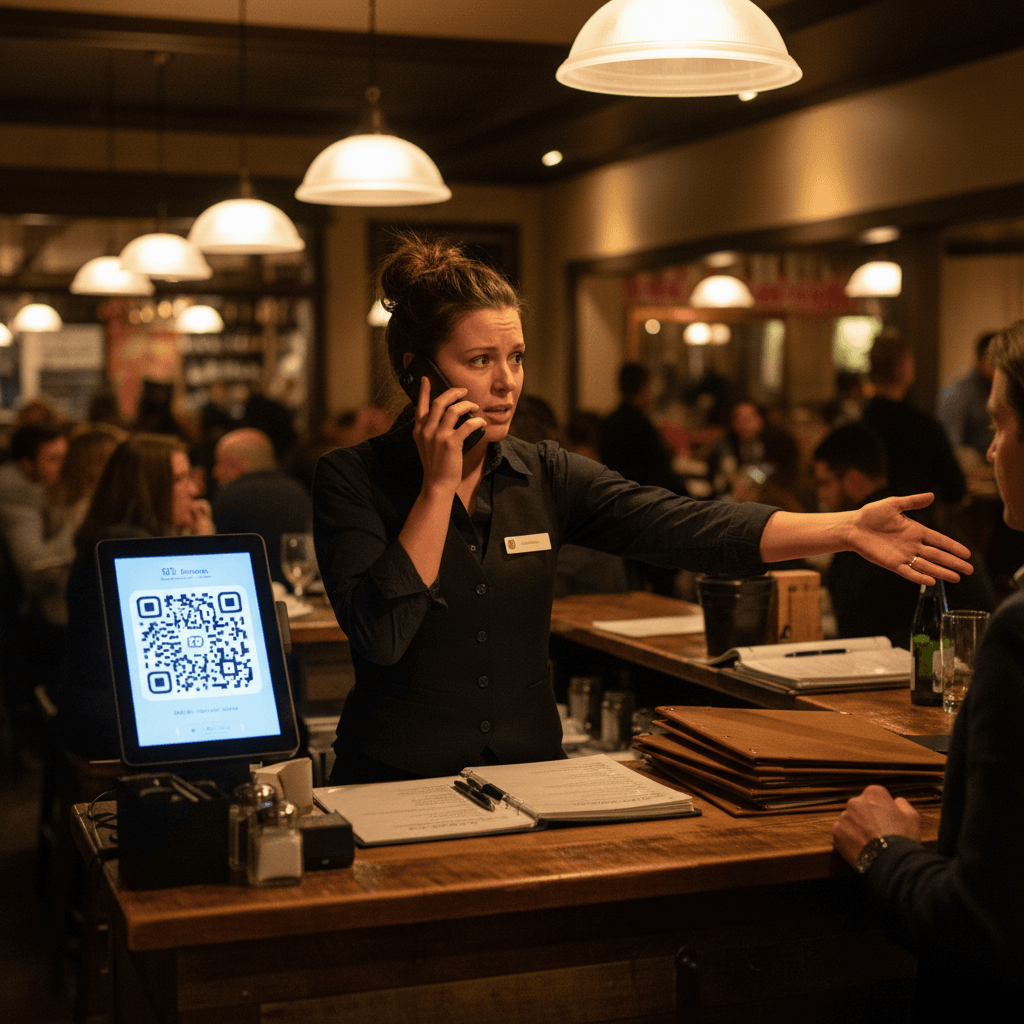
The solution isn't more staff - it's smarter ordering flow. Imagine if guests could order directly from their lounge chairs using their phones, with orders printing directly in the kitchen exactly as entered.
No more misheard orders over pool noise. No more soggy tickets lost between stations. No more servers playing telephone between guests and kitchen.
The kitchen gets accurate orders immediately, starting prep while servers are still taking drink orders at other tables. Food times drop from 30 minutes to 15 minutes or less during peak hours.
Your staff stops being order-takers and becomes hospitality experts - checking on guests, delivering food hot, suggesting another round before glasses are empty.
This isn't about technology replacing people. It's about removing the friction that makes good people look bad and turns hungry guests into frustrated ones.
The real win? When your poolside service becomes so reliable that guests order multiple rounds without hesitation - turning your pool from a cost center into your most profitable daytime venue.
Manual fixes require constant discipline and supervision. They work beautifully until someone forgets to wrap the burgers or misplaces the color-coded trays. Modern digital tools can automate these repetitive parts of your workflow.
Kitchen display systems show orders exactly as entered, eliminating transcription errors between server and cook. Digital ordering platforms let guests send requests directly from phones, freeing servers for delivery and hospitality tasks rather than note-taking.
Taking the Next Step
Poolside chaos has clear causes and practical solutions. Start with manual fixes today - simplify your menu, create dedicated roles, establish visual systems anyone can follow during busy shifts.
When you're ready to remove human error from order transmission and gain real-time visibility into what's selling versus what's waiting, digital tools exist that automate exactly this workflow.
Measure your current average ticket time from order to delivery during peak hours tomorrow afternoon, then implement one manual fix from this article for next weekend's service view our pricing when you're ready to scale what works or start a free trial to see how automation handles volume without adding staff stress