How to Handle Understaffed Shifts Without Burning Out
Practical strategies for managing short-staffed shifts while maintaining service quality. Learn how to prioritize tasks, communicate effectively, and keep your team from breaking.
When You're Short-Handed and Service Can't Wait
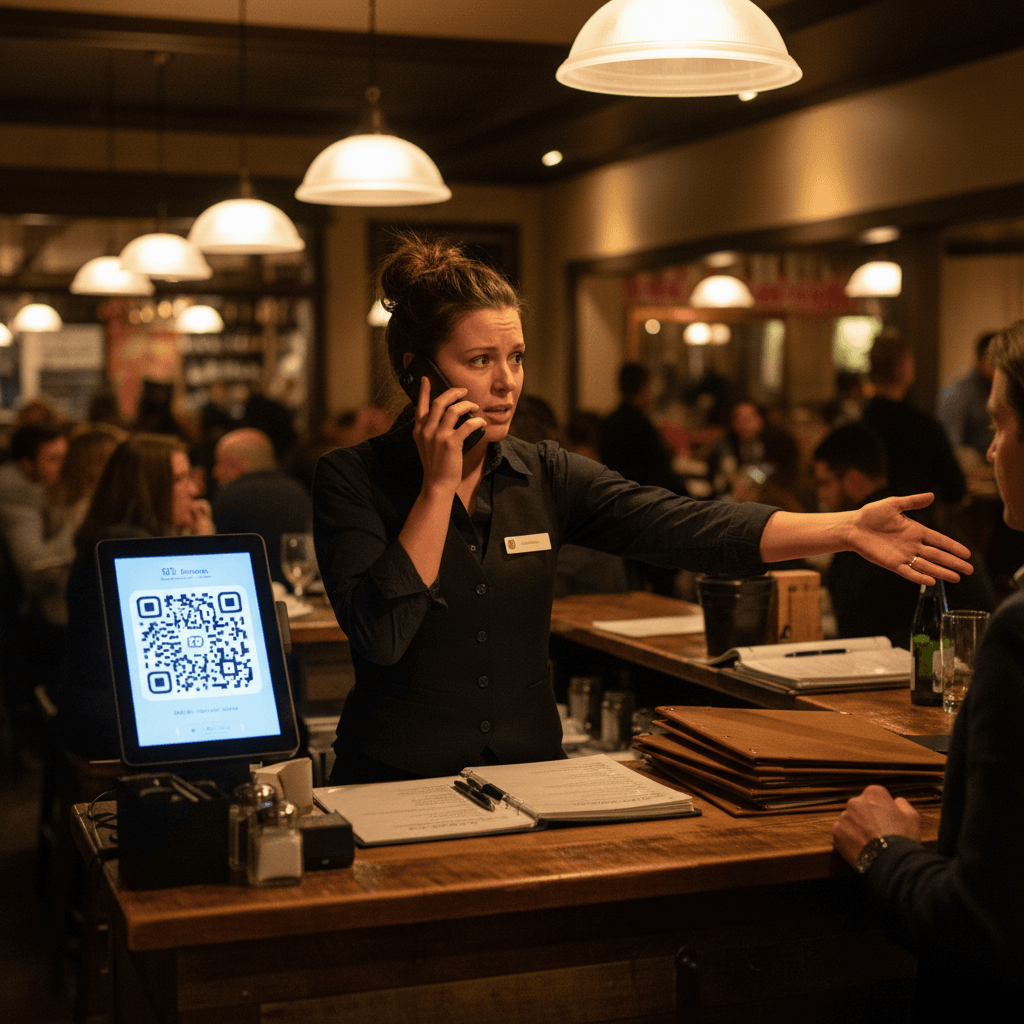
How to handle understaffed shifts without burning out starts the moment you see three tables walk in and only two servers on the floor. It's 6:45 PM on a Friday. Your expo is calling three orders at once, your bartender is making drinks for the entire dining room, and your line cook just asked for the third time which mod goes on which steak. The sinking feeling isn't about tonight's sales - it's about watching your team fracture under pressure they didn't create.
This is the operational reality of being short-staffed. You're not trying to maintain perfect service. You're trying to prevent a complete breakdown that costs you staff for next week, too. The goal shifts from excellence to survival with dignity intact. This connects directly to sustainable staffing strategies we cover in Cutting Labor Costs Without Cutting Corners, which builds the foundation for managing these inevitable situations without sacrificing your team's well-being.
Stop trying to do everything with half the people. That path leads directly to burnout, mistakes, and walkouts. The math doesn't lie: four people cannot physically do the work of eight during peak volume. Accepting this fact is your first step toward a manageable shift.
The 15-Minute Reset That Changes Everything
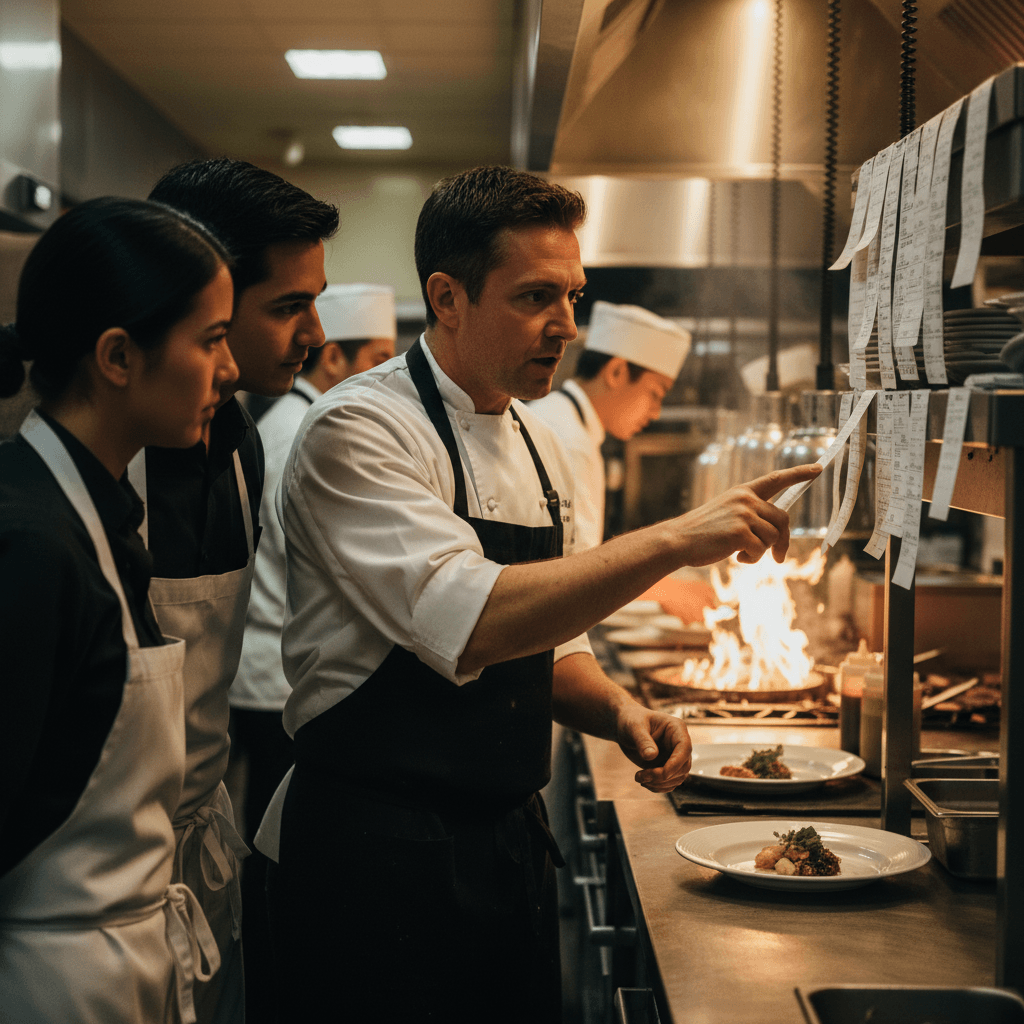
Before service begins, call everyone together. This meeting lasts fifteen minutes maximum. You are not asking for opinions. You are declaring what tonight will look like.
Start with the hard truth: "We're down three people. Normal service is off the table." Then immediately pivot to what you will do well. Be specific. "Tonight, we will get food out hot and drinks out fast. We will communicate every change clearly. We will help each other without being asked."
The Rule: Decide what you will do well tonight - not what you'll try to do.
Assign clear zones instead of traditional roles. Your bartender might cover the first four tables for drink orders. Your most experienced server becomes the floating support, running food and bussing where fires are hottest. Your line cook knows they're getting fewer mods because you're simplifying the menu.
This reset does two things. It sets realistic expectations for your team, removing the guilt of "not doing enough." More importantly, it creates a shared mission instead of individual panic. Everyone knows the plan, everyone knows their modified role, and everyone knows what success looks like tonight.
Your Menu Is Your Secret Weapon
Most restaurants make a critical error when short-staffed: they keep serving the full menu. This is backwards thinking. Your menu should shrink before your staff does.
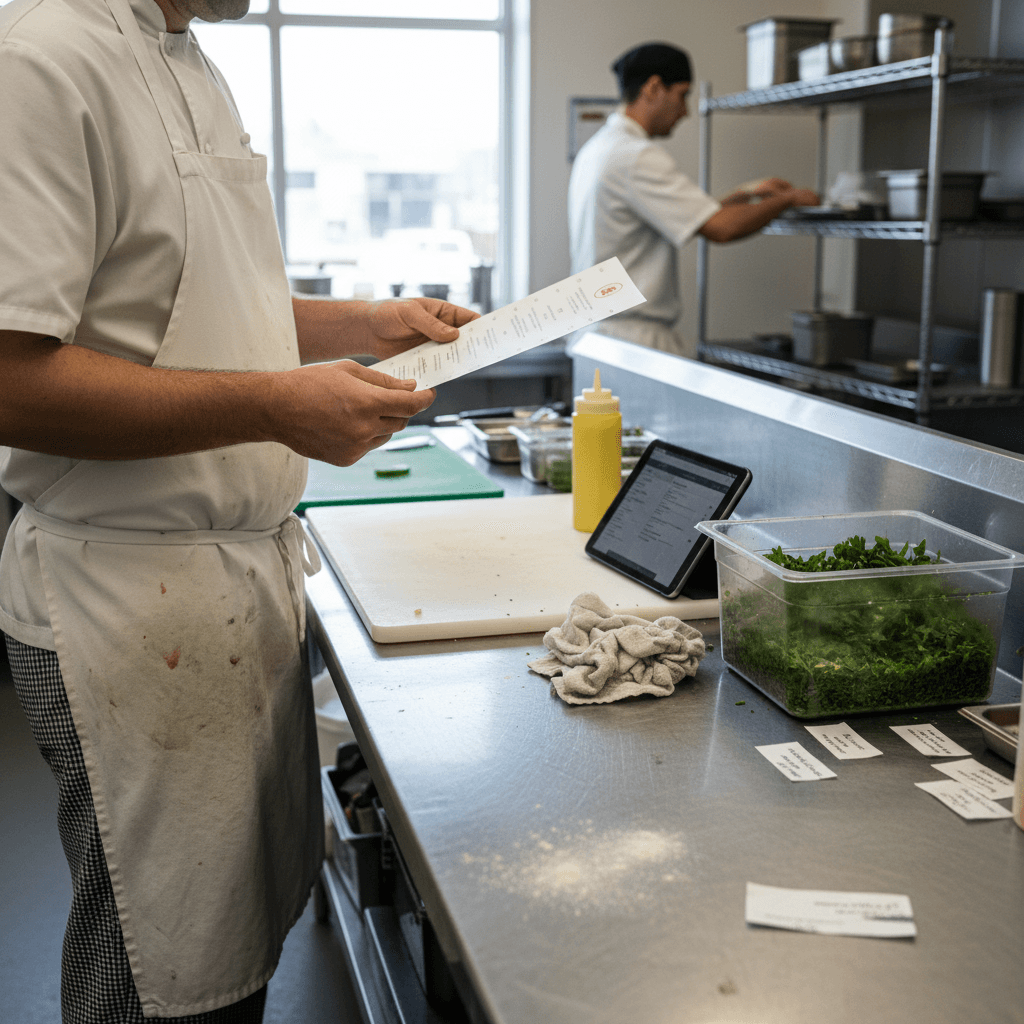
Take five minutes before service and identify your three highest-profit, fastest-to-make items. These are your anchors for the night. Print a simple insert or tell servers: "Guide guests toward the burger, the roasted chicken, and the pasta."
Why these three? Contribution margin - what's left after food cost - matters more than ever when you're lean. A $16 burger that costs $4 has a $12 contribution margin. A $24 steak that costs $12 and takes twice as long to cook has the same margin but halves your kitchen's output speed.
The operational win is consistency and speed. Your kitchen makes the same three dishes repeatedly, building muscle memory and cutting plating time. Your expo isn't deciphering twelve different presentations. Your servers aren't explaining complex specials.
Communicate this change positively to guests. Servers should say, "Our kitchen is focusing on our most popular dishes tonight to ensure everything comes out perfectly timed." This frames simplification as a quality choice, not a limitation.
When Communication Becomes Your Bottleneck
The real problem isn't missing bodies - it's missing information flow. With fewer people running between stations, every miscommunication costs twice as much time.
Picture this: a server takes a modded order, walks to the kitchen to tell the line cook, then walks to the bar to tell the bartender about a cocktail change, then returns to their section. That's three trips that wouldn't happen with full staff. Those minutes add up fast across fifty covers.
Simplify communication channels immediately. Designate one physical spot for all changes - a central clipboard, a specific corner of the pass. The Rule: If it's not written in that one place, it doesn't exist.
Implement brutal clarity in verbal calls. "Fire two burgers, one well" becomes "Table 14: Two burgers, one well-done." Include the table number every time so everyone knows the context without asking.
Create visual signals for critical needs. A red cup on the expo station means "we're in the weeds, run your own food." A green cup means "expo has capacity to run food for you." These non-verbal cues save precious seconds when voices are drowned by noise.
Building a Team That Can Bend Without Breaking
The next understaffed shift is coming. Maybe tomorrow, maybe next week. Your preparation between those shifts determines whether you survive or break.
Start cross-training now, not during Friday dinner rush. Spend thirty minutes each week having your bartender learn basic food running. Have a server shadow expo for one lunch shift. This isn't about making everyone an expert at everything - it's about creating basic competency so no single point fails.
Create simple checklists for crunch time roles. What does "helping expo" actually mean? The checklist says: 1) Wipe plates, 2) Garnish finished dishes from station A, 3) Call runner when rail is full. Anyone can follow these steps without detailed explanation in the moment.
Build a culture where helping isn't extra work - it's how you survive busy nights together. Recognize and thank specific acts of teamwork publicly after each shift. "Jamie ran food for three sections while managing her own tables tonight." This reinforces that flexibility is valued above rigid role adherence.
The manual systems work - clear communication hubs, simplified menus, cross-trained teams - but they require constant discipline and attention from already-busy managers. Modern digital tools can automate much of this workflow friction without adding mental load.
Kitchen display systems ensure mods reach every station simultaneously, eliminating those time-consuming trips between kitchen and bar. Digital ordering platforms can highlight your simplified menu choices automatically, guiding guest decisions before servers even reach the table. Scheduling platforms with integrated communication keep everyone aligned on tonight's plan before they clock in.
Taking the Next Step
Handling an understaffed shift comes down to resetting expectations early, simplifying operations ruthlessly, and building a team that moves as one unit under pressure. The logic is clear: you cannot do everything with half the people, so you must choose what matters most tonight.
These strategies turn panic into a manageable plan that keeps your team intact for tomorrow's service.
The systems described here work manually, but implementing them consistently across every short-staffed shift requires tools that reduce friction where it hurts most - in communication flow and task coordination during peak pressure moments. View our pricing to see how digital coordination tools fit into your specific operation scale. Start a free trial to experience how automated communication flows change your next Friday night with two call-outs from frantic to focused