Grand Opening Party Ideas That Actually Work
Skip the generic ribbon-cutting. These are the opening party strategies that build real buzz and avoid day-one disasters, based on 15 years of restaurant openings.
The Opening Night That Falls Flat
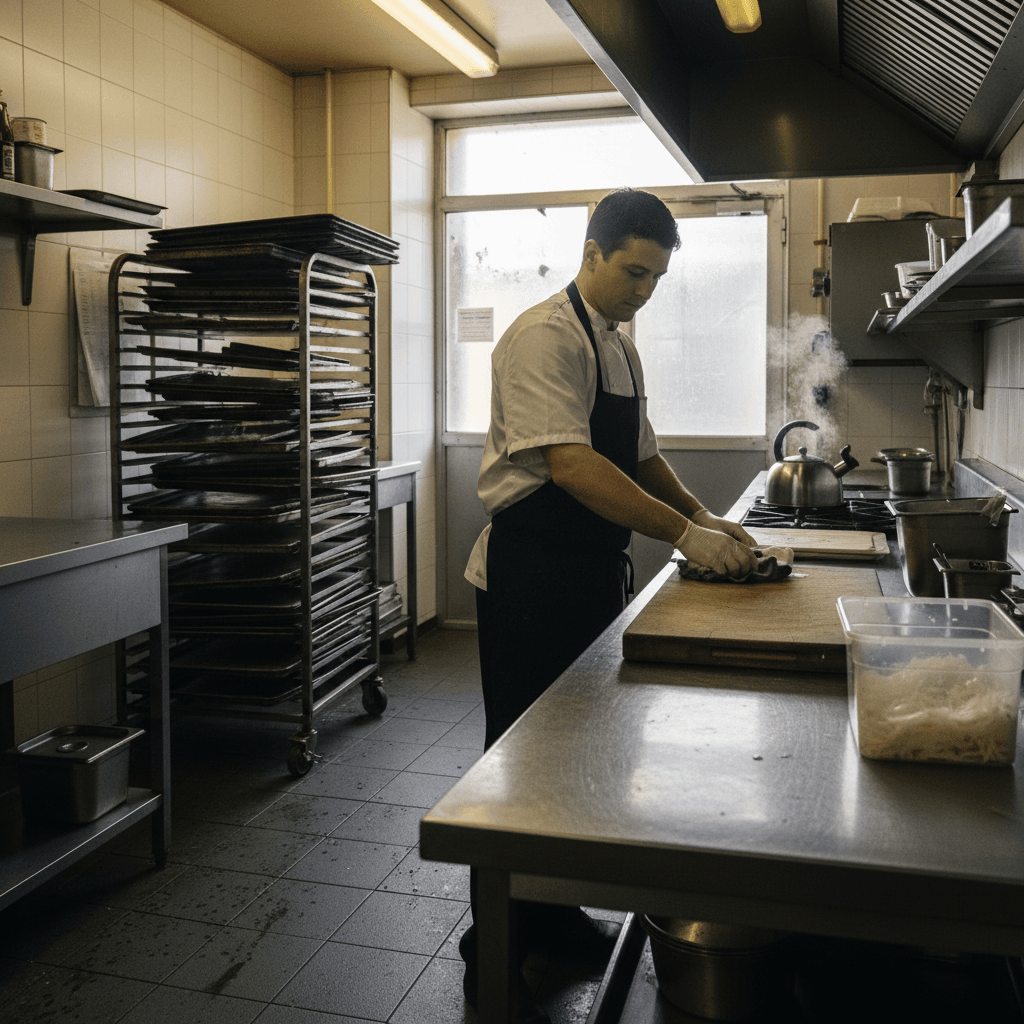
It's 8:17 PM on your grand opening. The champagne is flowing, but the food isn't. Your expo station is buried under a dozen tickets, the kitchen printer is spitting out duplicates, and your best server just spilled a tray of appetizers because they were trying to carry too much. The buzz you wanted has turned into a loud, chaotic hum of frustrated guests waiting for food that should have arrived twenty minutes ago. This scene isn't just stressful - it's expensive. It burns through your opening capital and stains your reputation before you've even served your first paying customer.
Grand Opening Party Ideas That Actually Work start by avoiding this exact disaster. Most owners treat their opening night like a celebration. They should treat it like a military exercise. The three most common mistakes are over-inviting, under-staffing, and forgetting that a party is still a service. You invite everyone you know to create buzz, but you haven't trained your team to handle a full house. You serve free drinks and food, but you haven't tested your ticket flow under real pressure. The celebration becomes chaos because you planned for photos, not for the physics of a busy restaurant. For the foundational systems that prevent this collapse, from staffing matrices to equipment checks, the manual process is detailed in The Restaurant Opening Checklist That Actually Works.
The Rule: Your opening party is not a party. It is a paid dress rehearsal where the currency is goodwill instead of cash.
The Guest List That Builds Real Momentum
After understanding why parties fail, you need to build the right audience to succeed. The hard truth is that your friends and family are the worst first customers. They will forgive slow service, cold food, and mistakes. They will tell you everything was "amazing" while secretly vowing never to come back on a busy Saturday. This false feedback is worse than no feedback at all. It gives you confidence in broken systems.
The contrarian rule is to build a guest list that serves your business, not your ego. This means mixing three groups in specific ratios. First, invite 30% soft-opening veterans. These are the people who came to your friends-and-family night or tasting previews. They've already seen some hiccups and are invested in your success. They provide calibrated feedback. Second, invite 50% potential regulars from your target neighborhood. These are people who live or work within a ten-minute walk. They are your actual future customer base. Third, invite 20% local influencers and media. Not national bloggers, but local food writers and community Instagrammers with engaged followings.
This mix creates real momentum. The soft-opening group provides a baseline of support. The neighborhood group gives you authentic reactions from real future patrons. The influencer group amplifies the buzz to the right local audience. Avoid the temptation to fill every seat with VIPs. A half-full room of the right people is better than a packed house of people who will never return.
When Party Planning Becomes Service Planning
With the right guests invited, you now face the operational bottleneck every restaurant hits when the champagne stops flowing and the orders start flying. This is where party planning must transform into service planning. Your opening night needs to function as a real service drill.
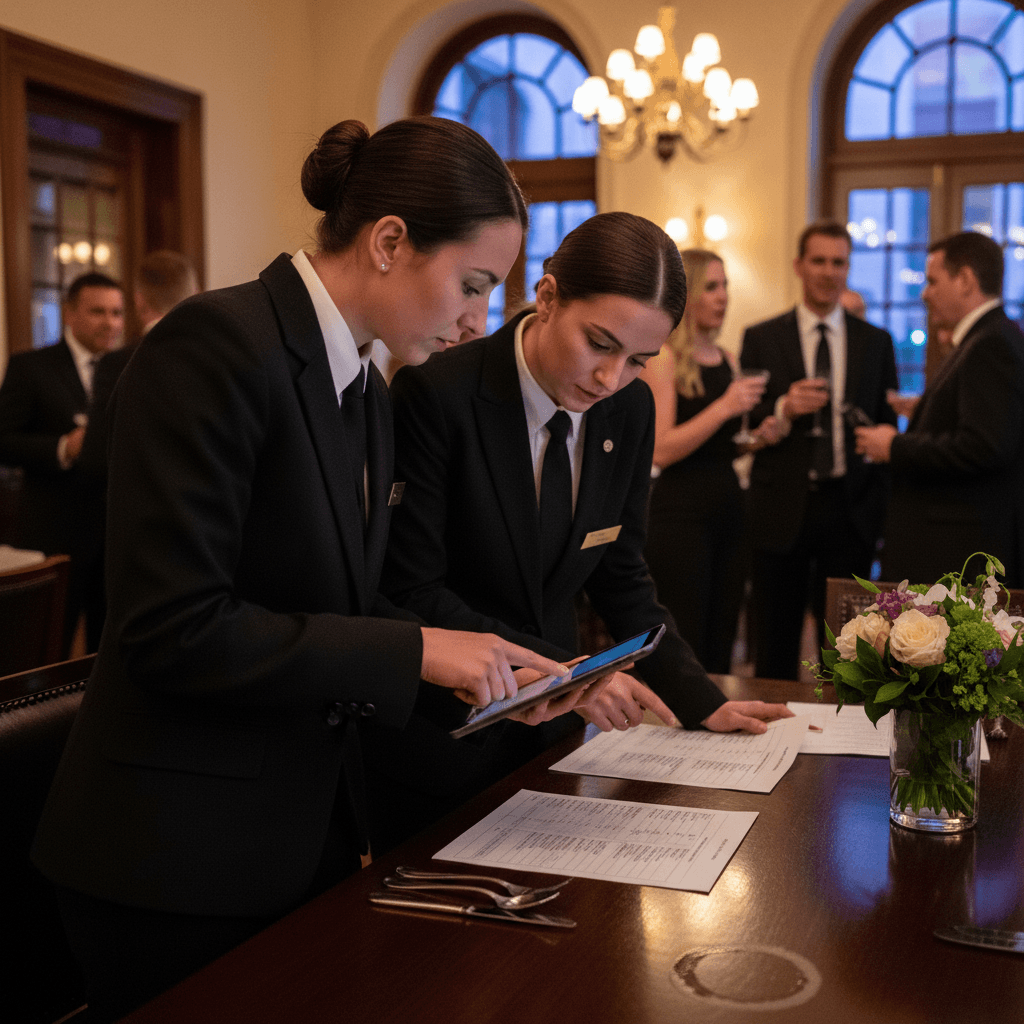
Limit your seating capacity to 60-70% of your actual maximum. If you have 100 seats, sell or give away tickets for 60 people across two seatings. This artificial constraint is your safety valve. It allows your front-of-house team to practice their steps of service without being overwhelmed. It lets your kitchen find its rhythm without getting buried on the sauté station during the first rush.
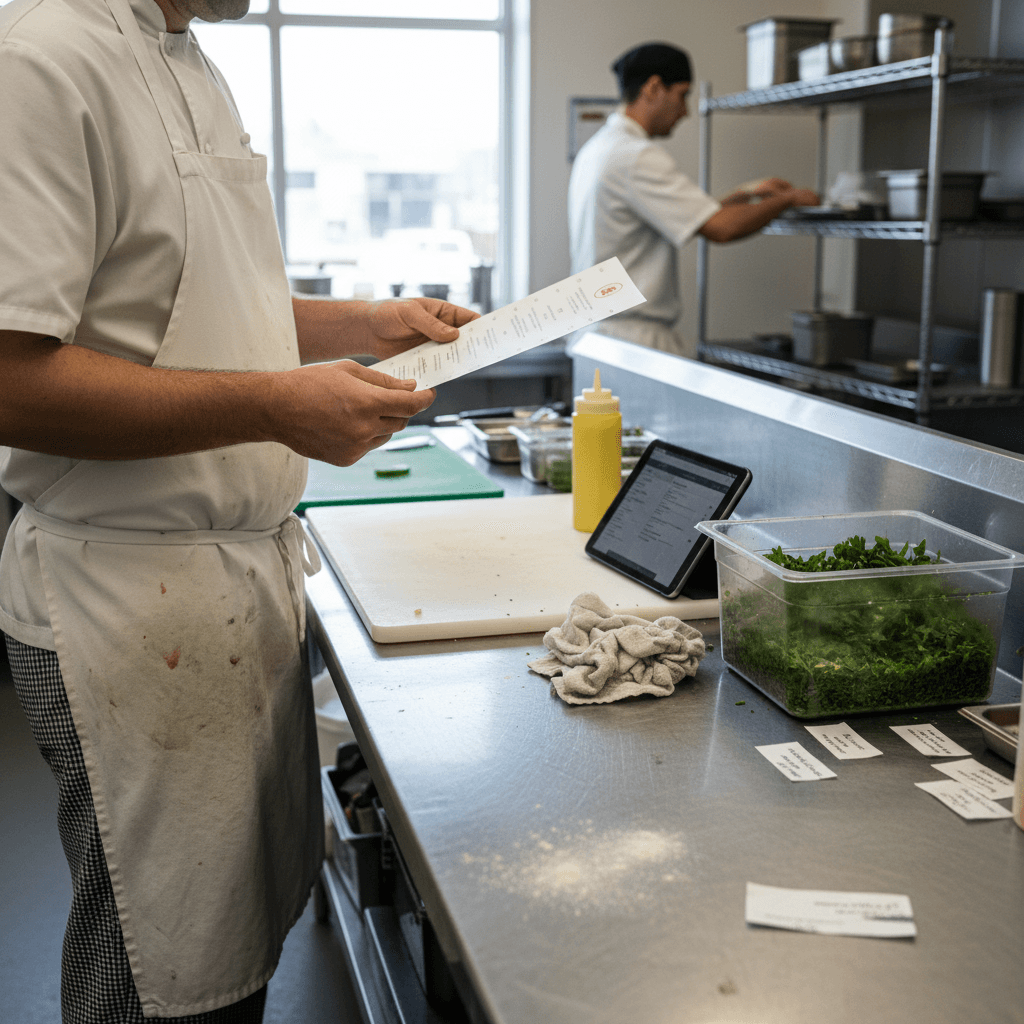
Use this limited service to test one critical system at a time. For the first seating, focus on ticket flow from the point-of-sale system to the kitchen printer. Is it clear? Are modifiers appearing correctly? For the second seating, focus on food running and table maintenance. Can servers deliver hot food promptly while still refilling water glasses? Assign one manager to do nothing but watch the expo line and take notes on where tickets get stuck.
This approach turns celebration into valuable training data. You learn that your pasta station needs a dedicated water pitcher, or that dessert menus should be presented after entrees are cleared, not before. You identify the weak link in your chain before it breaks under full-price, full-capacity pressure.
From First Night to First Month
The last guest has left your controlled opening party. The real work begins now - capturing feedback while it's fresh and turning one-night buzz into regular business. This transition from first night to first month determines whether your opening was a launch or just an event.
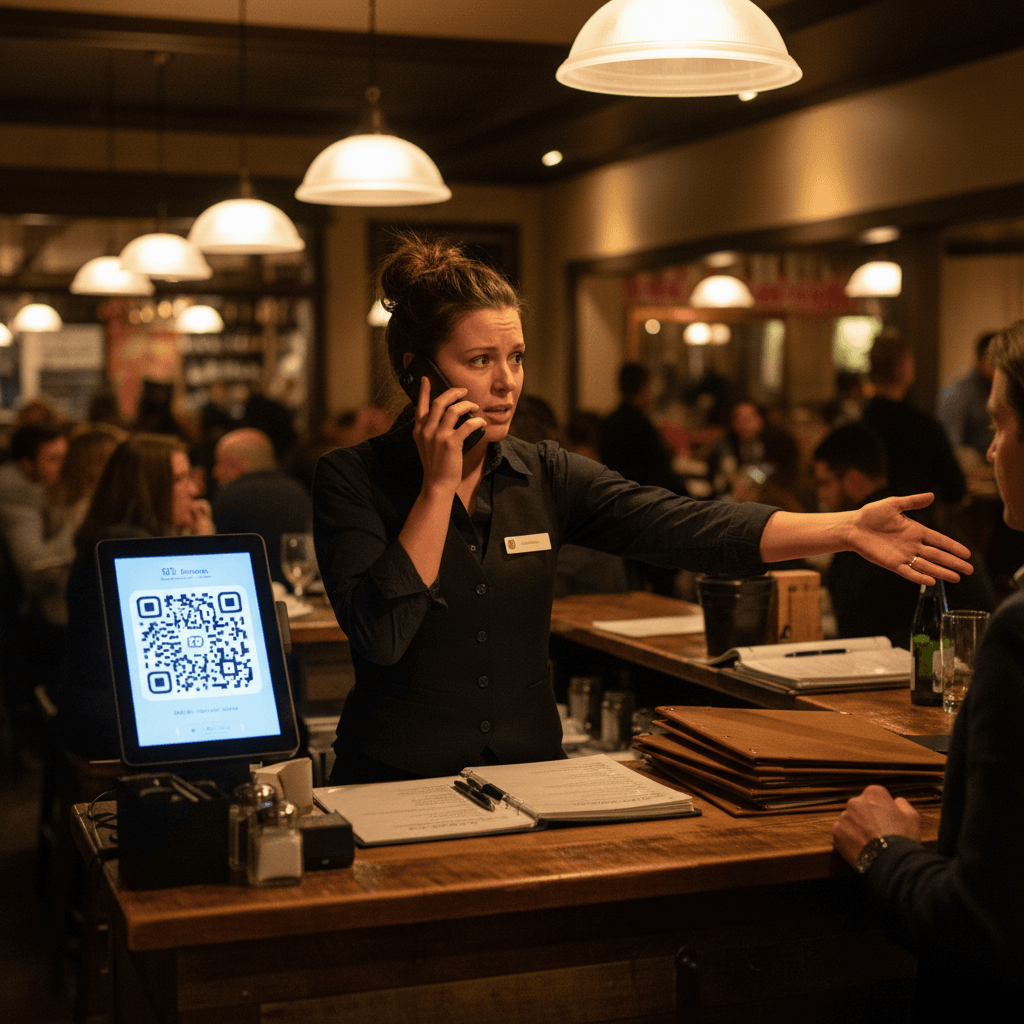
Have a simple feedback system ready before the party ends. Place short comment cards on tables or use a QR code that links to a three-question Google Form: "What was the best thing you ate?", "What one thing should we improve?", and "How likely are you to return in the next month?". The key is immediacy - ask for feedback within 24 hours while the experience is fresh in their minds.
The follow-up system is what converts attendees into regulars. Within two days, send a personalized thank-you email (not a mass blast) referencing something specific - "Thanks for trying the scallops last night! We're adjusting the sear time based on feedback." Then, one week later, send a genuine offer: "As an opening night guest, your next visit includes a complimentary appetizer." This does two things: it makes them feel valued as insiders, and it gets them back in the door during your critical first month when you're refining operations.
This manual process of capture and follow-up builds loyalty better than any advertising spend. It turns attendees into advocates who will fill your tables on Tuesday nights in February when you need them most.
Modern digital tools can automate parts of this workflow once the manual discipline is established. A robust point-of-sale system can track which guests attended opening night and tag them for automated follow-up campaigns. Reservation platforms can help manage limited seating for soft openings and capture guest data from the first click.
Taking the Next Step
The logic behind these grand opening strategies is straightforward: test your systems with control before exposing them to maximum stress, gather real feedback from real future customers, and systematically convert that initial interest into repeat business.
These ideas work because they treat your restaurant like what it is - a complex operational machine that needs breaking in, not just a venue for a party.
To implement this controlled approach efficiently, view our pricing for tools that help manage guest lists, capture feedback, and automate follow-up sequences after events like these. You can start a free trial today to build your opening night contact list and schedule your first post-event email campaign before your final construction walk-through