Forget the 50-Page Restaurant Business Plan
Most restaurant business plans fail because they're written for bankers, not cooks. Here's what actually matters when you're trying to open doors.
Why Your Fancy Business Plan Will Fail on Opening Night
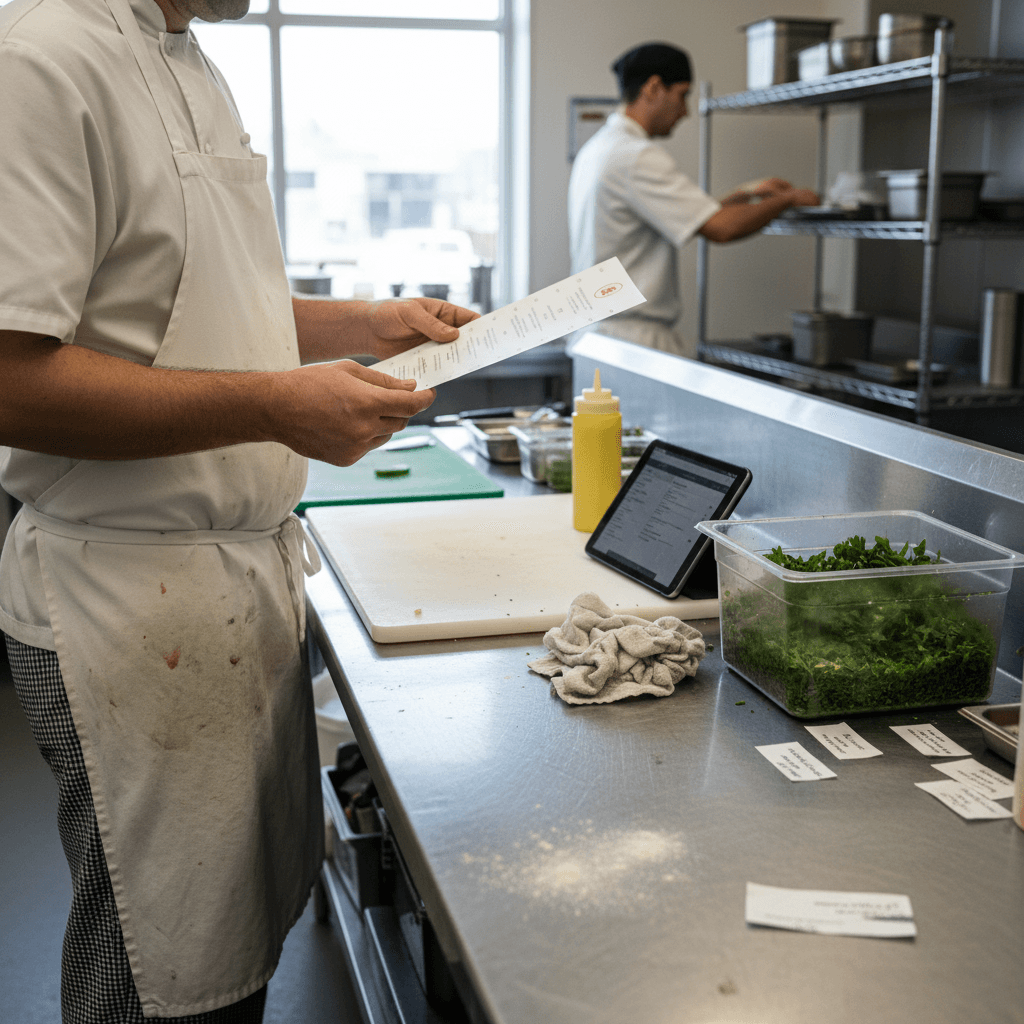
Forget the 50-Page Restaurant Business Plan. The printer is still warm when you realize your beautiful document has nothing to say about the six-top that just walked in without a reservation during your soft opening. Your market analysis section is perfect. Your mission statement inspires. But you have no plan for what happens when the ticket printer jams during Friday dinner rush and the expo starts yelling orders while servers crowd the pass.
Most restaurant owners write business plans that look impressive in boardrooms but collapse during Friday dinner rush. They include detailed market analysis but forget to calculate how many servers they need for peak hours. They have beautiful mission statements but no plan for when three cooks call out sick. The disconnect happens because traditional templates are designed for investors who've never worked a line.
The pain starts with translation. You wrote about "optimized labor allocation" but didn't schedule a dishwasher for the lunch-to-dinner transition. Your financial projections assumed 85% table turnover but didn't account for the fact that your dining room layout creates a server traffic jam at the POS station. This operational gap is where money disappears. For a complete system that translates planning into daily execution, see The Restaurant Opening Checklist That Actually Works. That guide builds the bridge between your numbers and what actually happens on the floor.
The One-Page Plan That Actually Works
Start with three numbers: your break-even covers per night, your target food cost percentage, and your labor budget for week one. These are your survival metrics. Hard truth: Your investors don't care about your mission statement; they care about your food cost percentage. Write your menu first - not as a creative exercise, but as a math problem. Calculate what each dish costs to plate versus what you can charge in your neighborhood. Then work backward to staffing: How many cooks do you need to execute that menu during rush? How many servers can handle those tables? This becomes your operational blueprint.
Break-even covers are not an abstract concept. They are the number of guests you must serve each night before you start making money. If your fixed costs are $2,000 per day and your average check is $40, you need 50 covers just to break even. That number tells you how many tables need to turn during each service period.
Food cost percentage is what you spend on ingredients divided by what you charge. A 30% food cost means a $20 dish costs $6 to plate. The Rule: Your menu must be built backward from this number. You don't start with a beautiful halibut dish and then figure out pricing. You start with "I can charge $28 in this neighborhood" and work backward to "What protein can I plate for $8.40?"
Your labor budget determines who shows up for work. If you budget 25% of sales for labor and project $5,000 in Friday sales, you have $1,250 to spend on staff that night. That math tells you whether you can afford five cooks or three, four servers or six.
When Paper Plans Meet Real People
The bottleneck happens when your perfect plan hits actual humans. You budgeted for five line cooks but only three showed up for training. Your food cost calculation assumed perfect portioning, but your new prep cook is heavy-handed with proteins. Your break-even number doesn't account for the plumbing emergency that shuts down your bathrooms during Saturday dinner. This is where most owners panic and abandon their plan entirely.
Your food cost percentage will be wrong on day one. The portion scale in your plan assumes perfect execution every time. In reality, your sauté cook will over-pour sauce. Your grill cook will cut steaks too thick. Your salad station will use extra dressing. These small variances add up to real money - often 3-5% over your target.
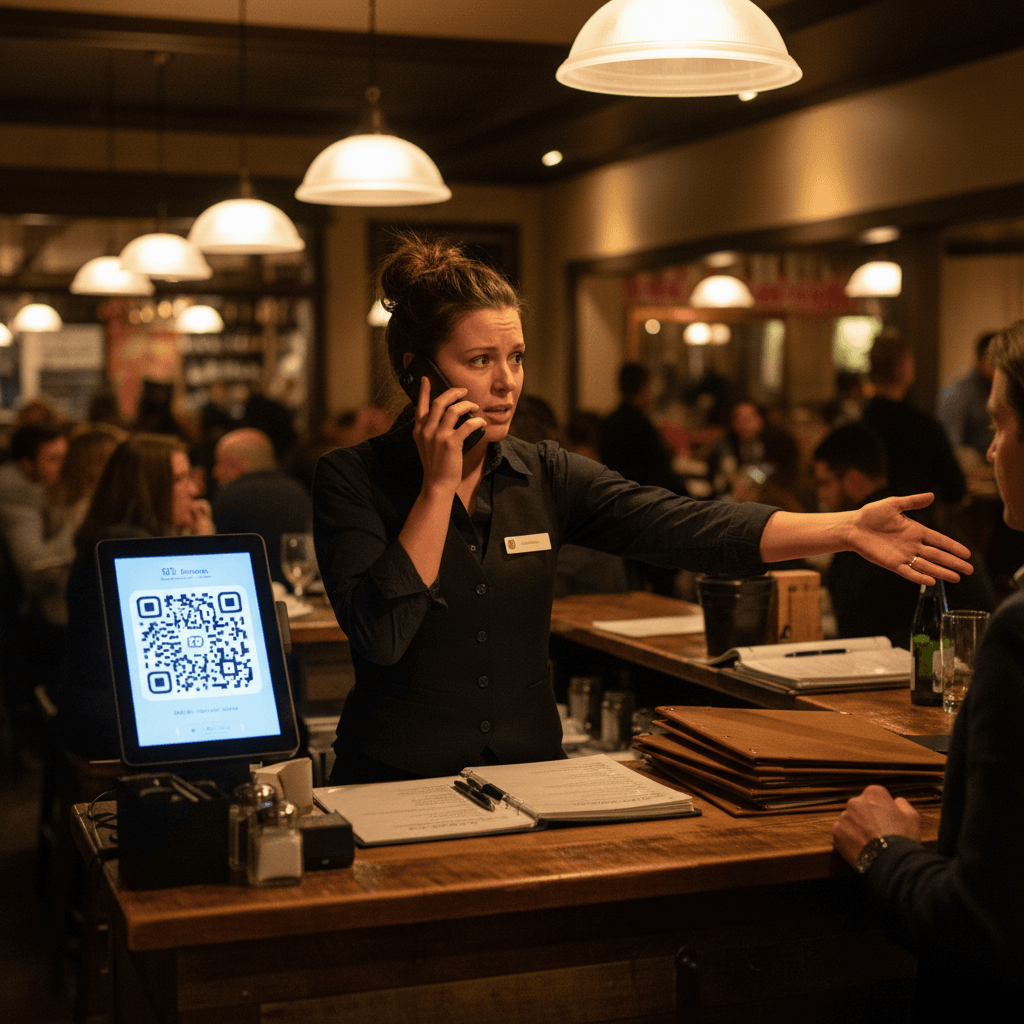
Your labor plan will face reality at 6:45 PM on Friday. You scheduled four servers based on projected covers, but two called out sick. Now two servers are handling 12 tables while the host keeps seating more guests because "the dining room looks empty." The stress builds, service slows, mistakes happen, and guests leave unhappy.
Equipment will fail at the worst possible moment. Your business plan didn't include "ice machine breakdown during happy hour" as a risk factor. But when it happens, you're scrambling to buy bagged ice while cocktails back up at the bar.
Building Your Opening Survival Kit
Your business plan isn't a document you file away after getting funding. It's your daily playbook for surviving those first critical months. Connect each section of your plan to something tangible on your opening checklist - from staff training schedules to inventory ordering systems. The numbers on paper only matter if they translate to actions on the floor.
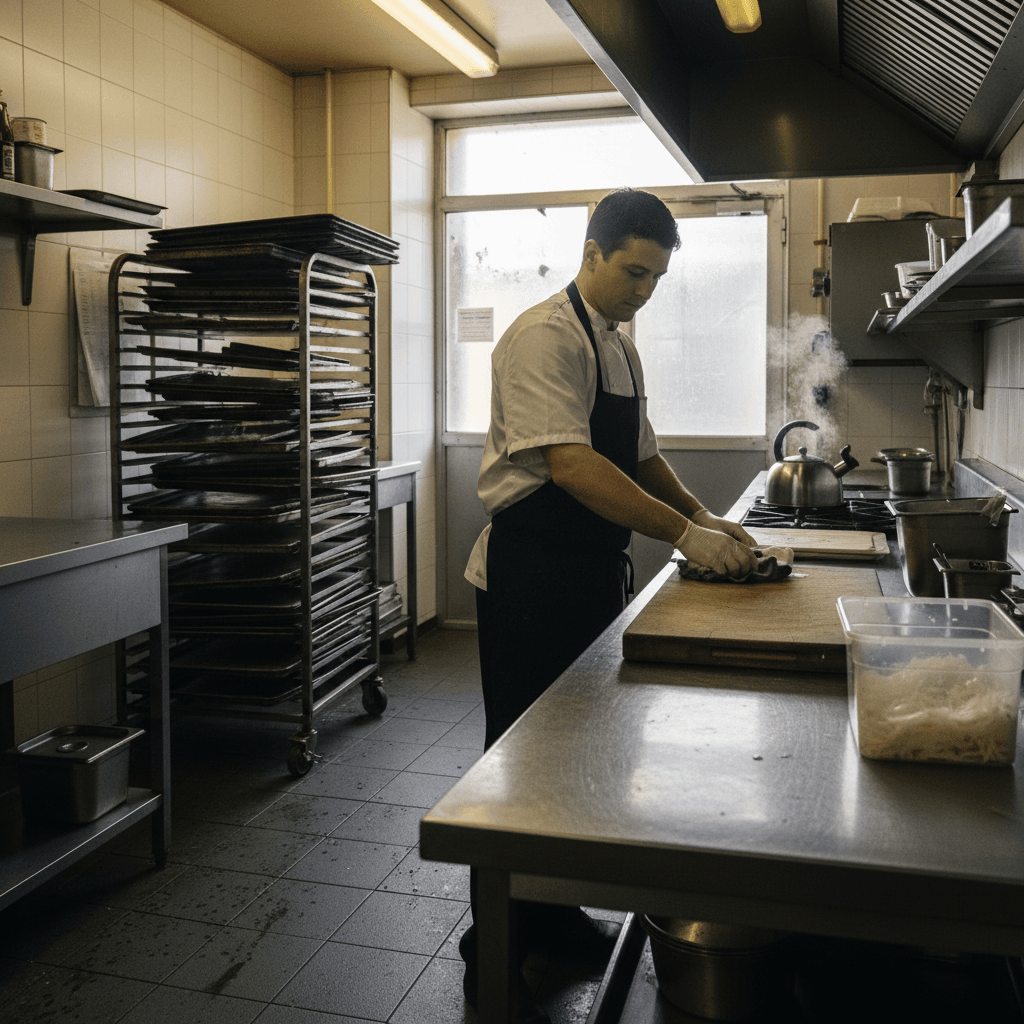
Take your target food cost percentage off the page and put it in the kitchen. Create portioning guides with photos next to every station. Weigh every protein during prep and show cooks what 6 ounces of salmon actually looks like on the scale. Do this every day for the first month until muscle memory takes over.
Turn your labor budget into a visual schedule posted in the office. Show exactly who works each shift and what that costs in real dollars next to projected sales for that period. When someone asks for an extra server on Tuesday lunch, point to the numbers and say "We're projected at $800 in sales today - we can't afford another $150 in labor."
Make your break-even covers visible to everyone who can affect them. Post yesterday's covers at the host stand today. Show servers how many tables need to turn during their shift to hit the number. When the host sees you're at 45 covers at 8 PM and need 50 to break even, they'll work harder to fill those last few tables.
The manual work of tracking these numbers creates discipline, but it also consumes time better spent managing people and service quality.
Modern restaurant technology exists to handle this tracking automatically - digital inventory systems that calculate food cost in real time, scheduling platforms that enforce labor budgets before shifts are published, and reporting tools that show break-even progress throughout service without manual calculation.
Taking the Next Step
This approach replaces theoretical planning with operational certainty. The logic is clear: build from three essential numbers, translate them into daily actions, and maintain visibility where it matters most.
If tracking survival metrics manually feels like adding another task to an already full plate, view our pricing for tools that automate this foundation or start a free trial to see how digital systems handle the math while you focus on service execution next shift