Fine Dining Service Rules That Actually Work
Forget stiff formality. Real fine dining service is about flawless execution, not just white gloves. Learn the rules that keep tables turning smoothly.
When Your Best Server Makes the Worst Mistake
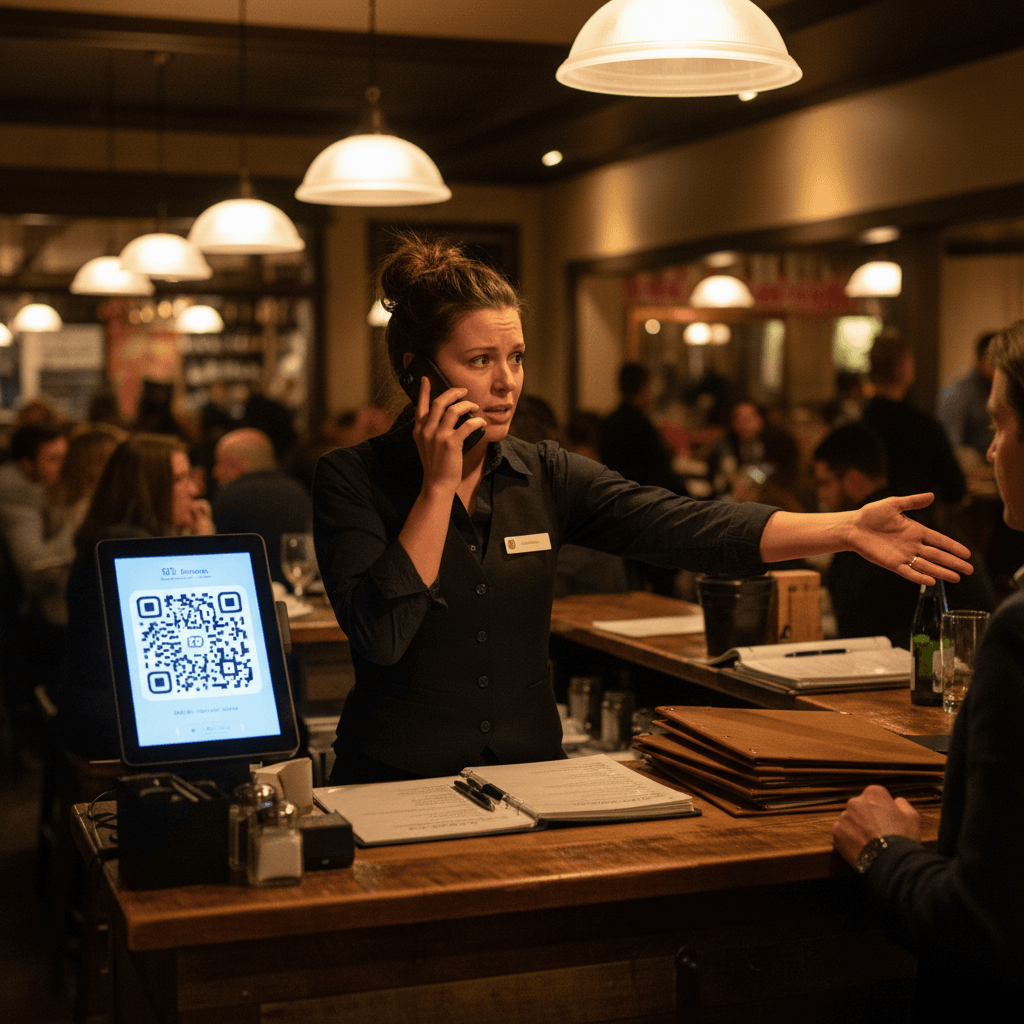
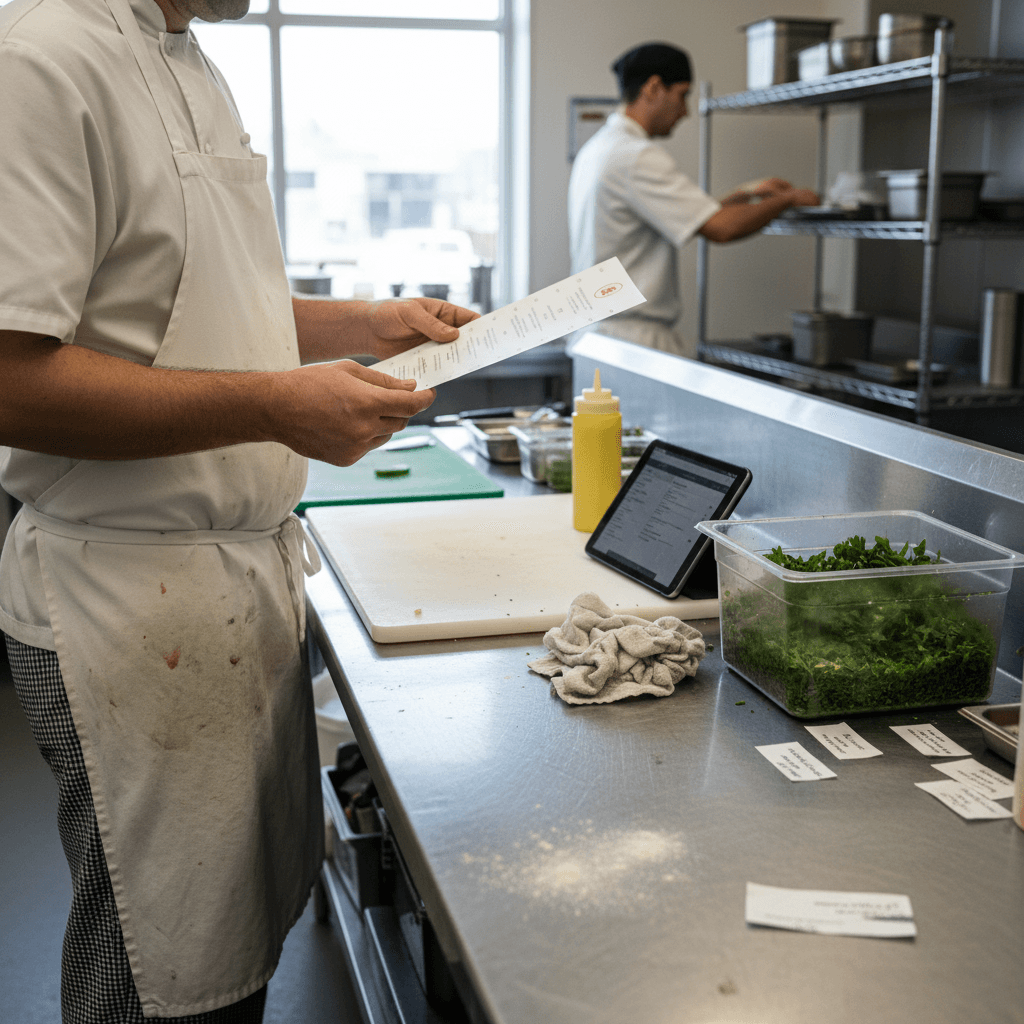
Fine dining service rules break down at 8:47 PM on a Saturday. Your most experienced server just promised the halibut special to table six. The kitchen 86'd it twenty minutes ago. Now you're comping drinks, the chef is furious, and a VIP guest leaves disappointed. This happens because traditional training focuses on memory, not systems. You teach people to remember everything instead of building habits that prevent mistakes.
That moment reveals the fundamental flaw in elegant service. You're asking human brains to function as perfect databases during a dinner rush. They cannot. The veteran server who forgot the 86'd special wasn't careless - they were overloaded with information that should have been automated.
Hard Truth: Your beautiful printed menus are working against you. Every time you reprint because the fish special sold out or the wine list changed, you're training your staff to ignore menu accuracy. They learn that what's printed might be wrong, so they stop trusting it as their primary reference. This creates a dangerous gap between what guests see and what servers know.
You know the problem. Here's why your current fix fails.
The Silent Language of Service
Fine dining isn't about robotic formality - it's about creating invisible systems that anticipate needs before guests ask. The server who refills water without interrupting conversation. The busser who clears plates in perfect rhythm with the meal's pace. The kitchen that times courses so the main arrives just as appetizer plates disappear.
These moments feel magical to guests because they happen without visible effort. But they're not magic - they're the result of specific, repeatable systems built around observation and timing.
Contrarian Opinion: Stop obsessing over 'steps of service' checklists. They create mechanical servers who follow scripts instead of reading tables. A four-top celebrating an anniversary needs different timing than two business executives closing a deal. Train your team to watch for cues, not just complete tasks.
The Rule: If you touch a plate twice, you have lost money on that table. Every time a server returns to clear plates that could have been taken on the first pass, you waste labor seconds that add up to hours over a week. Teach bussers to watch for the universal signal - utensils placed together at four o'clock position means "I'm finished."
That's the trap of rigid checklists. This is how you escape it.
Building Muscle Memory for Your Floor
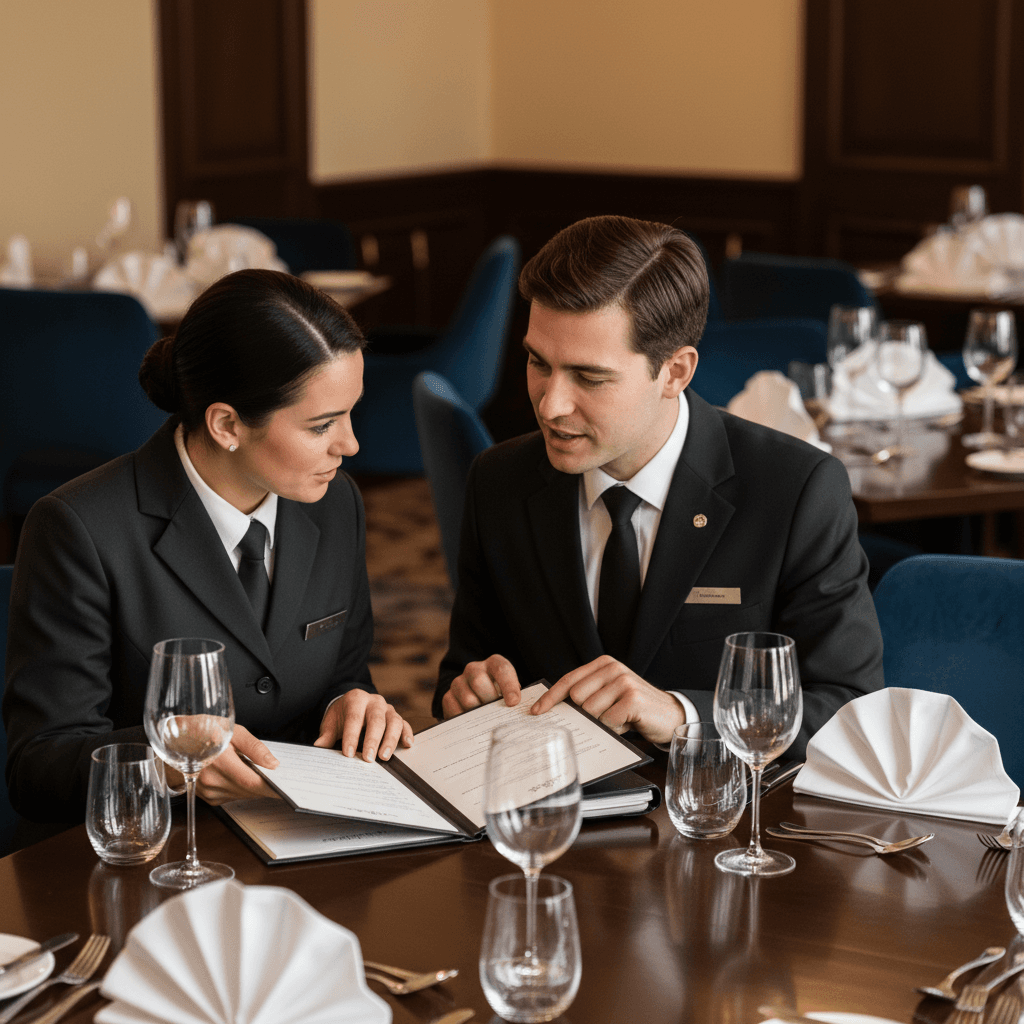
Start every shift with a five-minute huddle that covers three things: what's 86'd, which VIPs are booked, and one service focus for the night (like wine pairing suggestions or dessert timing). This replaces lengthy meetings with actionable information servers actually use during service.
Create visual systems anyone can follow. Color-coded allergy alerts on tickets - red for shellfish, green for nuts, blue for gluten. Clear section maps showing table numbers and server assignments posted where everyone can see them. A simple 'runner needed' hand signal - two fingers tapped on the shoulder - that doesn't disrupt dining room atmosphere.
The Rule: Every piece of information must be accessible in three seconds or less. If a server needs to find a manager to ask about a wine pairing, or search through notes for allergy information, your system has failed. Information should flow to staff before they need it.
Build these systems around actual service moments. During Friday dinner rush at 7:30 PM, servers need instant access to 86'd items without asking the kitchen expo who's calling three orders at once. On Saturday lunch with large parties, hosts need clear section assignments so they don't double-seat servers during critical moments.
You've identified the friction points. Now eliminate them systematically.
The 15-Minute Reset That Saves Your Night
Between seatings, have your team complete a rapid reset drill: check water glasses at every table, refill bread baskets, polish any smudged silverware, and verify all menus are clean and current. This takes fifteen minutes but prevents dozens of small service failures during the next rush.
Teach servers to 'read backward' from dessert. If a table has an 8 PM theater reservation, work backward from when they need to leave to determine when their main course should fire. They need to be out by 7:45 PM for an 8 PM curtain call. Dessert takes ten minutes, coffee takes five, main course takes twenty-five minutes to eat comfortably. That means fire mains at 6:45 PM if they order appetizers first.
This simple mental shift prevents rushed meals and unhappy guests who feel hurried through their expensive dinner.
The Rule: Never ask "Are you still working on that?" when clearing plates. Instead, watch for natural pauses in conversation and approach then. Say "May I clear these for you?" while making eye contact with one guest at the table. This respects their experience while maintaining pace.
Apply this timing logic throughout service. A two-top ordering cocktails before dinner needs five minutes alone with drinks before you approach about appetizers. A business lunch needs faster course turnover but longer gaps between ordering decisions.
That's how you build rhythm without rushing guests.
When Elegance Meets Efficiency
The best fine dining restaurants make expensive service feel effortless because they've eliminated friction points guests never see. The expediter who calls three courses at once so runners make fewer trips between kitchen and dining room saves forty-five seconds per table over the course of a meal.
The wine steward who pre-pours tasting samples before approaching the table eliminates the awkward pause while guests watch wine being poured from across the room.
The host who notes dietary restrictions in the reservation system so servers already know before greeting the table prevents that moment where someone with a shellfish allergy has to explain it while everyone else is excited about ordering lobster.
These systems work because they're built around specific operational moments rather than abstract principles.
Your next step isn't more training manuals - it's identifying one friction point this week and building a simple system around it. Start with menu accuracy during Friday dinner service by implementing real-time digital updates that servers can access instantly on their devices.
Changes apply immediately when you update digitally - sold-out items disappear from view instantly without reprinting costs or confusion between what's printed and what's available.
Then add wine timing next week by having sommeliers prep tasting pours before approaching tables during peak hours between 7-9 PM when every second counts.
Then course pacing the following week by teaching expediters to call multiple courses together based on table progress rather than individual dish readiness.
Build your fine dining service rules one solved problem at a time until elegance and efficiency become indistinguishable to your guests.
Taking the Next Step
The shift from memory-based service to system-based operations is inevitable in modern fine dining. Your team cannot remember everything perfectly during peak hours - but well-designed systems never forget.
Stop wasting time on printed menus that become outdated within hours of service starting. Implement real-time digital updates that ensure every server and every guest sees exactly what's available right now without confusion or apologies for sold-out items.
View our pricing for transparent costs based on your restaurant size and volume needs, then start a free trial to experience how instant menu updates transform your Friday dinner service from chaotic to controlled within one shift cycle