Why Customers Don't Come Back
Forget points programs. Real customer loyalty happens on your floor during Friday dinner rush. Here's what actually works.
When Regulars Become Strangers
Getting customers to return starts with noticing when they stop. The server looks at the reservation book on a Tuesday night and sees the empty slot where the 7:30 four-top used to be every week. The bartender pours a martini and realizes the regular who always sits at the end stool hasn't been in for three weeks. The host scans the dining room and notices fewer familiar faces than last month. This is not a marketing problem. This is an operations problem that happens one table at a time.
The silent cost of lost regulars is measured in empty seats during shoulder periods. A regular who comes every Tuesday night with two friends represents $150 in sales that you can count on. When they disappear, you don't just lose that $150. You lose the predictability that lets you schedule one less server, order three fewer steaks, and run a tighter kitchen. Their absence creates a hole in your week that you must fill with marketing dollars or hope.
What servers notice first when loyalty fades is the shift in conversation. Regulars stop asking about your weekend. They don't mention their daughter's soccer game anymore. The small talk becomes generic - "How are you?" instead of "Did you finish that home renovation?" Servers feel this change before managers see it on reports. The relationship has cooled from friendship back to transaction.
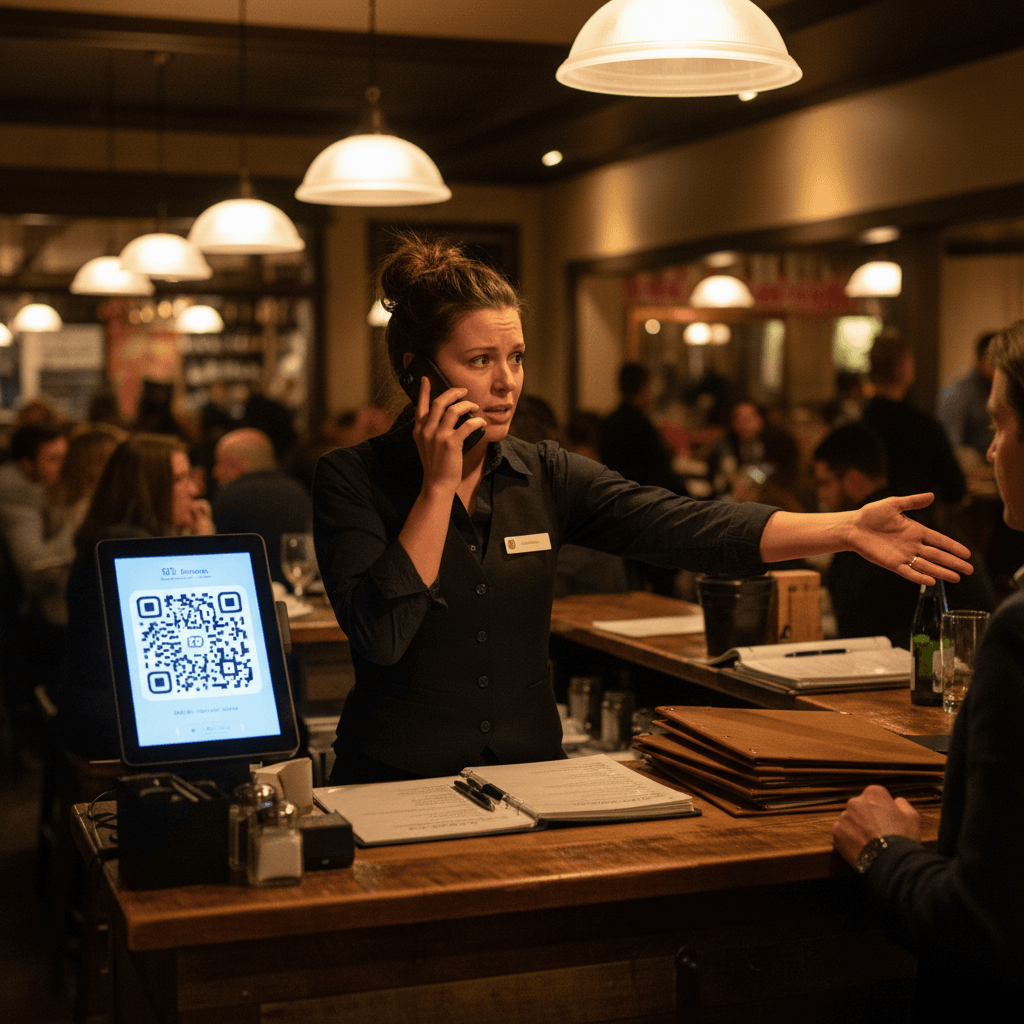
The three shifts where relationships break are predictable. First, the busy Friday night when service stumbles and no one has time for connection. Second, the quiet Tuesday when a regular comes in expecting recognition but gets treated like any other guest. Third, the Sunday brunch where mistakes happen because you're short-staffed, and no one follows up properly. These are the moments when loyalty evaporates.
Why Your Loyalty Program Is Failing
You know regulars are slipping away. Your current fix - a points program or discount card - is making things worse.
Why points systems attract bargain hunters is simple mathematics. People who chase points calculate value differently. They order the cheapest item that earns them points, not what they actually want. They come during happy hour only, avoiding your prime dinner hours. They redeem their points for free meals during your slowest periods. You're training customers to optimize against your profitability.
How discounts cheapen your food's value happens at the moment of payment. A guest pays $24 for a steak, then sees another table get the same steak for $18 with their loyalty card. Their brain registers: "This food is worth $18, not $24." The next time they consider coming, they'll wait for a discount or go somewhere that doesn't make them feel like they overpaid.
Contrarian truth: Your best customers don't want free stuff. They want to feel known. The couple celebrating their anniversary doesn't want 10% off their bill - they want you to remember it's their anniversary and bring champagne without being asked. The business traveler who eats alone three nights a week doesn't want points - he wants you to remember he likes his martini with two olives and his steak medium-rare without him saying it.
What actually makes someone drive across town is memory, not mathematics. They'll pass five similar restaurants because at yours, the host greets them by name. The server remembers they like extra bread with their soup. The bartender knows their drink before they sit down. This feeling of belonging cannot be bought with points or discounts.
Building Memory, Not Points
That's the trap of transactional loyalty programs. This is how you escape it.
Training servers to remember three things about every guest starts with structure, not magic. Before taking an order, every server must learn and recall three personal details: name (or what they want to be called), occasion (if any), and one preference (drink, seating, menu item). This takes 30 seconds of focused attention during the initial greeting.
The power of 'you' instead of 'sir/madam' changes everything about service dynamics. When a server says "Mr. Johnson" instead of "sir," it signals recognition. When they say "Your usual table is ready" instead of "Your table is ready," it tells the guest they belong here. This small language shift costs nothing but requires everyone on staff to pay attention.
How bartenders create regulars without discounts follows a simple pattern: see someone twice, remember their drink on the third visit. The first time, ask what they'd like. The second time, confirm: "The same as last time?" The third time, have it ready or say "Your usual?" when they approach. This three-visit rhythm builds anticipation better than any punch card.
Turning first-timers into second-timers before they leave requires one specific action: the manager's goodbye. Before guests pay their bill, a manager must visit the table and say: "It was great having you tonight. We'd love to see you again soon." Then write something personal on the receipt copy - "Hope your daughter enjoys college!" or "Good luck with the marathon training!" This creates an emotional bookmark that brings them back.
The Friday Night Test
You've built memory systems into your service flow. Now test them during real pressure.
What to say when you recognize a face works best when specific and brief during rush hour: "Welcome back! Good to see you again." Not "Have you been here before?" which forces them to do the work of remembering. During Friday dinner service, this takes two seconds but tells the guest they're not anonymous in your busy restaurant.
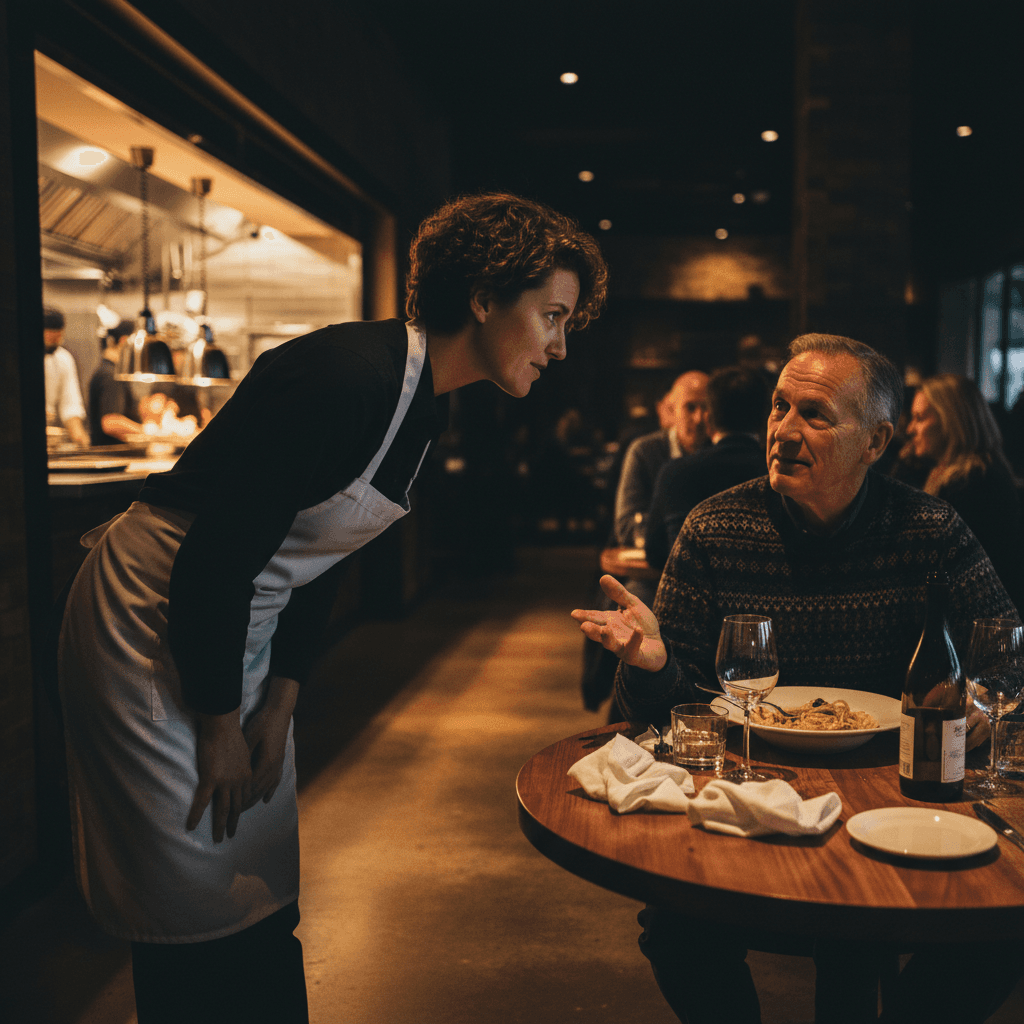
The two-minute manager table touch that works follows this sequence: 1) Introduce yourself by name and role, 2) Ask one specific question about their experience so far ("How's everything tasting?"), 3) Listen genuinely for 30 seconds, 4) Thank them by name if you have it or by occasion ("Enjoy celebrating your promotion!"). Do this between appetizers and entrees when timing feels natural.
Handling mistakes so people come back anyway requires immediate ownership without excuses. When something goes wrong - wrong temperature, long wait, missed order - say this exact phrase: "I'm sorry we missed that mark tonight." Then fix it immediately and follow up with something small but meaningful: comped dessert, drink on your next visit card, or sincere note from kitchen staff. People forgive mistakes when handled with dignity.
Simple systems that don't require spreadsheets live in your reservation notes and server check-ins. Use your POS notes field for preferences: "Likes booth near window" or "Allergic to shellfish." Have servers share one memorable detail about each table during shift change: "Table 42 is here for anniversary" or "Table 15 mentioned moving here from Chicago." This information costs nothing to collect but builds immense value.
Starting Tomorrow's Service
The logic is clear now. Here's how to make it happen on your next shift.
Three things to tell your team at pre-shift should be concrete actions, not philosophy: 1) Learn and use one guest name per table tonight 2) Share one table detail with the next server during shift change 3) Every mistake gets followed up with a personal touch
How to track what matters without counting points uses observational metrics instead of transactional data:
- Count how many times servers use guest names during service
- Track how many reservations have personal notes in the system
- Measure how often managers make genuine table touches (not just checking food)
When to know your system is working shows up in predictable patterns: Regulars start requesting specific servers by name. New guests mention they were recommended by friends who "love this place." Servers fight over who gets to work Tuesday nights because they enjoy their regulars. Your quiet nights fill with familiar faces instead of empty tables.
Taking the Next Step
The shift from transactional programs to relational hospitality isn't optional anymore - it's how restaurants survive in an age where every meal is available through an app but true connection isn't.
Getting customers to return happens through consistent execution of simple human touches, not complex loyalty algorithms that track points but forget people.
Start building real relationships tomorrow by viewing our pricing for tools that help your team remember what matters most about each guest, then start a free trial to implement these memory systems during your next service period without disrupting your current operations