Creating a New Restaurant Concept That Works
Move beyond just food to build a complete operational system. Learn how to create concepts that survive opening night and thrive for years.
The Overwhelming Blank Page: When Ideas Outnumber Customers
Creating a new restaurant concept begins with a blank page that feels infinite. You stand in an empty space with a tape measure, imagining every possibility at once. The menu could be anything. The service style could be anything. The decor could be anything. This freedom is the first trap.
The problem isn't lack of ideas. It's having too many. Every decision - from menu items to plateware - feels monumental when you're building from zero. You research for months, collecting inspiration from successful restaurants in other cities. You create mood boards and sample menus that look perfect on paper. Then reality arrives with your first food order and a line cook who calls in sick.
Most concepts fail before they serve their first guest because they're designed for a fantasy restaurant. They're built for ideal conditions that never exist: perfect staff availability, unlimited storage, and customers who behave exactly as predicted. The real restaurant has three feet less counter space than planned, a dishwasher who shows up late, and a delivery of wilted greens.
The Rule: Your concept must survive Tuesday at 3 PM when you're alone prepping for dinner service. If it can't function under those conditions, it's already broken.
Why Your Favorite Restaurant Can't Be Copied
You know the temptation. You visit a brilliant restaurant in another city and think, "I could do this here." The hard truth: copying successful concepts guarantees failure. What works in one neighborhood with specific staff and local suppliers won't translate to your space.
That restaurant you love has invisible systems you can't see from the dining room. Their success comes from years of refining workflows with their particular team. Their menu works because their chef has relationships with farmers who deliver specific products on specific days. Their service style fits the exact dimensions of their dining room and the personality of their neighborhood regulars.
Imported ideas collapse under real-world pressures like your kitchen layout, available labor pool, and local ingredient access. Your favorite spot might rely on a wood-fired oven that takes up twenty square feet. Your kitchen has twelve square feet available. Their signature dish uses heirloom tomatoes from a farm forty minutes away. Your closest farm grows different varieties that ripen two weeks later.
The Rule: Never copy the surface. Study the systems underneath. Look at how they manage waste during prep, how they communicate between front and back of house during rush, how they train new servers on day one.
Build Around Your Kitchen's Reality, Not Your Dream Menu
That's the trap of imported concepts. This is how you escape it: Start with operations, not food.
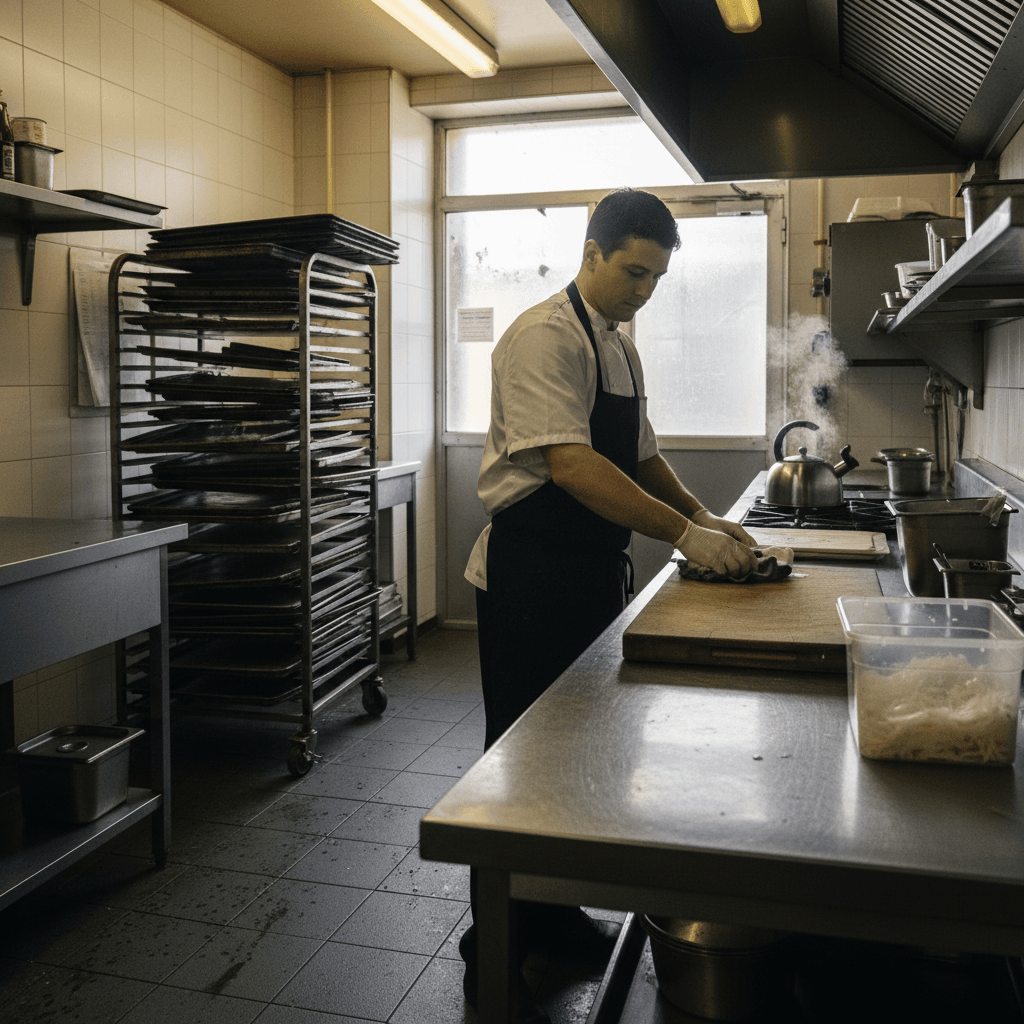
Your concept must fit your actual kitchen equipment, storage space, and staff skill level - not the Instagram-worthy dishes you imagine. Walk through your empty space with a chef who has opened restaurants before. Have them point out where the real problems will appear: where trash will accumulate during service, where servers will bottleneck picking up drinks, where line cooks will burn themselves reaching across hot surfaces.
Design menus that work with your physical constraints rather than against them. If you have limited refrigeration, don't build a concept around fresh seafood that needs constant ice changes. If your kitchen has poor ventilation, don't center your menu on high-heat wok cooking that fills the dining room with smoke. If your staff has experience with Italian techniques, don't force them to learn French sauces from scratch.
Contribution margin is what's left after food cost. A $16 steak that costs $5 to plate has an $11 contribution margin to cover everything else - labor, rent, utilities. Calculate this for every dish using prices from your actual suppliers, not theoretical numbers from a cookbook.
The Rule: Your menu should have no more than three items that require special equipment or rare ingredients. Everything else must work with what you have and who you can hire.
The Daily Drill: Turning Concepts Into Systems
You've designed around reality instead of fantasy. Now pressure-test every assumption before you build walls.
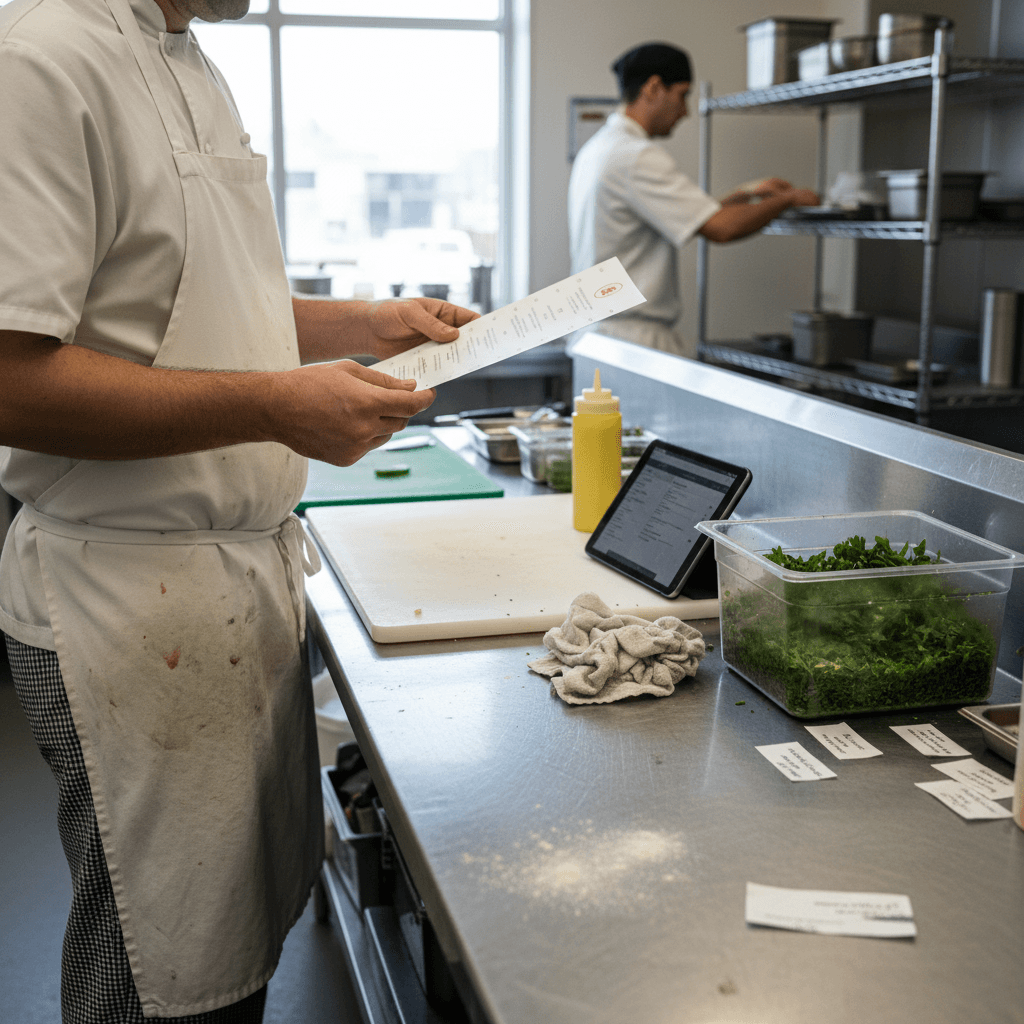
Test ideas during mock services in whatever space you have available. Rent a commercial kitchen for a day or use a friend's restaurant during their off-hours. Cook your entire menu start to finish with the equipment you plan to buy. Time everything: how long does it take to prep each component? How many portions can one cook produce per hour? Where does the workflow break down?
Calculate real food costs with actual suppliers, not estimates from distributors' websites. Call local farms and ask for their availability calendars. Visit fish markets at 5 AM to see what's actually fresh and affordable. Build relationships with butchers who can tell you what cuts will be consistently available versus seasonal specialties.
Prime cost is food cost plus labor cost - the two biggest expenses in any restaurant. A healthy prime cost runs between 55% and 65% of total sales. If your test menu shows prime cost at 70%, you need to simplify operations or adjust pricing before opening.
Create daily workflows for validating every aspect of your concept:
- Test prep times by having one cook prepare everything for twenty covers
- Test service flow by having two servers run food to imaginary tables
- Test communication by having expo call three orders at once while cooks ask questions
- Test cleanup by timing how long it takes to break down and sanitize every station
The Rule: Any dish that takes more than twelve minutes from order to plate during testing gets simplified or removed. Speed isn't about rushing - it's about eliminating unnecessary steps that create bottlenecks during rush.
From Paper Plans to Opening Night
Your concept has survived testing in real conditions. Now transition from development to execution without losing what makes it work.
Hire your first team based on operational needs, not resumes. Look for cooks who understand mise en place organization over chefs with fancy credentials. Look for servers who can carry three plates comfortably over those with extensive wine knowledge. Wine knowledge can be taught later - physical efficiency during Friday dinner rush cannot.
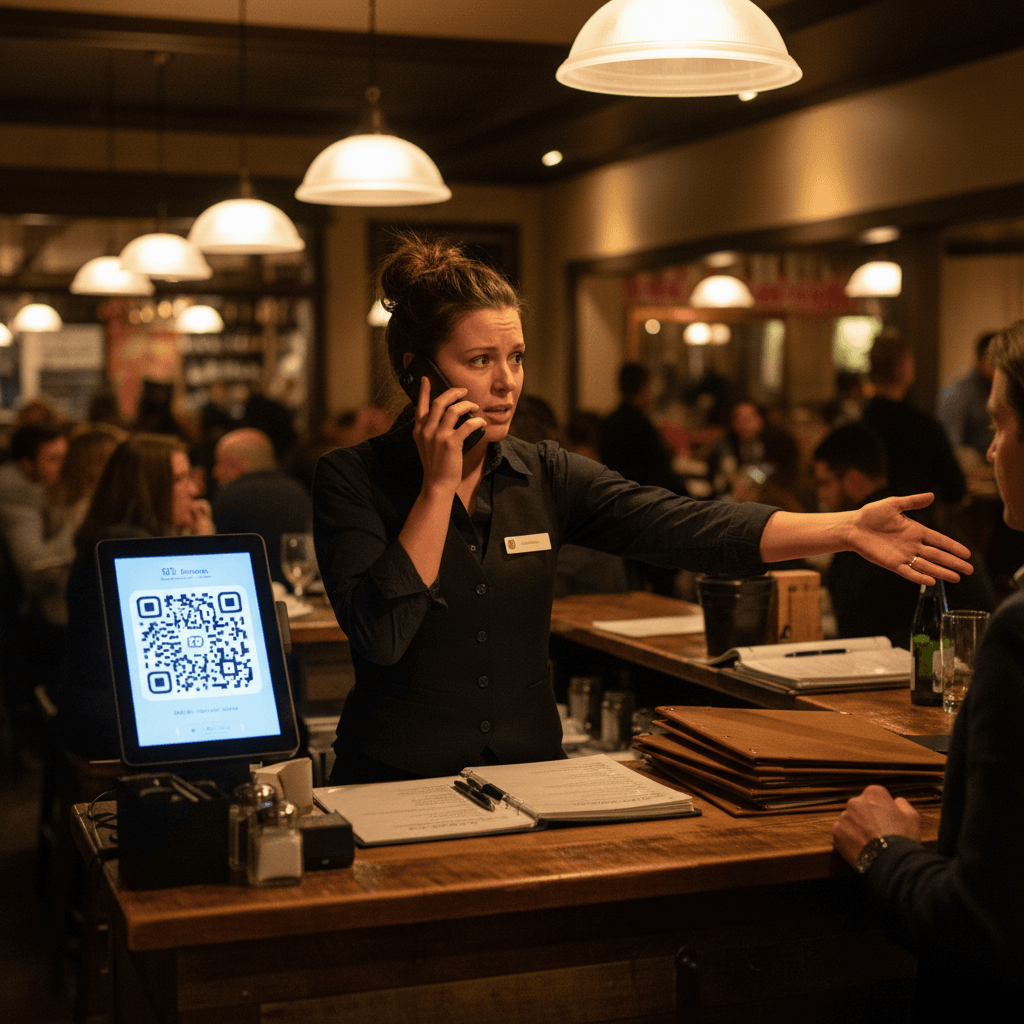
Train for your specific service style using the exact systems you tested during mock services. Don't teach generic "fine dining service" if you're running a casual counter-service concept with digital ordering tablets. Create training materials that match your actual floor plan: "Stand here to take orders without blocking the pickup window." "Check tickets here before running food to table seven."
Set up systems that will survive the chaos of opening week:
- Create a par sheet for every station showing exactly what should be prepped before service
- Design ticket routing so cooks see orders in the sequence they should be cooked
- Establish communication protocols for when things go wrong (they will)
- Build redundancy into every critical system (have backup printers, backup payment processors)
The opening week checklist:
- Confirm all equipment works under full load (run every burner and oven simultaneously)
- Stock backup supplies of everything that could run out (to-go containers, receipt paper)
- Schedule extra labor for breakdown and cleanup (the first week always runs long)
- Prepare simple family meals for staff (they'll be too tired to cook for themselves)
- Set realistic sales targets (aim for 50% capacity week one, 75% week two)
The Rule: During opening week, managers work expo station every night. This is where you'll see what's actually happening with food timing, communication breakdowns, and customer feedback in real time.
Taking the Next Step
Creating a new restaurant concept that works requires shifting from dreaming about possibilities to testing against realities. The operational shift isn't optional - it's what separates concepts that survive their first year from those that become cautionary tales.
Your next step is moving from planning to action with systems that match your actual space and staff.
Stop designing in theory and start testing in practice - start a free trial today to build workflows around your kitchen's real constraints rather than imagined ideals. When you're ready to implement fully, view our pricing for plans designed around restaurant openings rather than generic business templates