Restaurant Inventory Control That Actually Works
Stop guessing what's in your walk-in. A practical guide to inventory systems that save time, cut waste, and protect your bottom line.
When Your Numbers Never Add Up
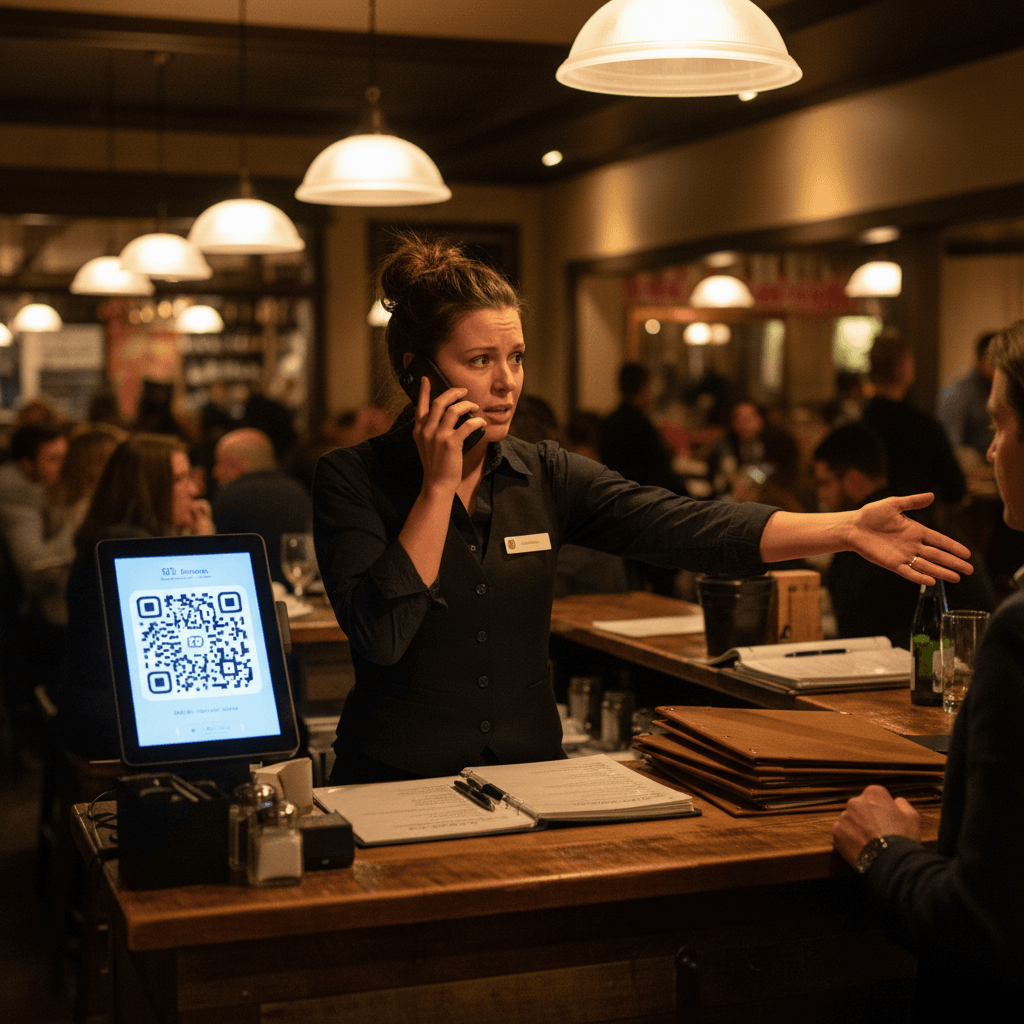
Learning how to do restaurant inventory starts when the printer stops. It's Friday night, 7:45 PM. The expo calls three steak orders in a row. The grill cook opens the lowboy and finds two ribeyes left. He tells the manager, who tells the server, who tells the table of six celebrating a birthday. The server offers the salmon instead. The table is disappointed. The kitchen is scrambling. The manager is on the phone with a supplier who closed an hour ago. This is not a food cost problem. This is an operations breakdown that costs you real money every single shift.
The real cost is hidden in plain sight. It's the twenty minutes your morning prep cook spends recounting tomatoes because last night's count was wrong. It's the emergency run to the cash-and-carry during lunch prep, pulling a line cook off station for 45 minutes. It's the menu item you 86 for the weekend because you didn't order enough on Thursday. Each of these moments drains labor hours, stresses your team, and disappoints customers. Your inventory system is not a back-office accounting task. It is the heartbeat of your daily service. When it fails, everything feels harder.
Broken inventory shows up in three specific places on your floor. First, at the server station: "I'm sorry, we're out of the scallops." Second, at the line: cooks making ingredient substitutions mid-rush because the prep list was wrong. Third, in the office: managers placing panicked last-minute orders at premium prices. These are not separate issues. They are symptoms of the same disease - a system that tells you what you should have, not what you actually have when tickets are firing.
The Spreadsheet Trap
You know the problem. Here's why your current fix fails.
Manual tracking systems collapse under volume. A spreadsheet that works for a quiet Tuesday lunch cannot handle a slammed Saturday dinner service. The math is simple: more transactions create more opportunities for error. A server forgets to ring in a modifier. A cook grabs an extra portion from the walk-in without telling anyone. A delivery arrives with shorted cases. Your weekly count becomes a historical document of what went wrong, not a tool to prevent it from happening again.
The industry standard creates blind spots. Counting everything on a quiet Sunday night misses the entire weekend cycle. You see what's left after Sunday service, but you have no visibility into what disappeared between Friday happy hour and Saturday dinner rush. This is when most waste happens and when theft is easiest to hide. Your count tells you you're missing $200 worth of shrimp. It cannot tell you if those shrimp were over-portioned on Friday night, thrown out on Saturday morning, or walked out the back door on Saturday night.
Hard Truth: Your weekly inventory count might be creating more problems than it solves if you're counting the wrong things at the wrong times. You are measuring leftovers, not usage patterns. You are reacting to shortages, not preventing them. The goal is not a perfect count for accounting purposes. The goal is having the right product in the right place at the right time to run service smoothly.
Counting What Actually Matters
That's the trap. This is how you escape it.
Shift your focus from tracking everything to tracking what moves first. You do not need to count every single item every single time you open the door. This mindset change saves hours of labor each week and delivers 80% of the benefit with 20% of the work.
Contrarian Opinion: Your coffee filters do not need a weekly count. Your $28 per pound dry-aged ribeye does.
The Rule: Count high-cost proteins first, high-theft liquor second, and high-waste produce third.
Start with your top five food costs by dollar value. In most restaurants, this list includes steak, seafood, premium cheese, and specialty oils. These items represent your largest financial risk if they walk out the door or spoil in storage. Count them daily or after every major service period.
Move to your bar. Focus on top-shelf liquor and high-margin wines by the glass. These are theft targets because they are small, valuable, and easy to conceal. Counting well vodka is less important than counting your single-malt Scotch.
Finally, address your produce waste zone. Identify which vegetables and fruits spoil fastest in your specific operation - maybe it's fresh herbs, maybe it's ripe avocados, maybe it's leaf lettuce for salads. These items need tight rotation and frequent checking, not just a weekly tally.
A $28 steak filet matters more than counting every individual coffee filter because losing one steak costs you more than losing an entire box of filters. Your time is limited. Allocate it where it protects your greatest financial exposure.
The Daily Rhythm That Works
You've identified what matters most. Now build a system that tracks it without slowing down service.
Practical steps differ by restaurant size because labor resources differ.
For small operations with one or two managers: Use the open-closer handoff system. The closing manager counts critical items at night - prime proteins, top liquor, tomorrow's prep needs. They write these counts on a whiteboard in the kitchen or in a shared digital note. The opening manager checks these counts against what they actually find during morning prep. Any discrepancy gets investigated immediately, while memories from last night are fresh. This creates a closed loop of accountability between shifts without requiring extra labor hours.
For larger kitchens with station leads: Use the zone responsibility method. Each station lead - grill, sauté, pantry, bar - manages their own pars for their own area. The grill cook counts their own steaks and chicken at open and close. The bartender counts their own well and top-shelf bottles. The manager spot-checks one zone each day for accuracy. This distributes the work and makes each team member accountable for their own supplies.
Specific tools that work on the floor require zero technology investment. Use colored tape for dating everything that goes into storage. Monday gets blue tape with that day's date written on it. Tuesday gets green tape. Anyone can look at a container and know instantly if it's past its usable life without reading tiny print. Place visible par level markers directly on storage shelves. A simple line drawn with permanent marker shows where the backup case of romaine should start. When product drops below that line, it triggers an order without anyone needing to consult a clipboard. Create simple checklists that servers can complete during side work downtime. "Check ketchup bottles at all tables - refill if below half." "Count lemon wedges in backup container - prep more if low." This turns idle minutes into productive inventory maintenance.
From Chaos to Control
Implementing this change feels daunting during busy service periods. Start small to build momentum without disrupting operations.
Pick one problem area for a two-week pilot program. Choose bar liquor if your pour costs are high. Choose steak inventory if your protein costs are volatile. Choose fresh herbs if your produce waste percentage stings. Focus all your training and attention on making this one system flawless before expanding anywhere else.
Train using actual shift examples from your own restaurant. Say "This is how we count ribeyes after Saturday night service" instead of explaining abstract inventory theory. Show them where the clipboard hangs by the walk-in door. Show them how to write the count so everyone can read it. Show them what to do when numbers don't match - who to tell immediately.
Build accountability through visibility that motivates rather than punishes. Post waste percentages by category where staff can see them - near the time clock or in the break area. Not dollar amounts - percentages make sense across different menu items and price points. "Produce Waste This Week: 8%" creates a measurable goal everyone understands. When that number drops to 6%, celebrate it publicly during pre-shift meeting. Connect their daily counting work directly to improving that number week over week.
The Rule: If you cannot explain an inventory procedure in thirty seconds during pre-shift meeting, it is too complicated for daily use.
Your goal is not perfect accuracy forever. Your goal is consistent improvement week over week until shortages become rare events instead of nightly crises. When servers stop telling customers "we're out," when cooks stop making substitutions mid-rush, when managers stop making emergency supplier calls - that's how you know your system works.
Taking the Next Step
Inventory control transforms from a weekly chore into a daily rhythm that prevents problems before they reach your guests' tables.
The operational shift from reactive counting to proactive management is inevitable once you see how much smoother service runs with reliable product levels.
Stop guessing what's in your walk-in and start knowing with certainty what you need for tonight's rush by starting a free trial today - test our counting tools during your next busy weekend service period first-hand before committing further by viewing our pricing options designed specifically for restaurant volume cycles rather than generic business models